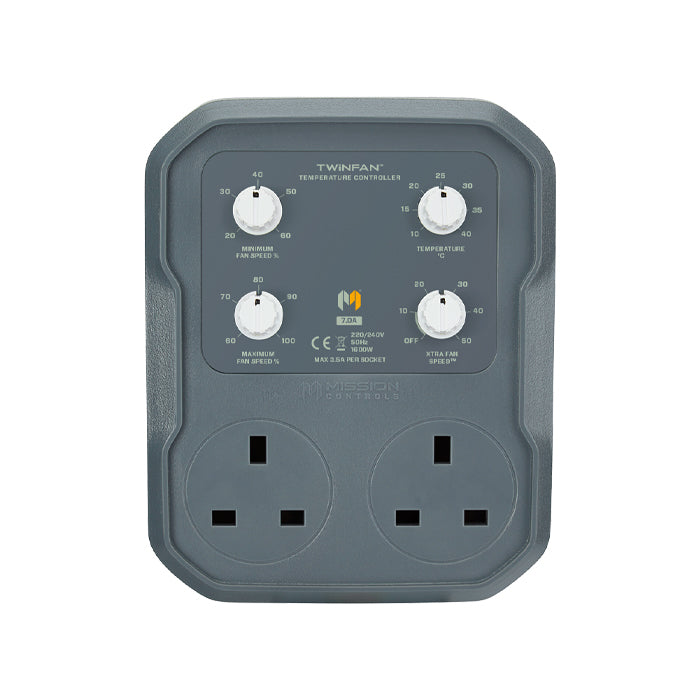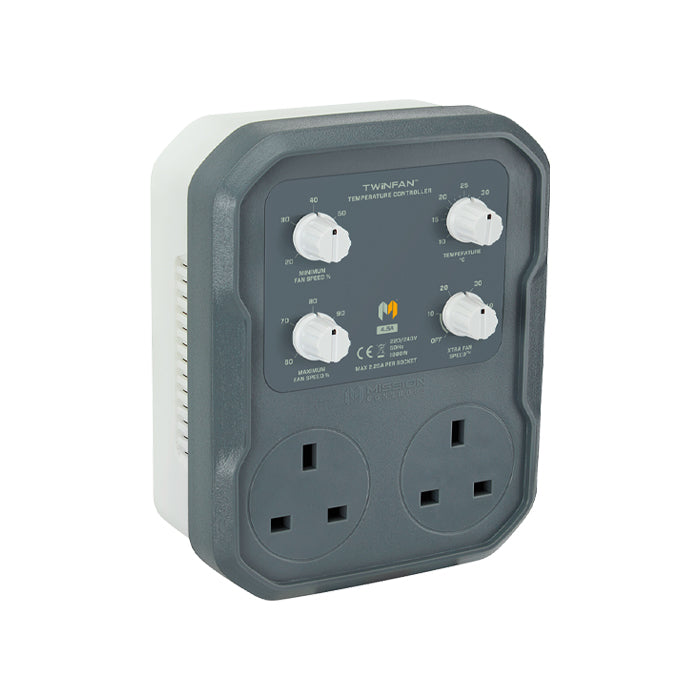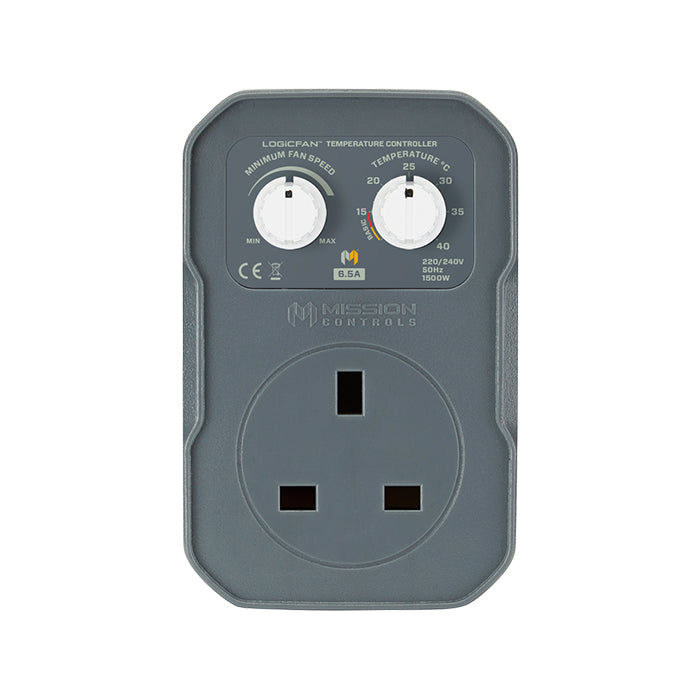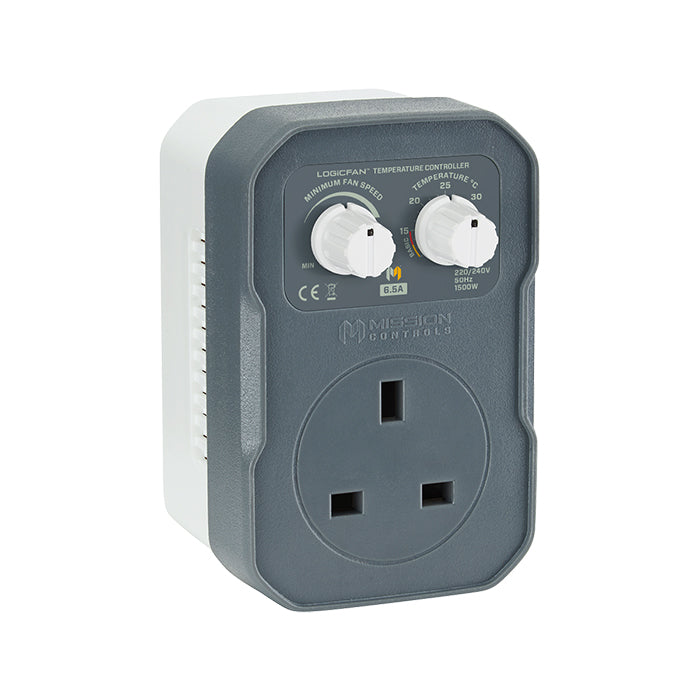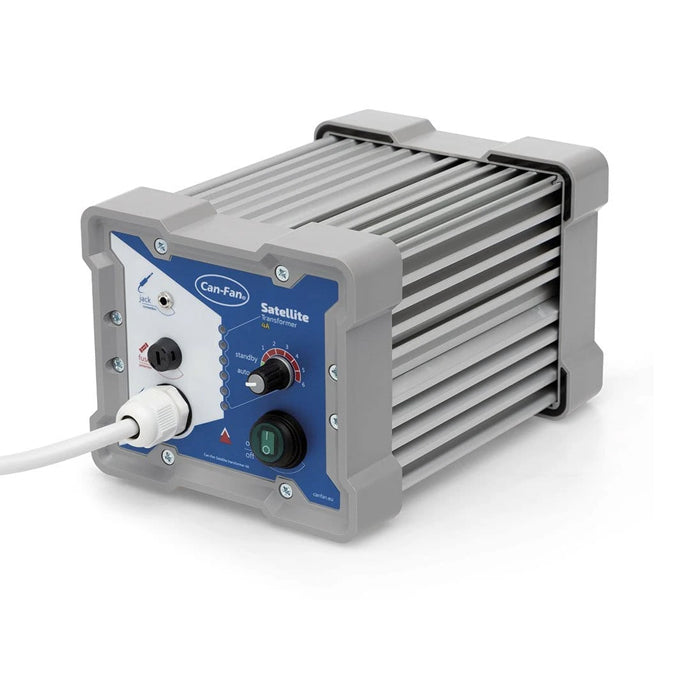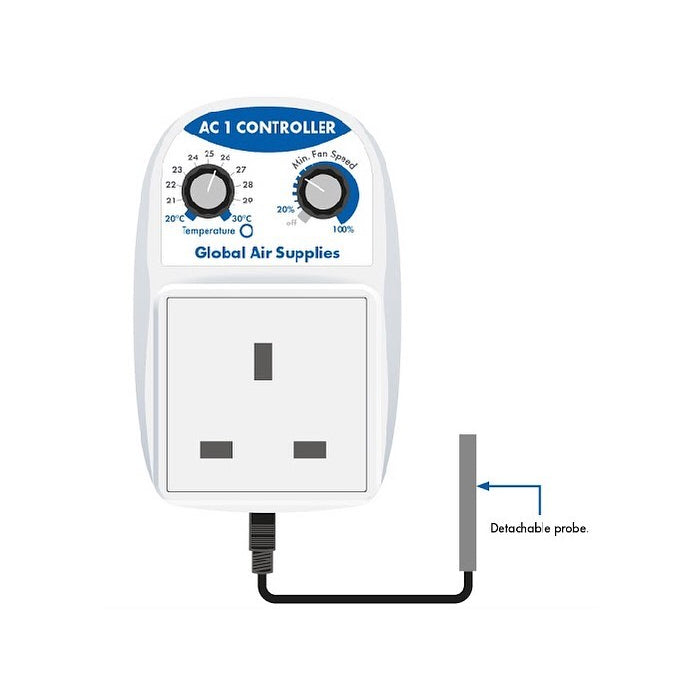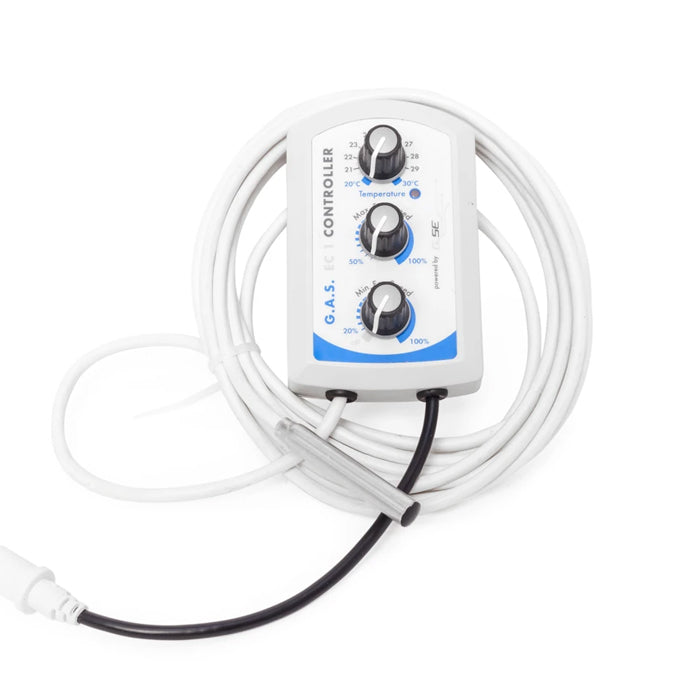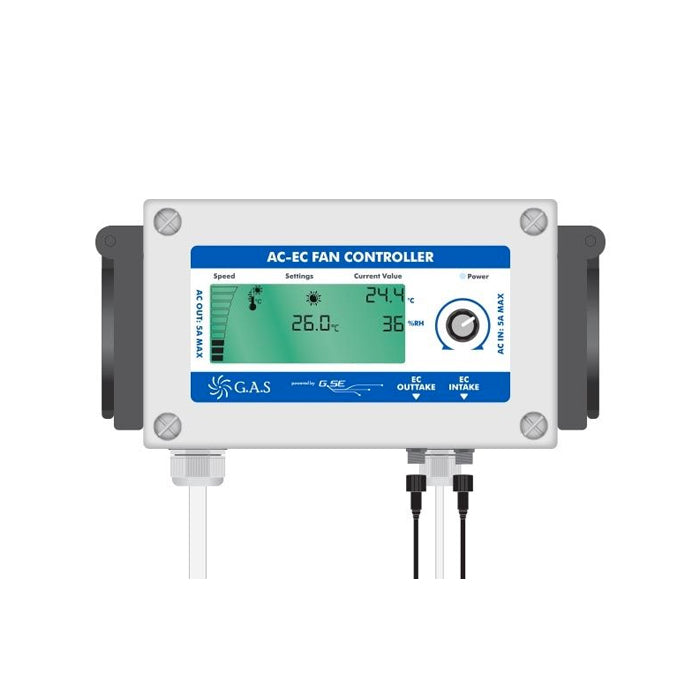
Take control of grow room airflow with fan speed controllers for compatible extraction and intake fans. Shop manual dial controllers, thermostatic models, twin-fan units, EC controllers and advanced environmental systems for simple speed adjustment or responsive climate control.
Compatibility matters: match the controller to the fan's motor and control method, check the total electrical load, and decide whether you need one fan, balanced intake and extraction, or temperature-led automation. If you are unsure, ask our team to check the fan and controller together before ordering.
Grow room fan speed controllers
A fan controller changes the output of a compatible ventilation fan, helping you adjust air exchange to the requirements of the room. Basic models provide direct manual control, while sensor-based controllers can increase or reduce fan speed in response to temperature or other supported environmental settings.
Correctly selected control can make ventilation easier to balance and may reduce unnecessary noise and energy use when full output is not required. A controller does not make an undersized fan more powerful, and reducing speed too far can leave the room without enough fresh-air exchange. Start with a suitably sized ventilation system, then use the controller to refine its operation.
Types of fan controller
Manual fan speed controllers
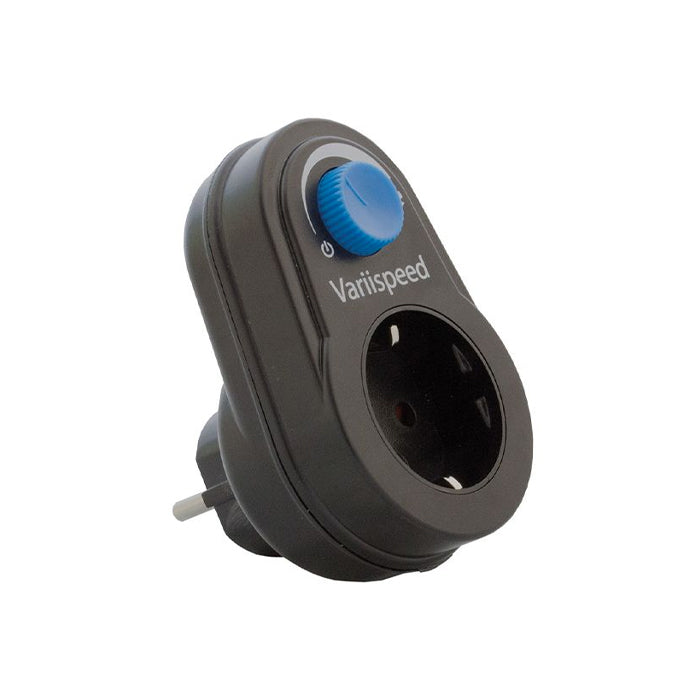
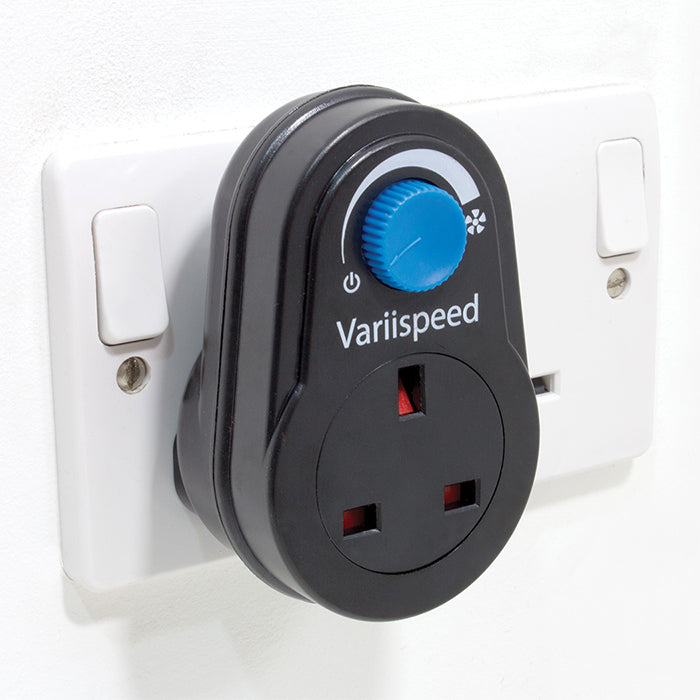
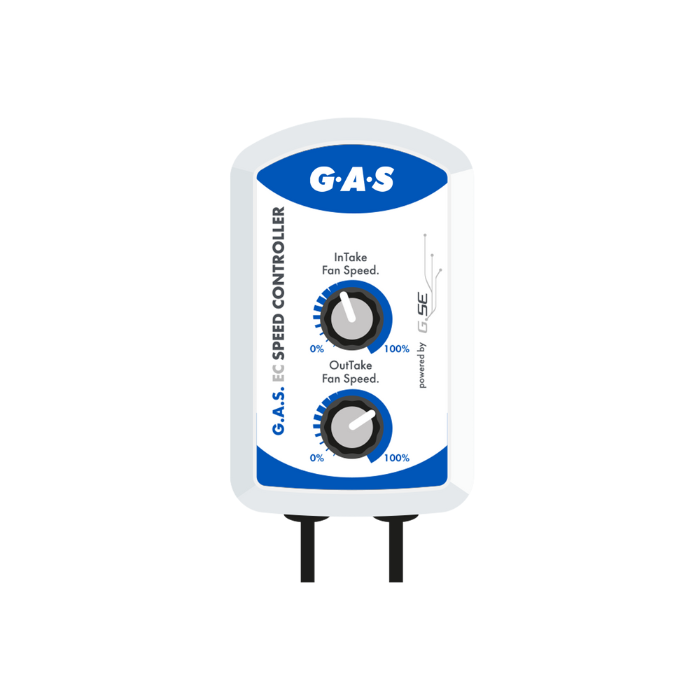
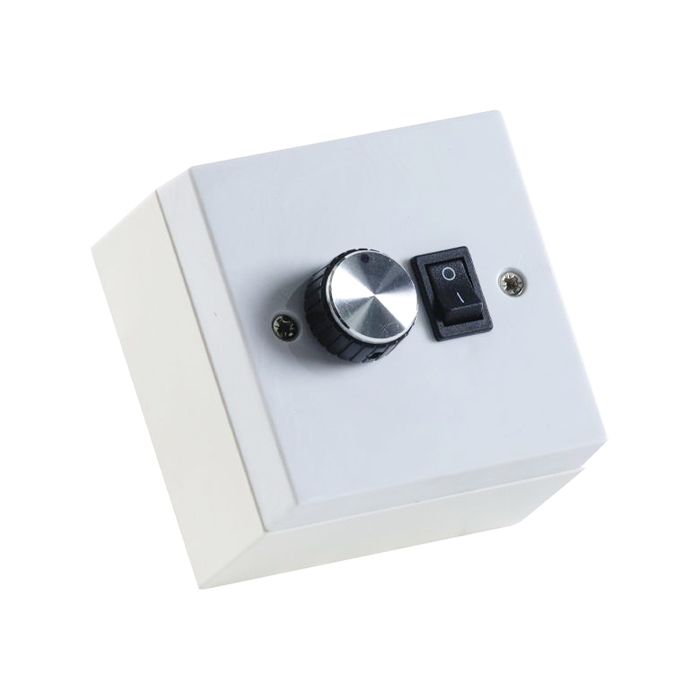
Manual controllers use a dial or stepped control to set a fixed fan speed. They are a straightforward choice when the required airflow is reasonably stable and you are happy to make adjustments yourself. Check the supported fan type and maximum current before connecting the equipment; a plug and matching socket do not guarantee electrical compatibility.
Thermostatic fan controllers
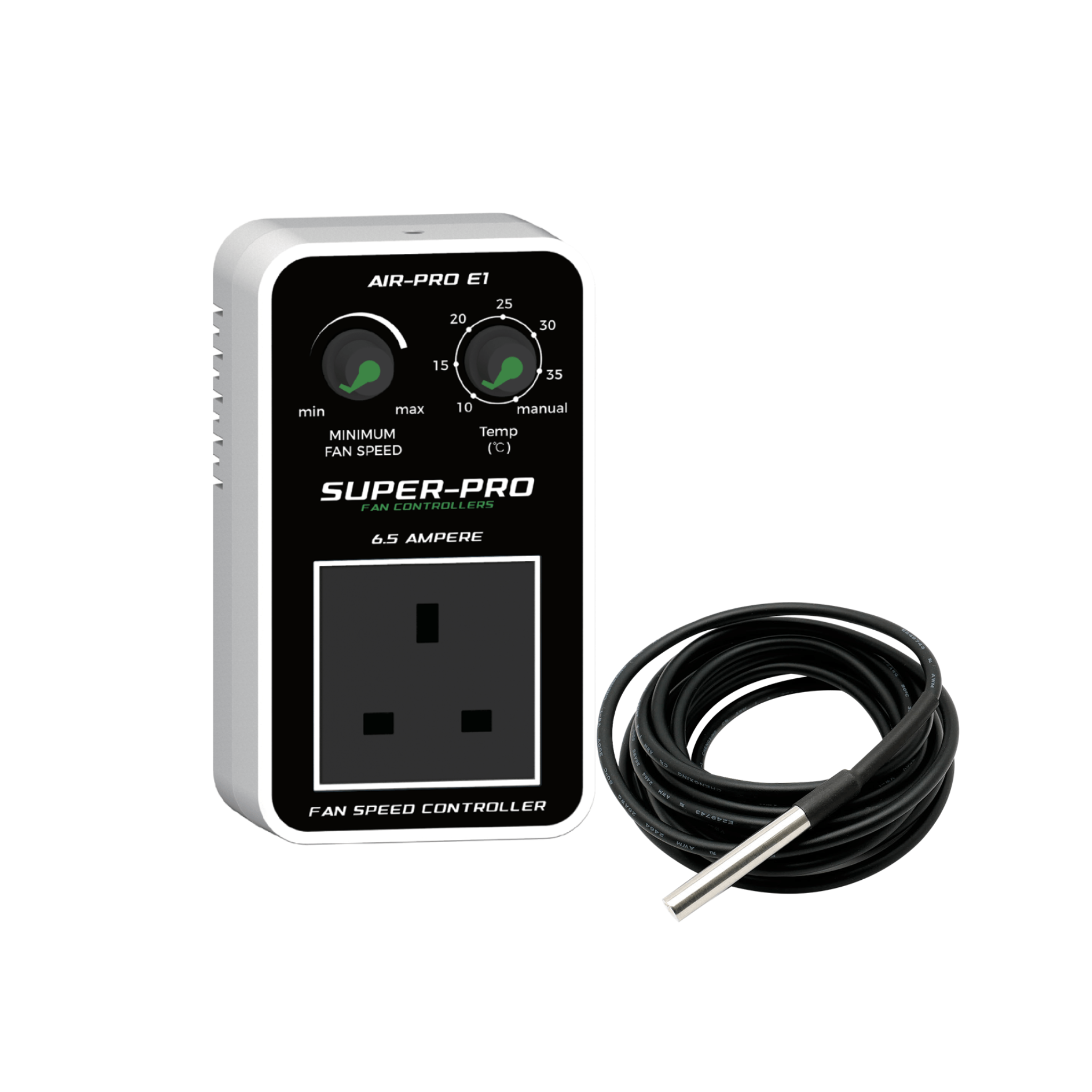
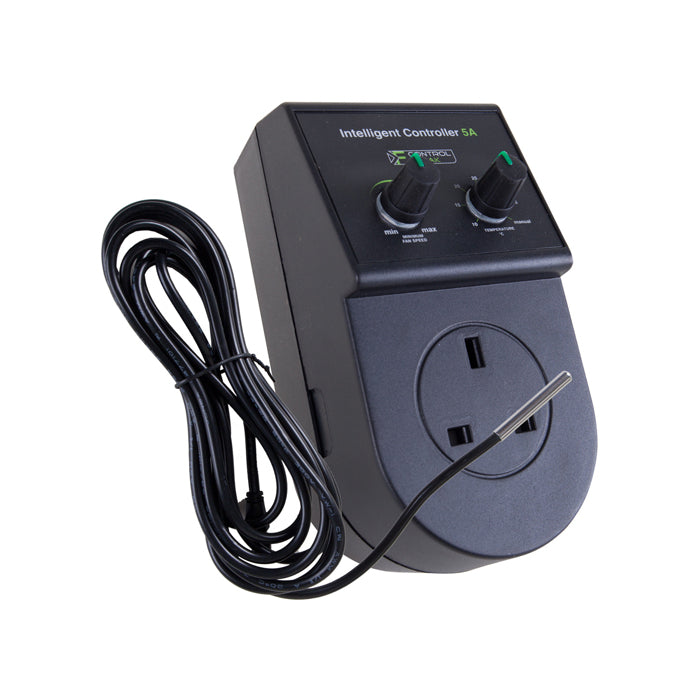
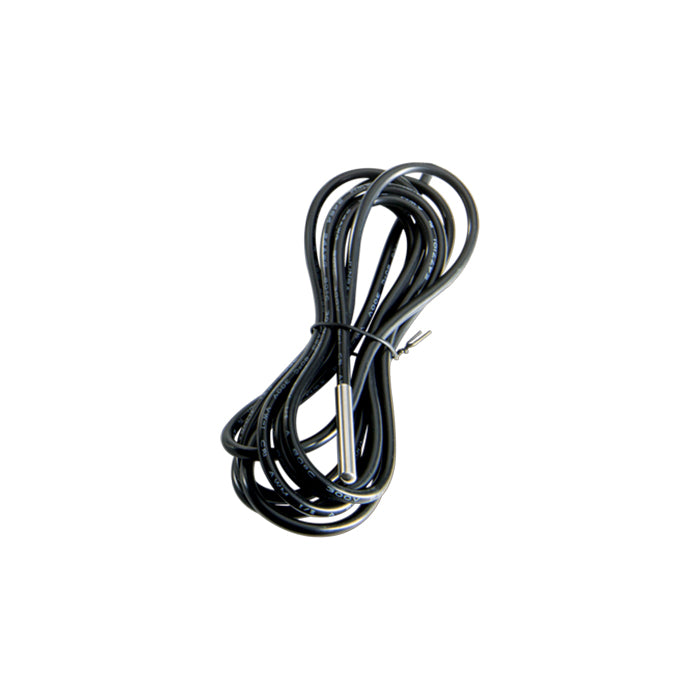
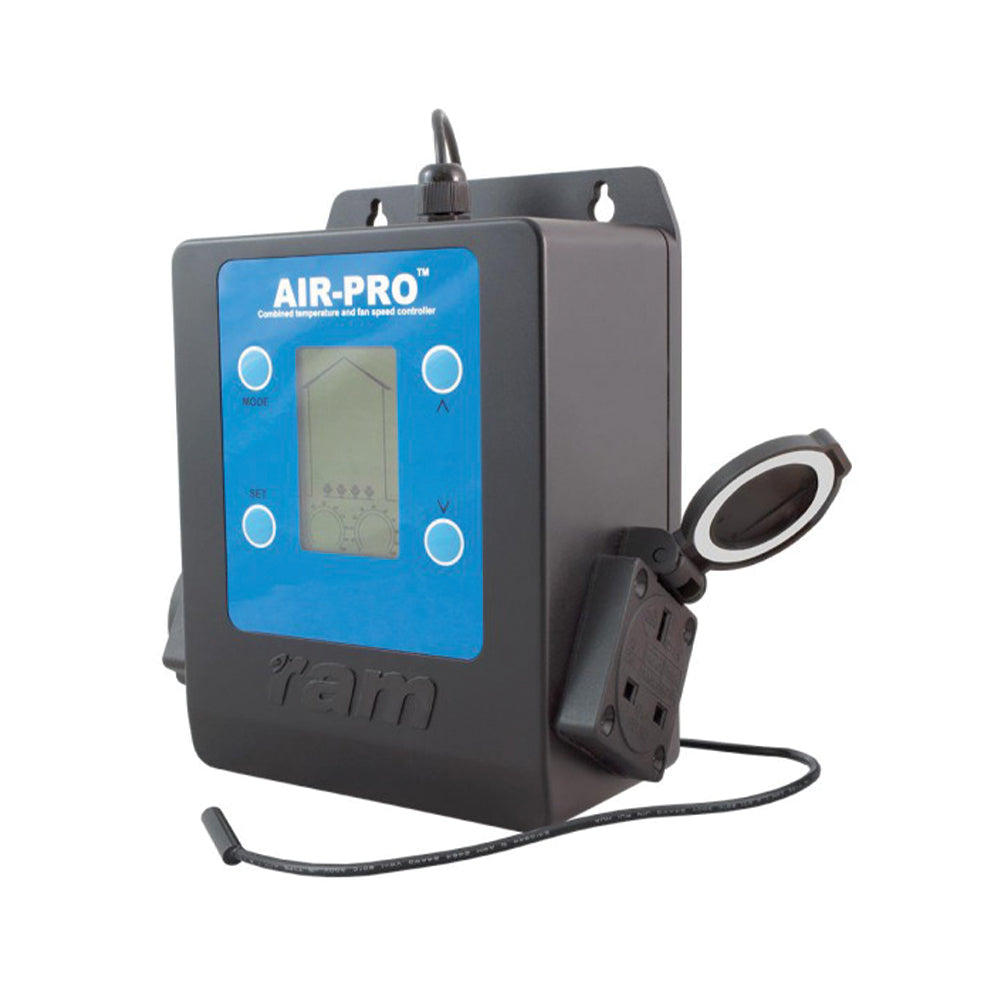
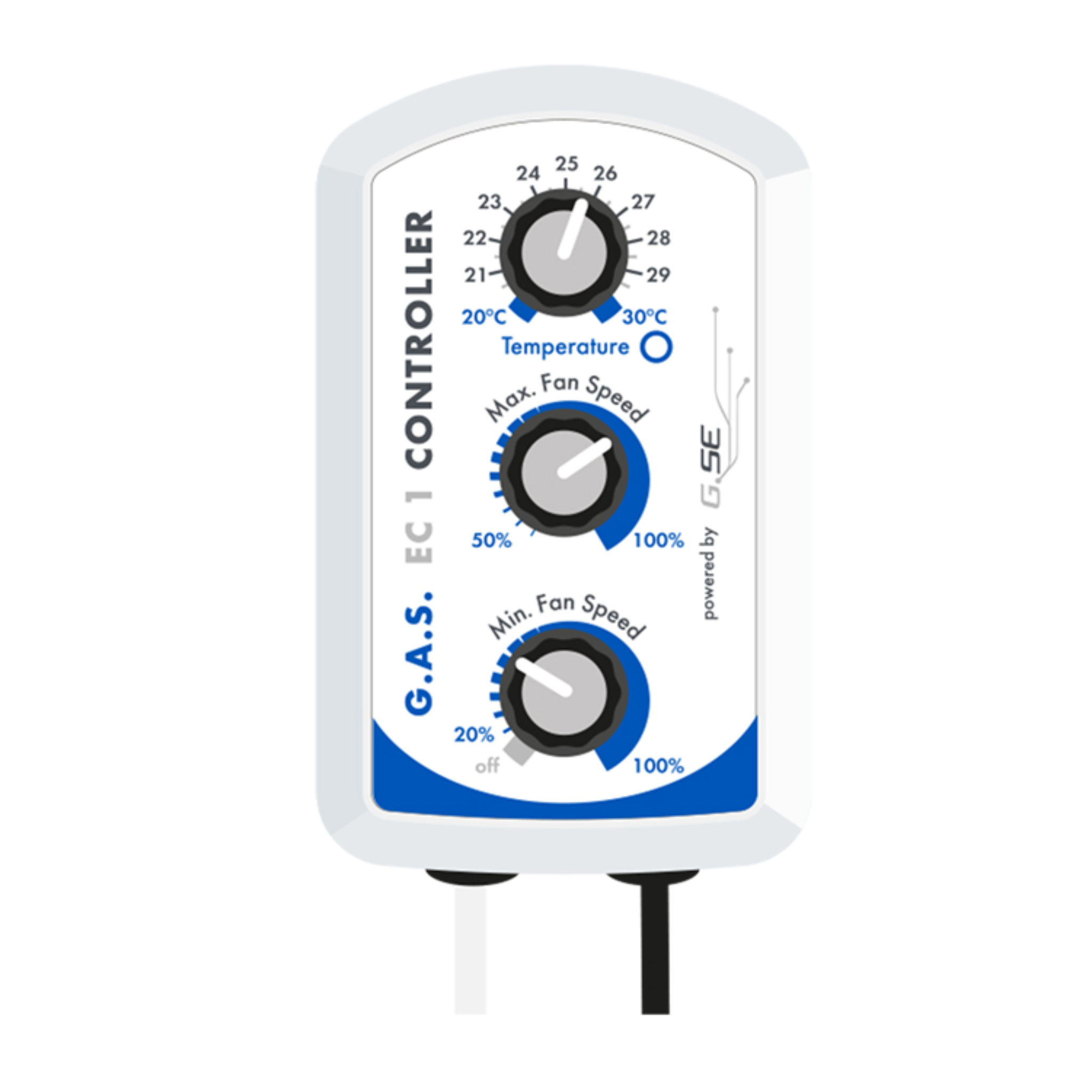
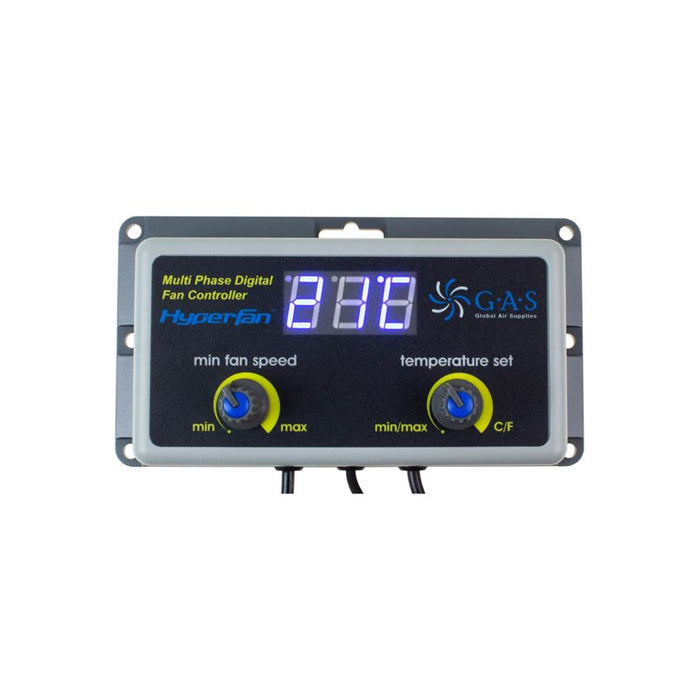
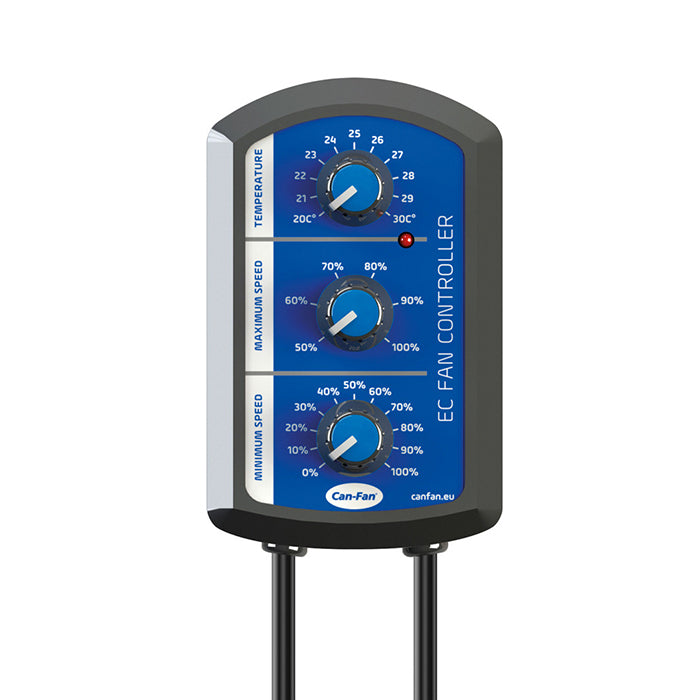
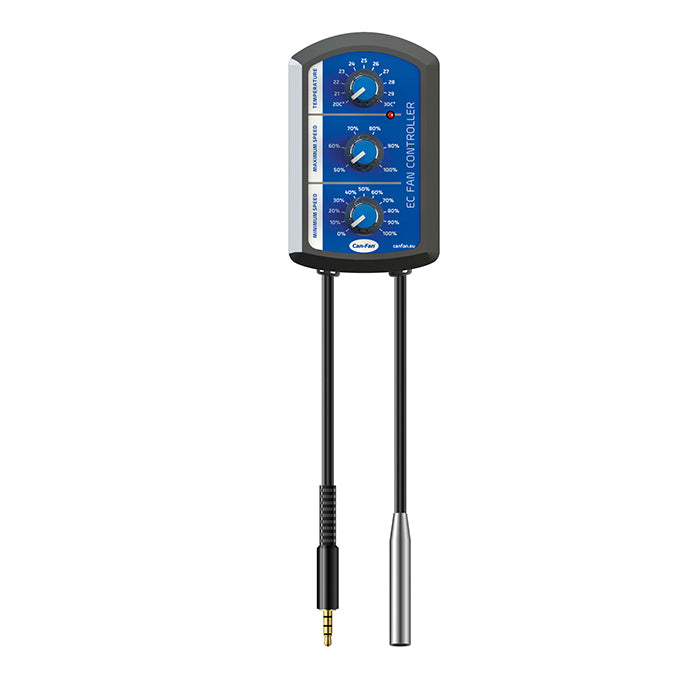
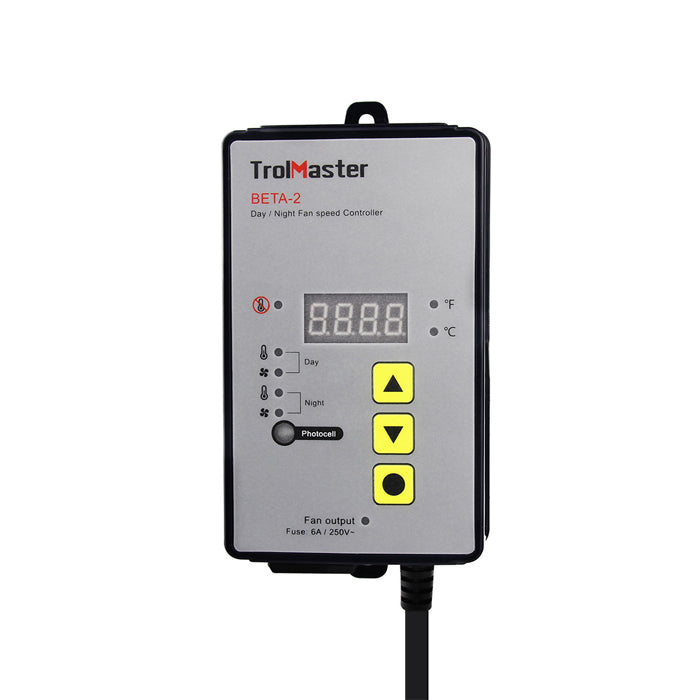
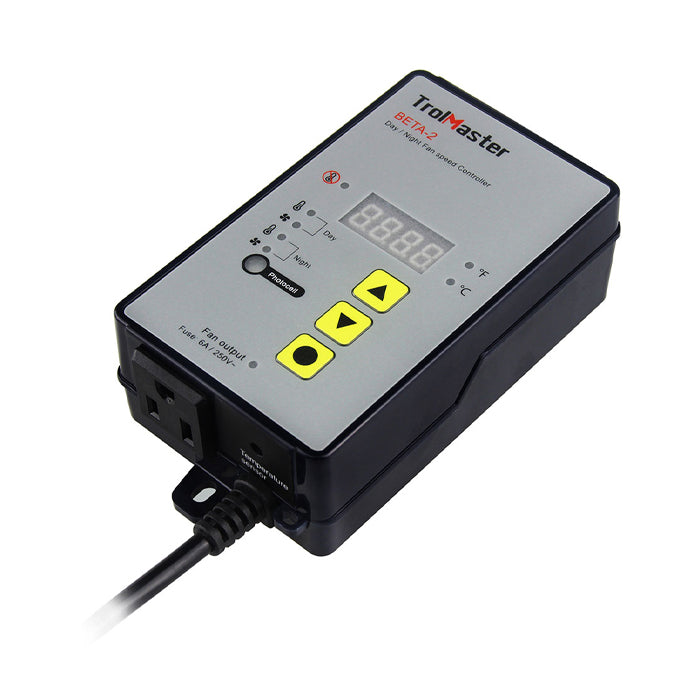
A thermostatic controller uses a temperature probe to vary or switch compatible ventilation equipment around a chosen setting. Many models allow a minimum background speed so that air continues to move when the room is below the target. Available functions vary, so compare the temperature range, sensor lead, minimum-speed control and response behaviour of the individual product.
Twin-fan controllers
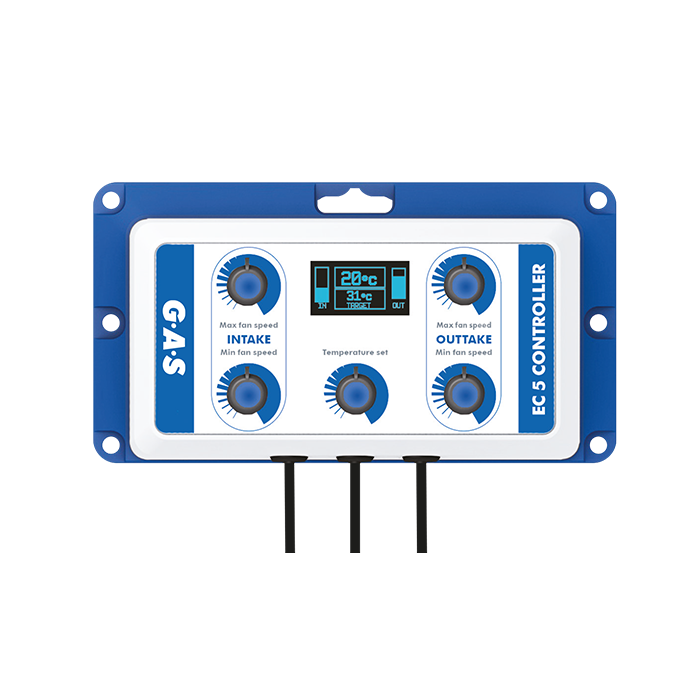
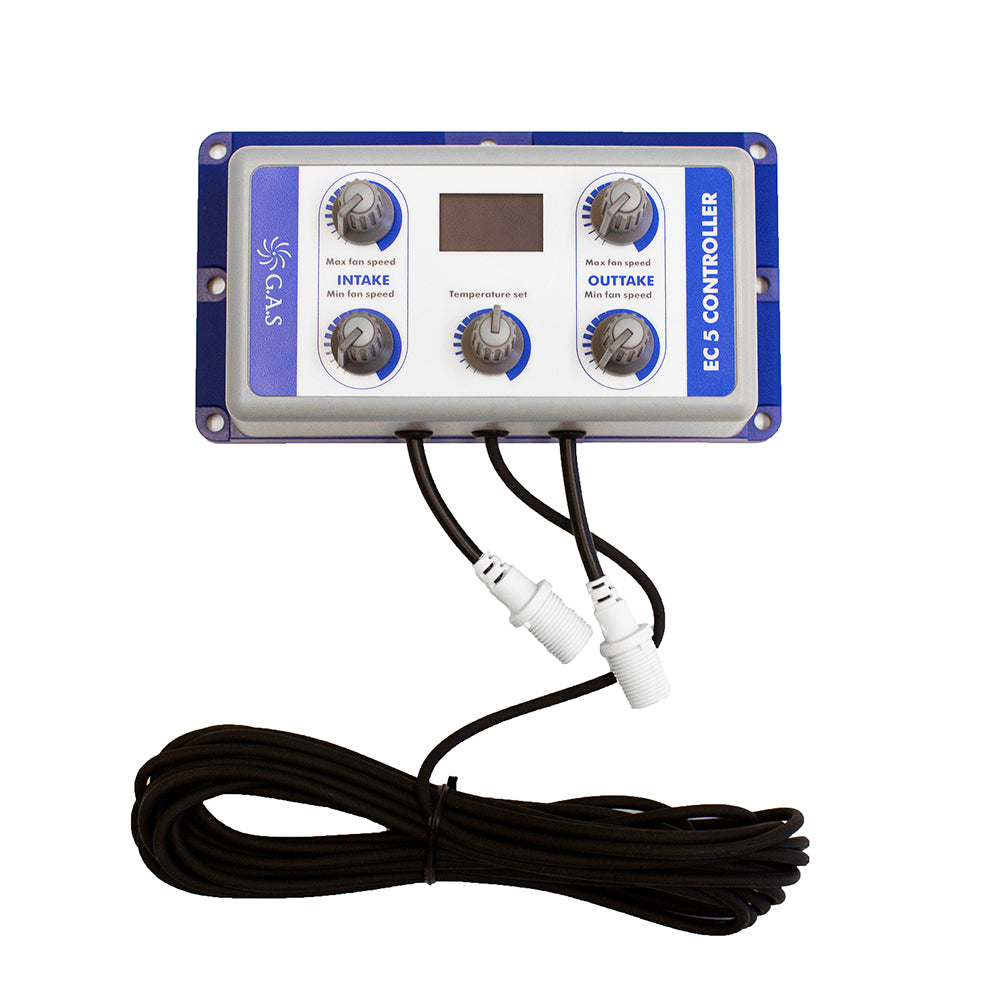
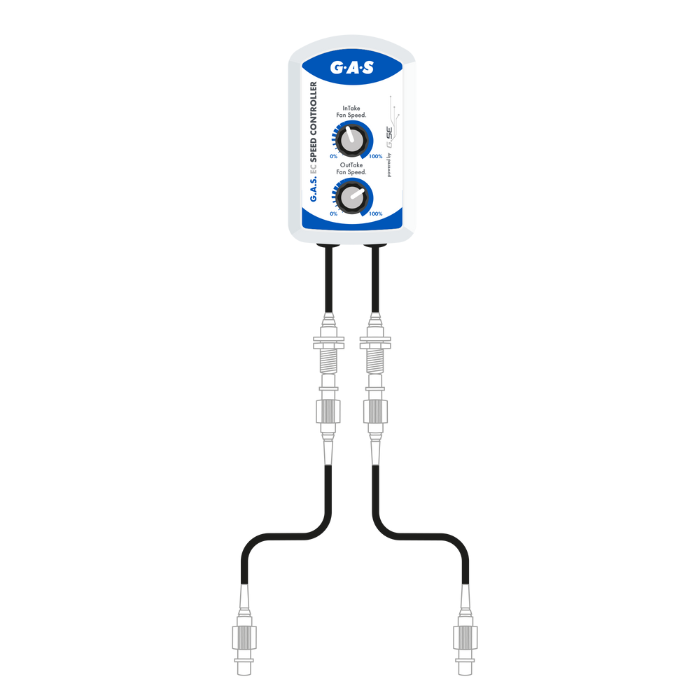
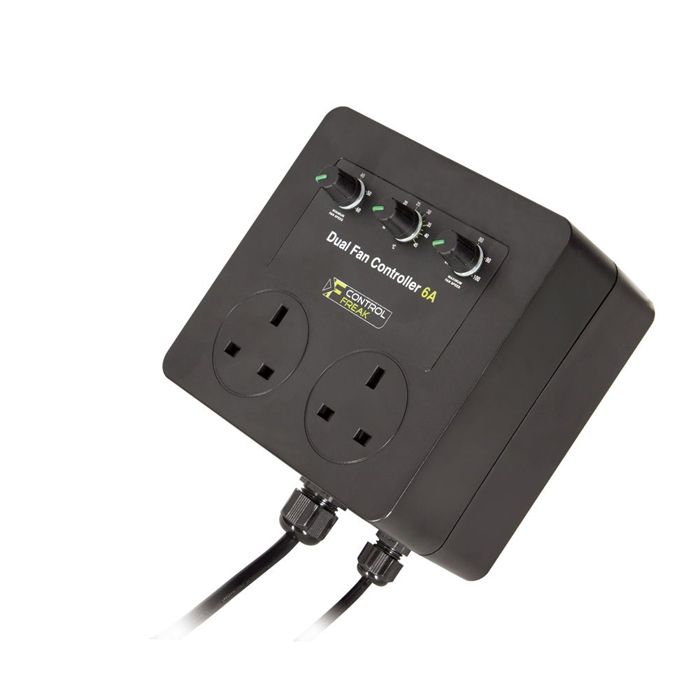
Twin-fan controllers are designed to operate compatible intake and extraction fans together. Keeping extraction slightly stronger than intake can help maintain negative pressure where the room and filter system require it. Look for separate minimum and maximum settings, intake-to-extraction balance controls and a total load rating that covers both fans.
EC fan controllers
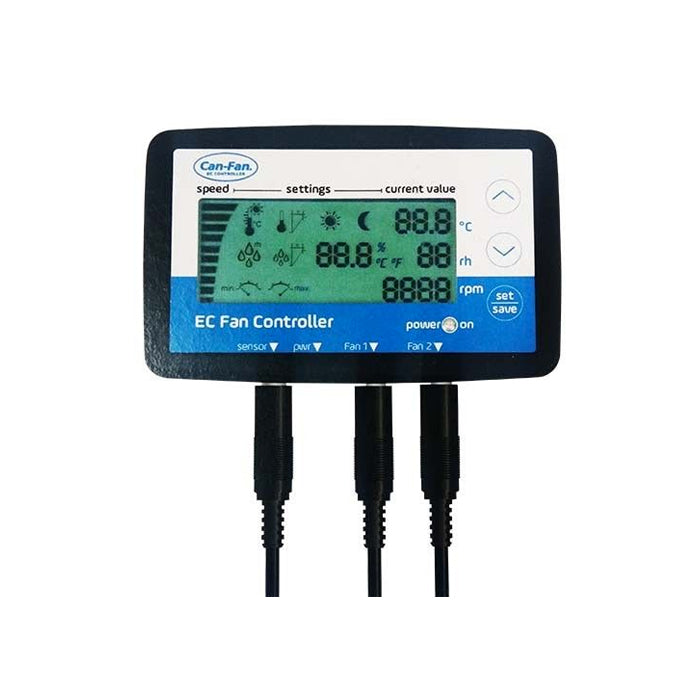
EC fans often use a low-voltage control signal, digital connection or manufacturer-specific cable rather than conventional mains-voltage speed reduction. A compatible EC controller can provide smooth adjustment and, depending on the system, temperature, humidity or programmed control. Confirm the signal type, cable and connector as well as the fan model; EC equipment is not automatically cross-compatible between brands.
Smart environmental controllers
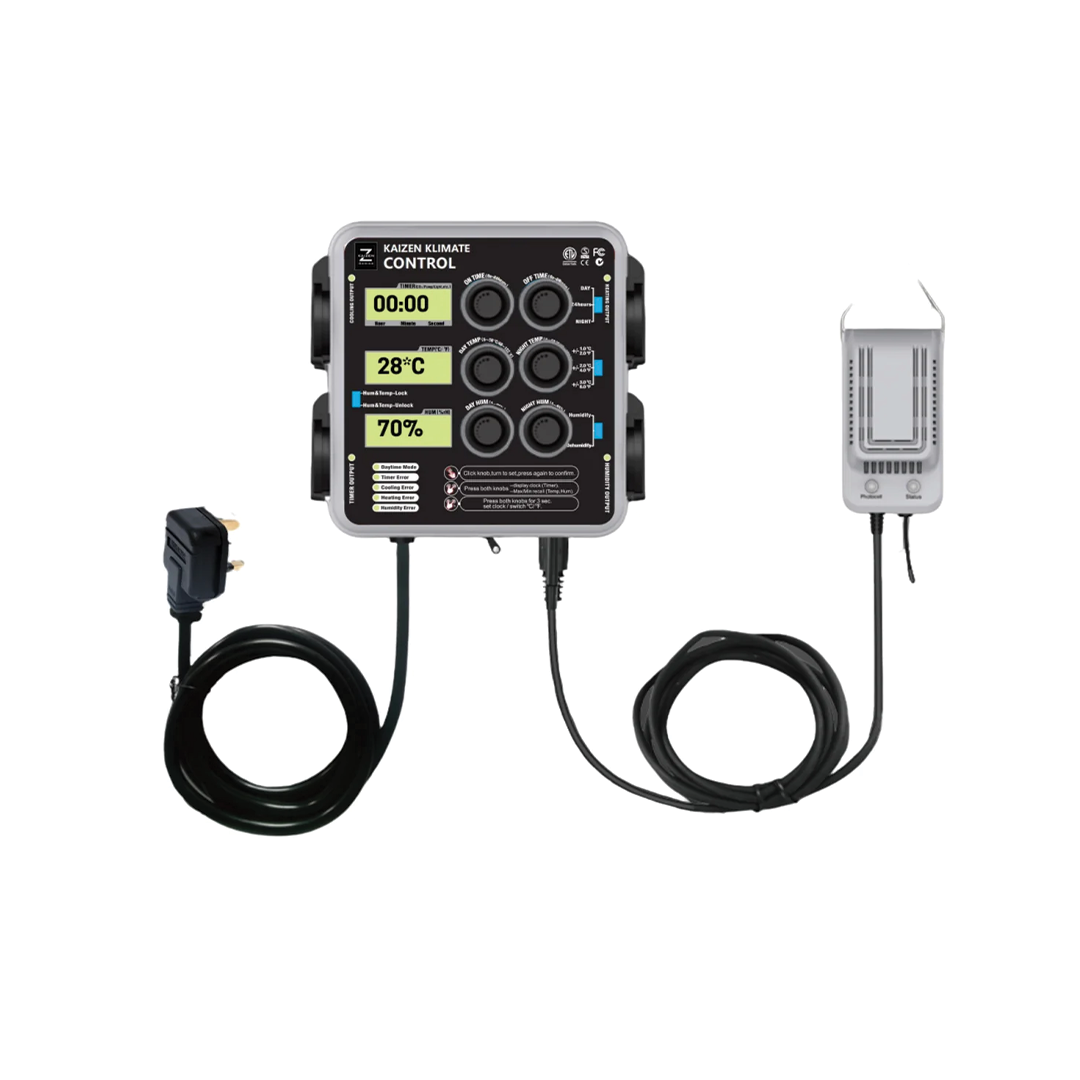
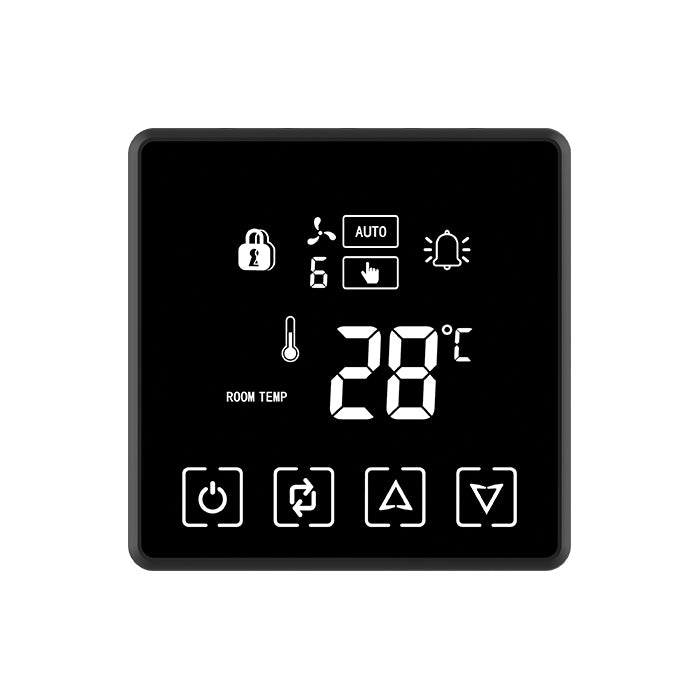
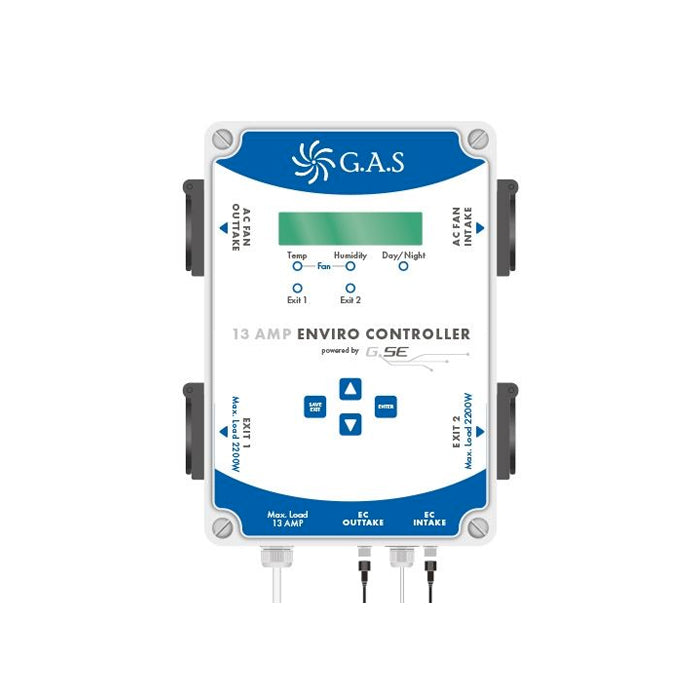
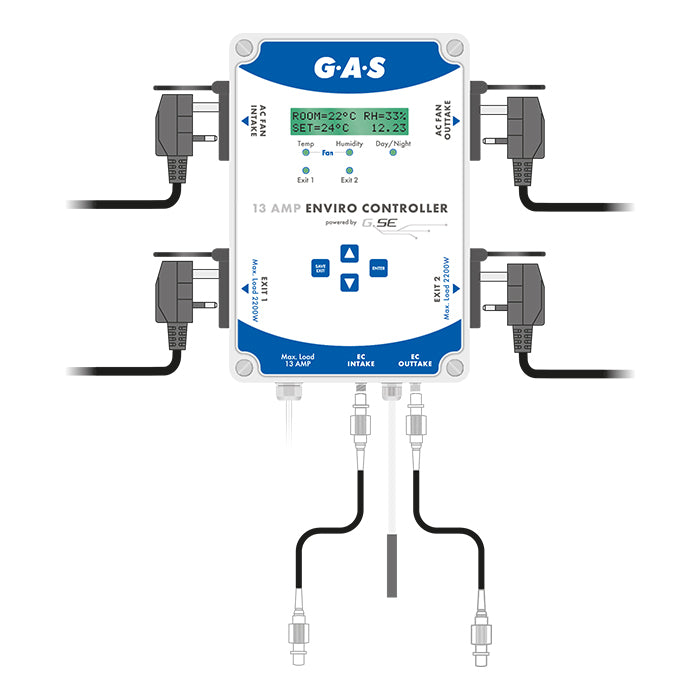
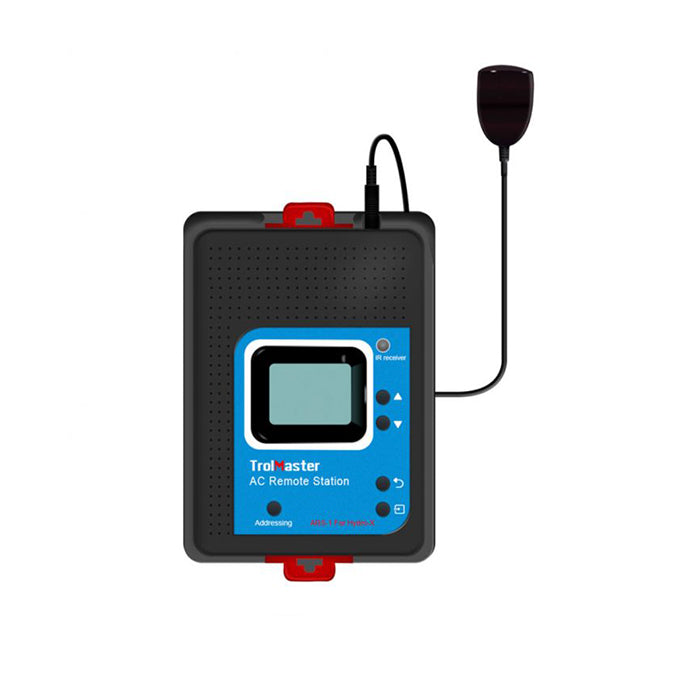
Advanced control stations can coordinate compatible fans with other environmental equipment and may include schedules, alarms, data logging, day and night settings, humidity control or remote monitoring. These systems are useful when several devices need to work together, but they should be chosen around a clearly compatible product ecosystem rather than features alone.
How to choose the right fan speed controller
Identify the fan motor and control method
First establish whether the fan is designed for AC voltage control, transformer control, an EC signal or a proprietary digital controller. Check the fan manual and controller compatibility list. Using the wrong control method can cause humming, unstable running, failure to start or equipment damage, so do not assume that a general-purpose dimmer or controller is suitable.
Check the electrical rating
Compare the controller's stated current and power limits with the fan's rating and the manufacturer's installation guidance. When several fans share a controller, account for the combined load and any start-up current specified by the manufacturer. Never exceed the controller rating, and do not use adaptors or extension arrangements that undermine the product's safety instructions.
Choose the number of fans and outlets
A single-fan controller suits one compatible extraction or intake fan. A purpose-made twin controller can coordinate two fans and may provide balance settings, while multi-device environmental stations can manage a wider group of compatible equipment. Count the fans and confirm how each output is controlled before choosing a system.
Decide which sensors and settings you need
Temperature-led control is sufficient for many straightforward ventilation systems. More advanced rooms may benefit from humidity, day and night settings, minimum and maximum fan speeds, hysteresis, alarms or data logging. Select functions that solve a real control need and check whether the required sensor is included or sold separately.
Consider noise at reduced speed
Noise depends on the fan, controller method, ductwork, air velocity and vibration as well as the selected speed. Some AC fans can hum when used with an unsuitable electronic controller, while transformer control or a purpose-matched EC system may provide smoother operation. Always follow the fan manufacturer's controller recommendations.
Check brand and ecosystem compatibility
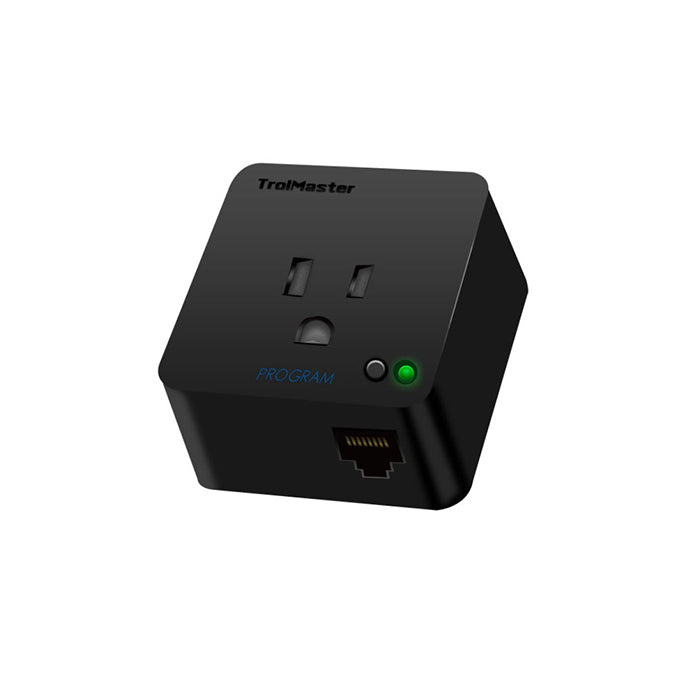
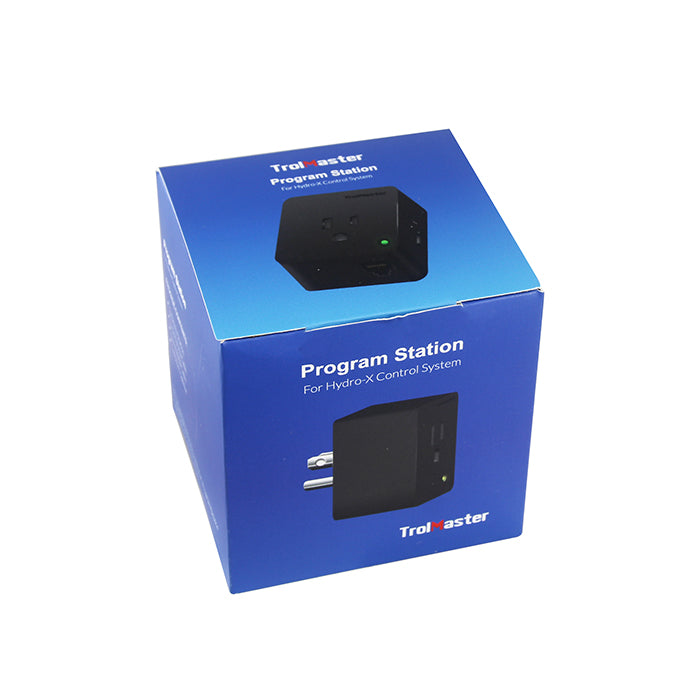
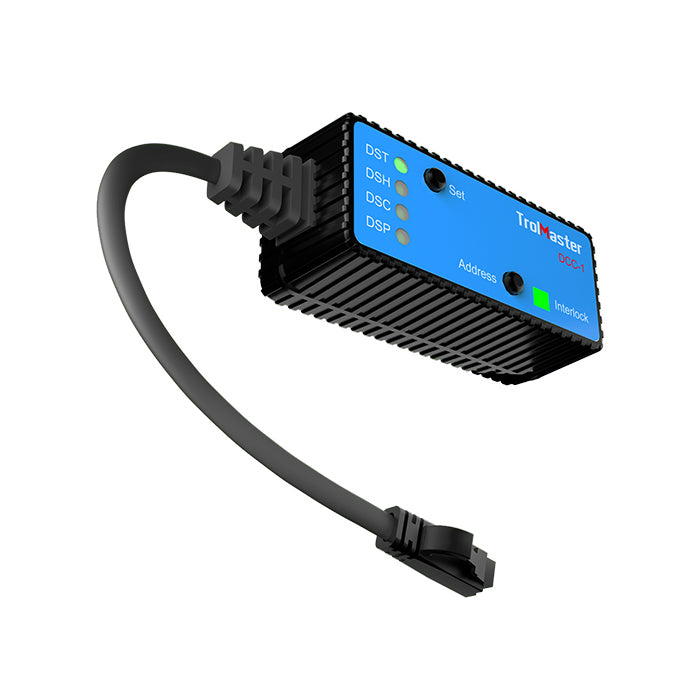
Some controllers use proprietary leads, modules or communication protocols. Products from Can-Fan, G.A.S, TrolMaster, AC Infinity and other manufacturers may only provide their full functions within the matching ecosystem. Check the exact fan model, controller generation, cable and any required adaptor before ordering.
Setting up a fan controller
- Follow the manual: use only the approved fans, cables, sensors and connection sequence.
- Mount it securely: keep the controller dry, accessible and away from direct spray, condensation and excessive heat.
- Place the sensor carefully: position it where it represents the room, away from a direct fan stream, heater, humidifier or intense radiant heat.
- Set a sensible minimum: maintain enough background airflow for the room instead of reducing the fan until it stalls or stops exchanging air.
- Test the complete range: confirm that every fan starts reliably, responds correctly and remains within the controller's electrical rating.
- Monitor conditions: check temperature and humidity at different points and adjust the setpoint, balance or sensor position when needed.
Switch off and isolate equipment before changing wiring or connections. Keep mains equipment and plugs away from water, route sensor leads safely, and stop using any controller that develops unusual heat, smell, noise, damaged wiring or unreliable operation. Fixed electrical work should be completed by a competent person.
Build a complete ventilation system
Pair the controller with a correctly sized extraction or intake fan. Add a compatible carbon filter where air treatment is required, then connect the system with the right ducting, clamps and fittings. For a pre-matched starting point, compare our complete extraction kits and use temperature and humidity equipment to verify room conditions.
Why buy fan speed controllers from Holland Horticulture?
Established in 1996, Holland Horticulture supplies manual, thermostatic, twin-fan, EC and smart environmental controllers for indoor horticultural ventilation. Our range covers straightforward plug-in control and advanced multi-device systems, supported by experienced product advice, UK delivery and Click & Collect.
Fan speed controller FAQs
Can any fan speed controller work with any fan?
No. The controller must support the fan's motor, control signal, electrical load and connector. AC, EC and proprietary digital fans can require very different controllers. Check the documentation for both products or ask us to confirm the combination.
What is the difference between an AC and EC fan controller?
An AC controller changes the supply to a compatible AC fan using a method approved for that motor. An EC controller usually sends a separate low-voltage or digital control signal to the fan's electronics. The two controller types are not interchangeable unless the manufacturer expressly states otherwise.
What amp rating does my fan controller need?
The controller rating must cover the connected equipment in accordance with the manufacturer's instructions. For more than one fan, use the combined load and account for any specified start-up current. Do not select a controller that merely matches or falls below the total rating.
Can one controller run two fans?
Only when the controller is designed for that arrangement and its total rating covers both compatible fans. A twin-fan controller is often the clearer choice when intake and extraction need to be balanced independently.
Why does my fan hum at a lower speed?
Humming can result from an unsuitable control method, motor characteristics, vibration or a speed setting below the fan's stable operating range. Return the fan to its approved settings, check the mounting and ductwork, and confirm the recommended controller with the manufacturer before continuing.
How low should I set my extraction fan?
There is no universal percentage. The minimum setting should keep the fan starting reliably while maintaining enough air exchange for the room's heat and humidity load. Use temperature and humidity readings, observe room pressure where relevant and follow the fan's minimum-speed guidance.
Where should I put the temperature probe?
Place it in a representative part of the growing area with free air around it. Keep it away from direct airflow, hot lighting surfaces, heaters, humidifiers, wet surfaces and external draughts that could create a misleading reading.
Do I need a thermostatic fan controller?
A manual controller may be enough when room conditions and ventilation demand remain stable. A thermostatic controller is useful when the fan should respond automatically as temperature changes, provided the chosen controller is compatible with the fan and configured with an appropriate minimum airflow.