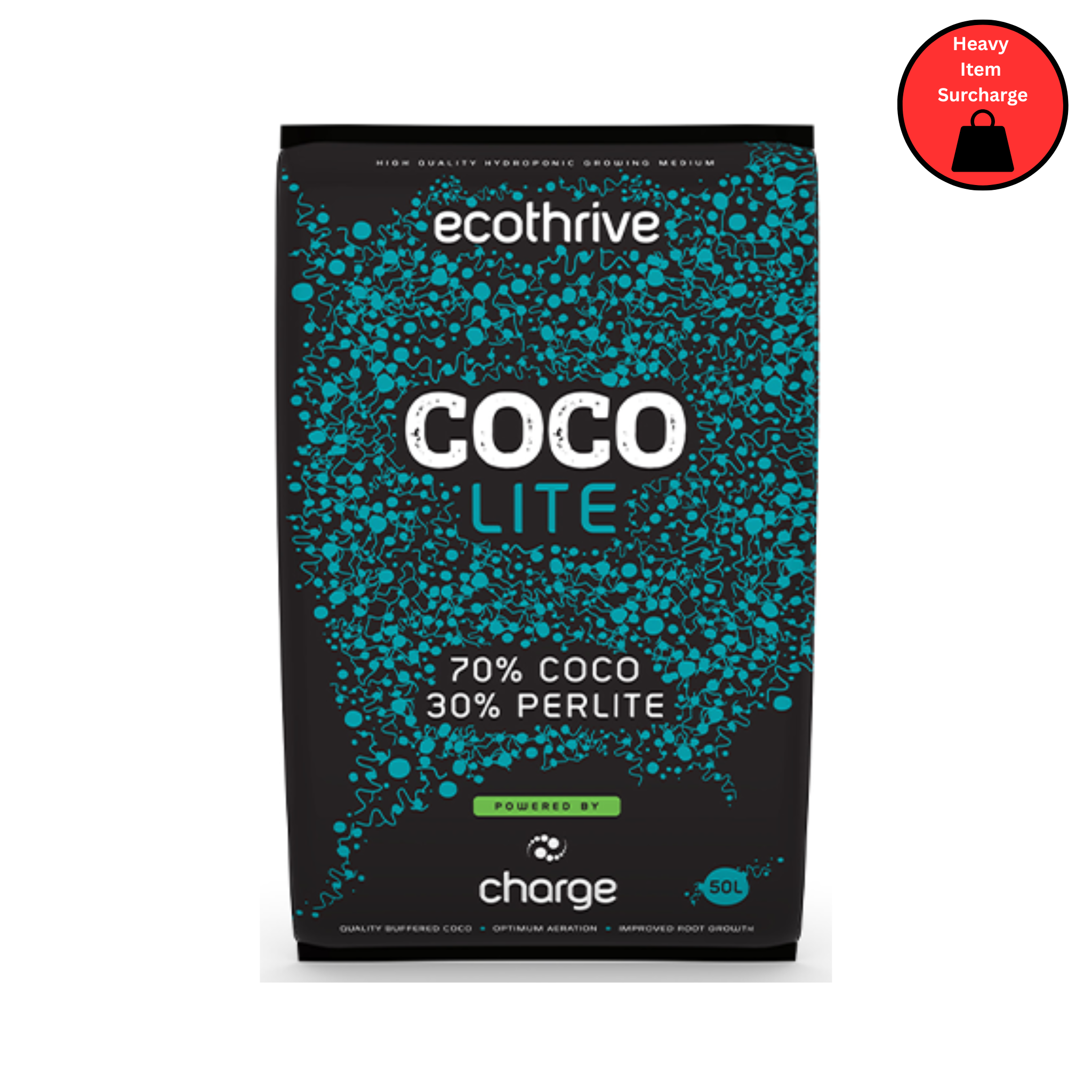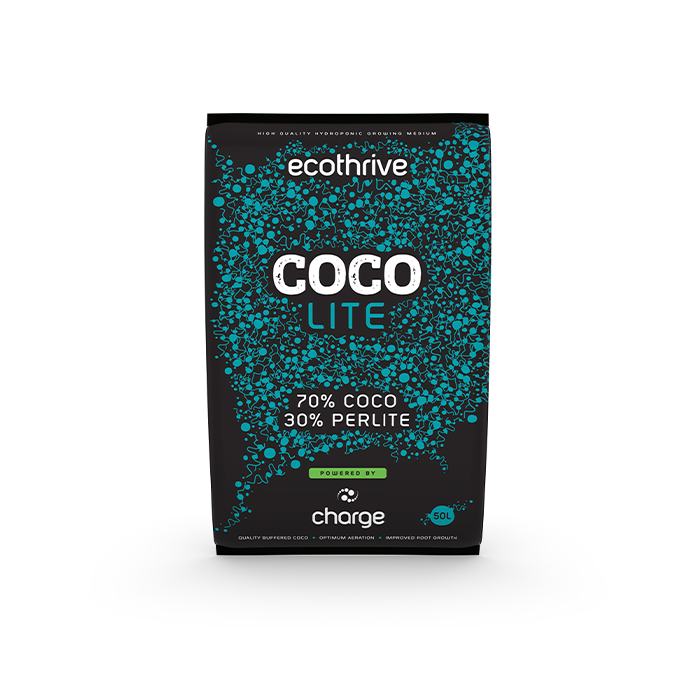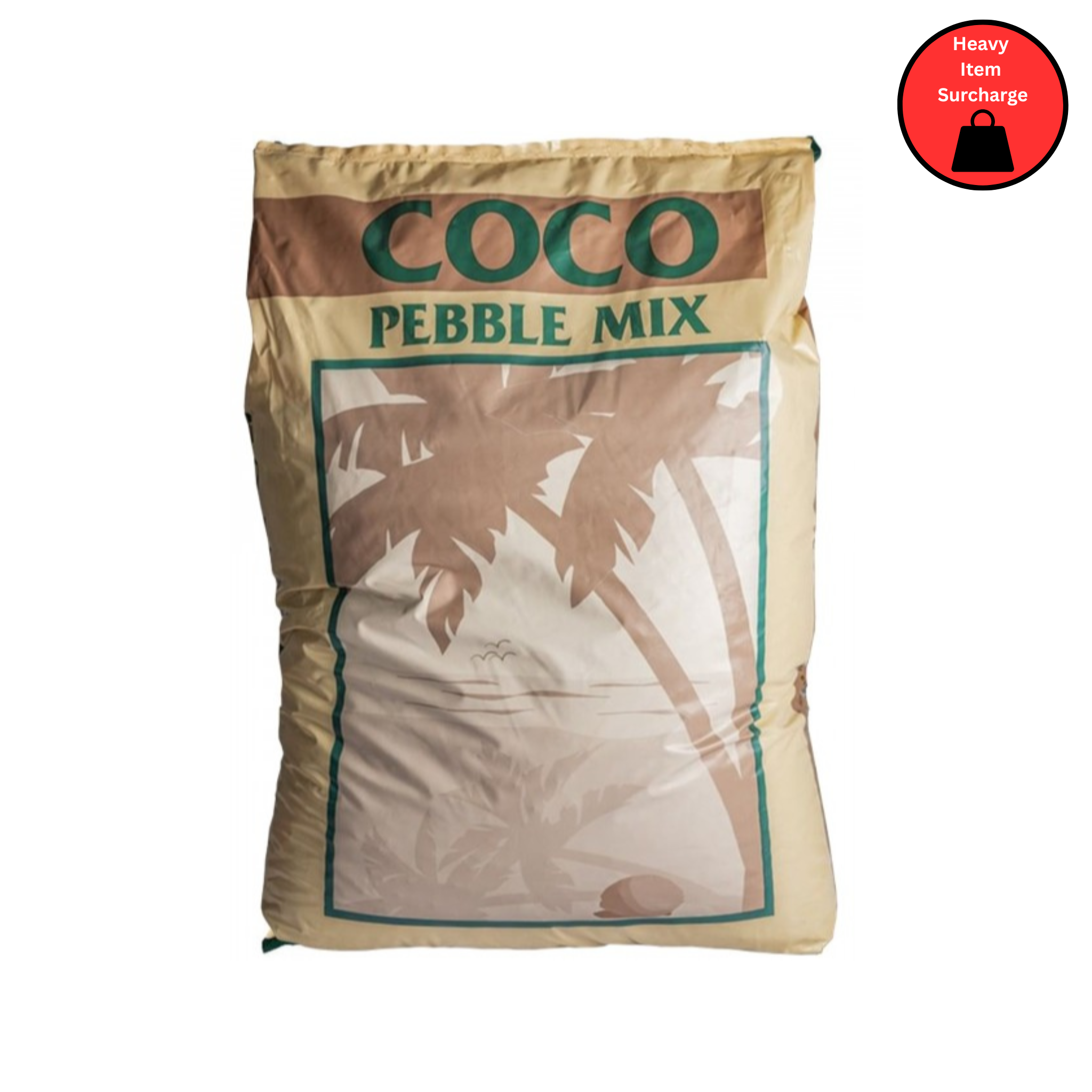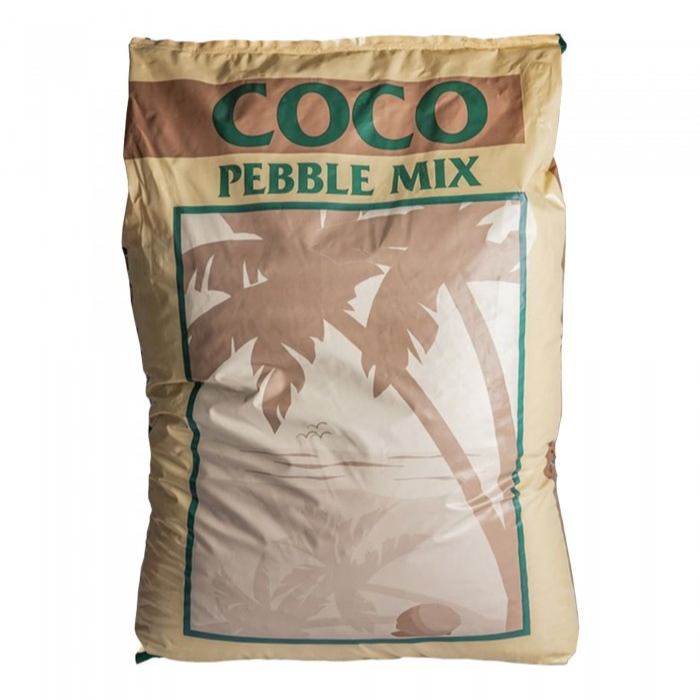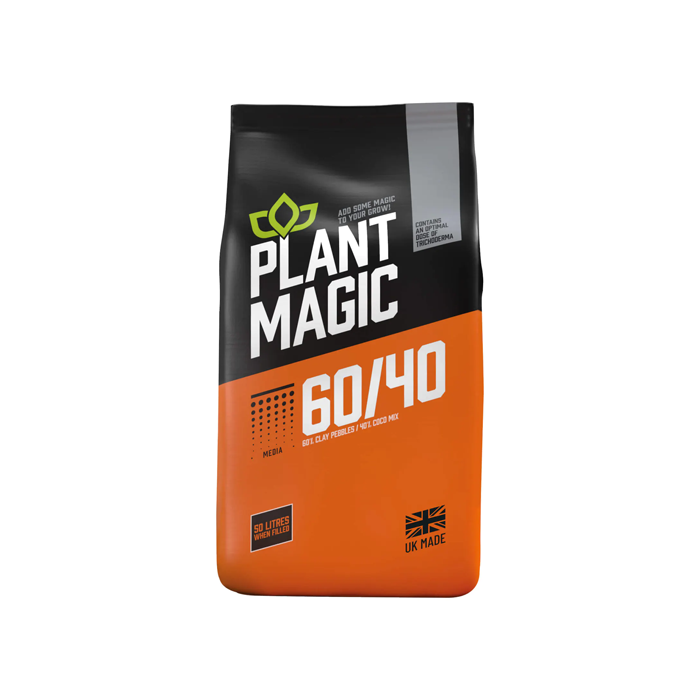
Shop coco blends and hydroponic growing-media mixes containing coco coir with perlite, clay pebbles or both. Ready-prepared ratios make it easier to choose a consistent root-zone structure with a practical balance of moisture retention, aeration and drainage.
Our range includes popular 70/30 coco-perlite blends, 60/40 coco-clay mixes and multi-component substrates for pot-based hydroponic systems. Compare the stated ingredients, ratio and intended irrigation method to find the most suitable blend for your setup.
Ready-mixed coco substrates for hydroponics
Coco coir provides a stable, reusable base for many soilless growing methods, but pure coco is not the only option. Adding perlite or clay pebbles changes how the medium holds water, drains and maintains air spaces around the roots. A professionally prepared blend provides a consistent ratio without requiring separate bags and manual measuring.
The best mix depends on the irrigation system, container, plant size, environment and watering routine. A blend with a higher proportion of free-draining material may dry more quickly than pure coco, while a coco-rich mix generally retains more moisture between feeds. Always use the manufacturer's stated composition and system guidance when comparing products.
What is included in a coco blend?
Coco coir for moisture and root support
Coco coir forms the main water-retentive component in most blends. Its fibrous structure can hold moisture while maintaining useful air capacity, giving roots a supportive soilless environment. Coco products may be supplied washed and buffered, but specifications vary, so check the individual product description before use.
Perlite for a lighter, more open mix
Perlite is a lightweight expanded mineral that creates additional air spaces and helps surplus water move through the substrate. Coco-perlite mixes are popular where growers want the familiar handling of coco with a more open structure and faster drainage. See our separate perlite and vermiculite collection if you prefer to prepare a custom blend.
Clay pebbles for structure and drainage
Expanded clay pebbles are firm, porous particles that increase drainage and resist compaction. In a coco-clay blend, they reduce the overall proportion of water-retentive coco and create larger air spaces throughout the pot. They are commonly found in mixes intended for flood-and-drain and other suitable pot-based hydroponic systems.
Understanding common coco-mix ratios
70/30 coco and perlite blends
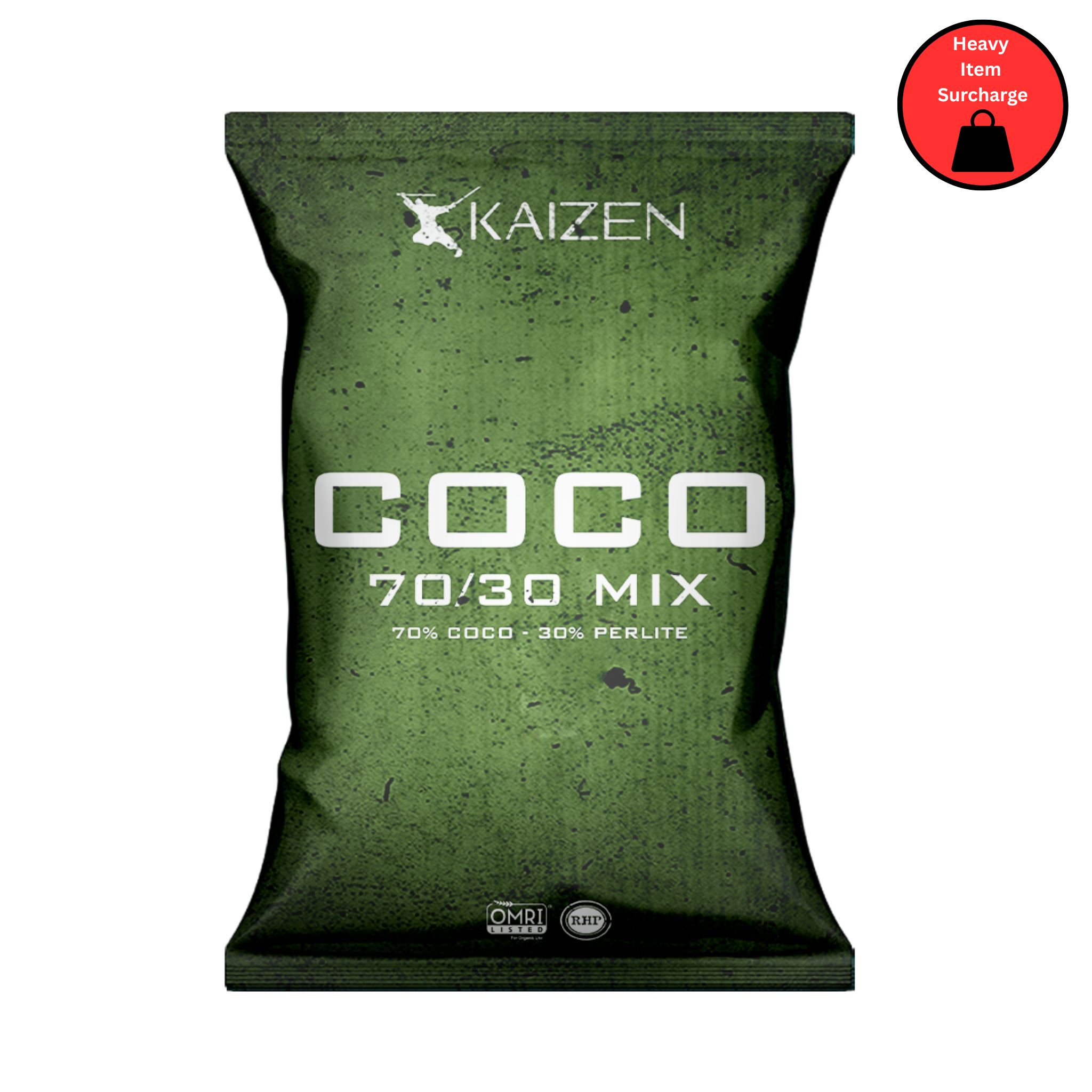
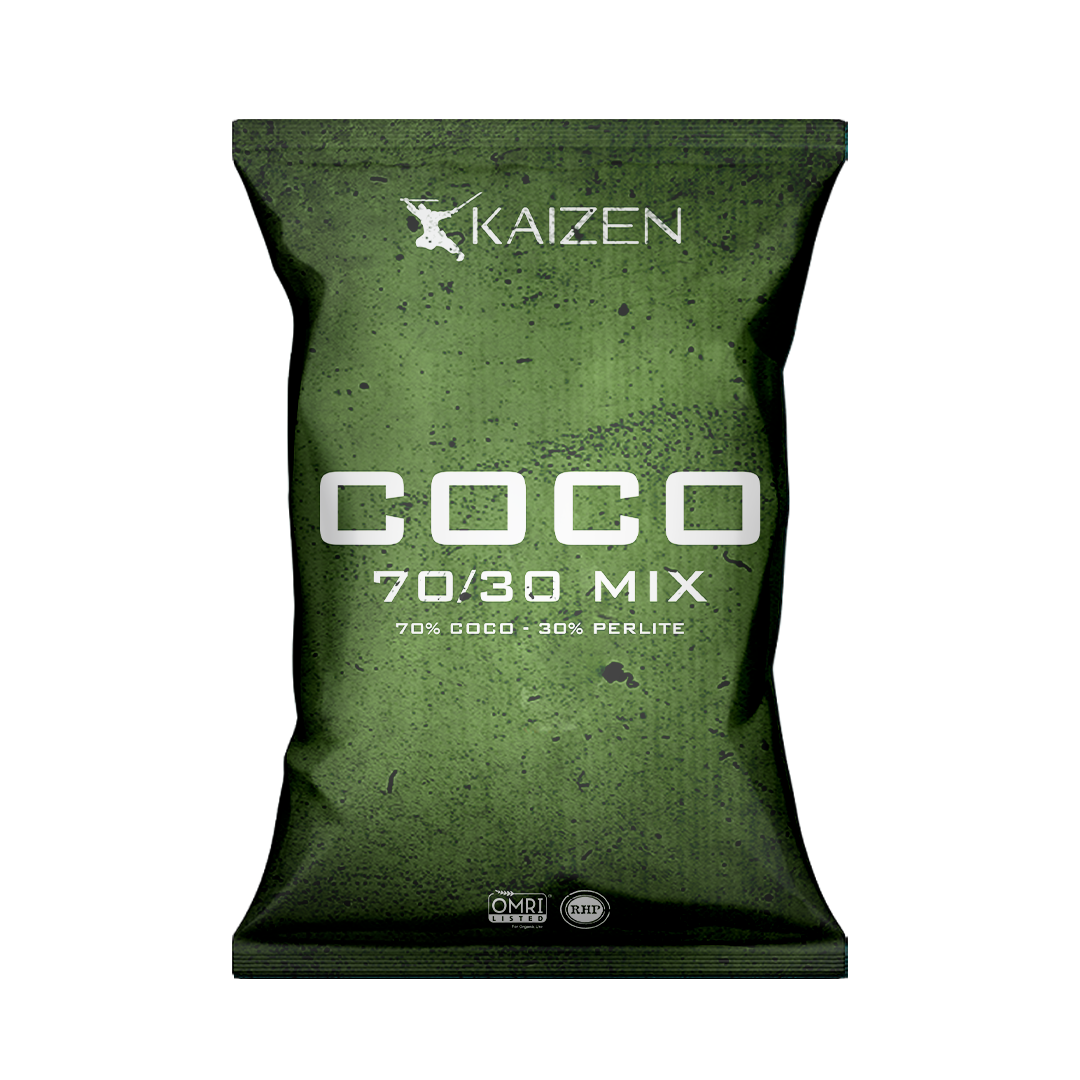
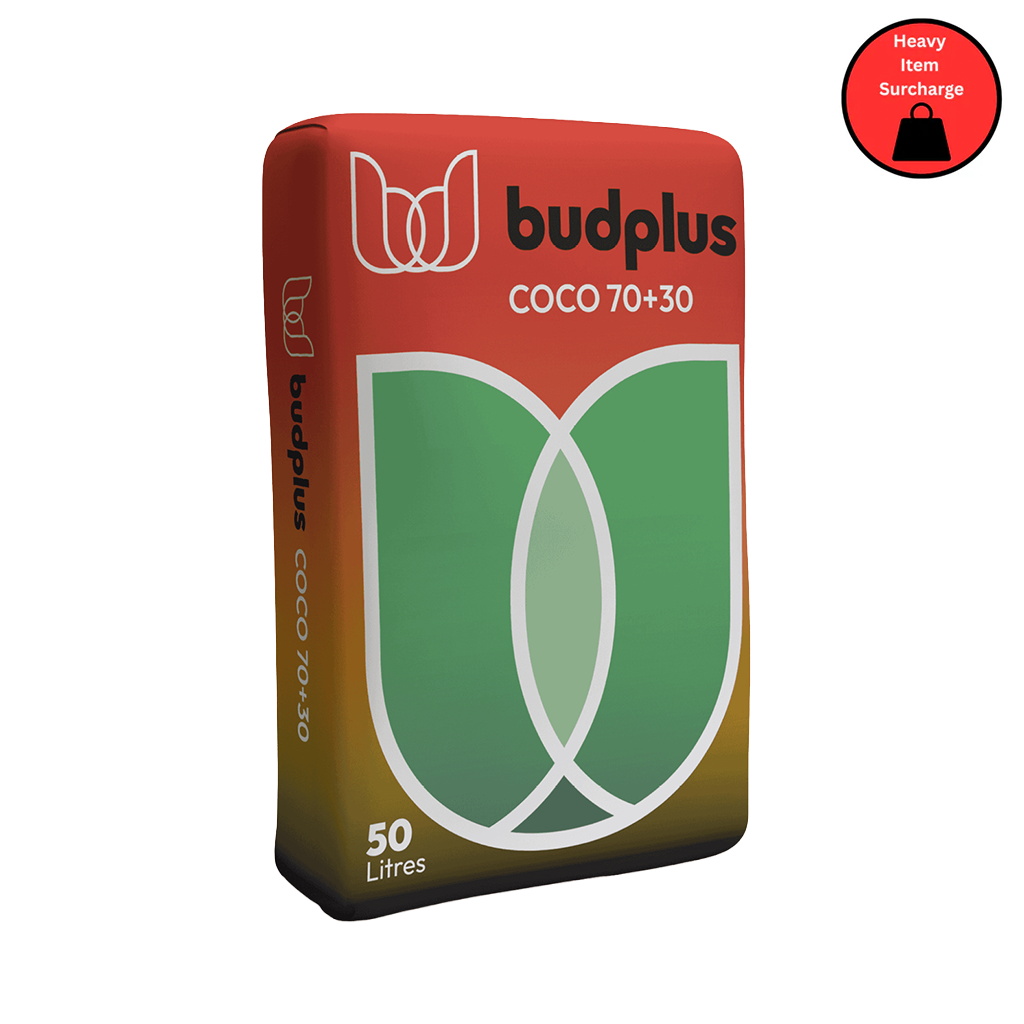
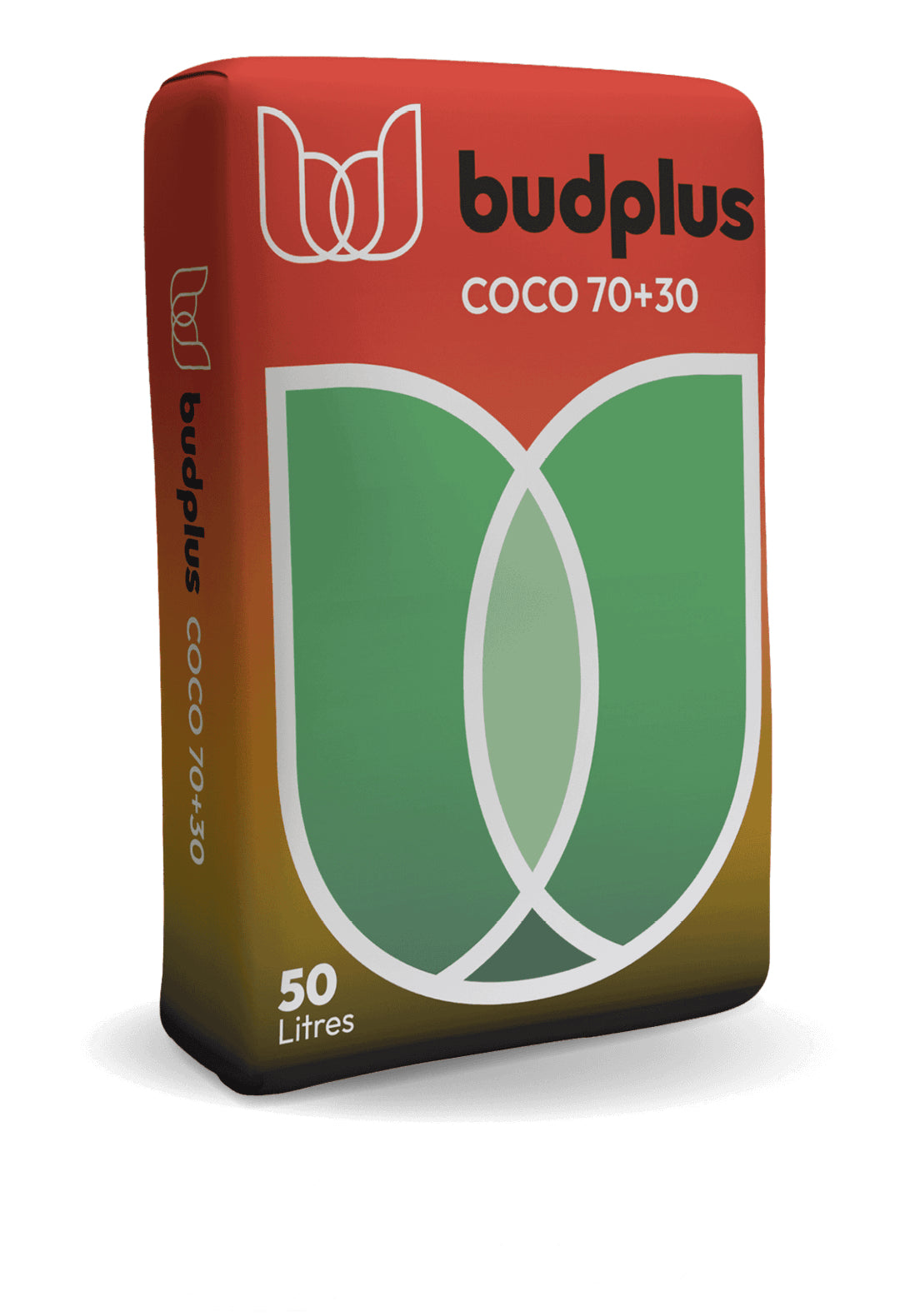
A 70/30 product normally combines a larger proportion of coco with a smaller proportion of perlite. This retains much of coco's moisture-holding behaviour while increasing drainage and aeration. Check the product description to confirm which component each number represents rather than relying on the name alone.
60/40 coco and clay-pebble mixes
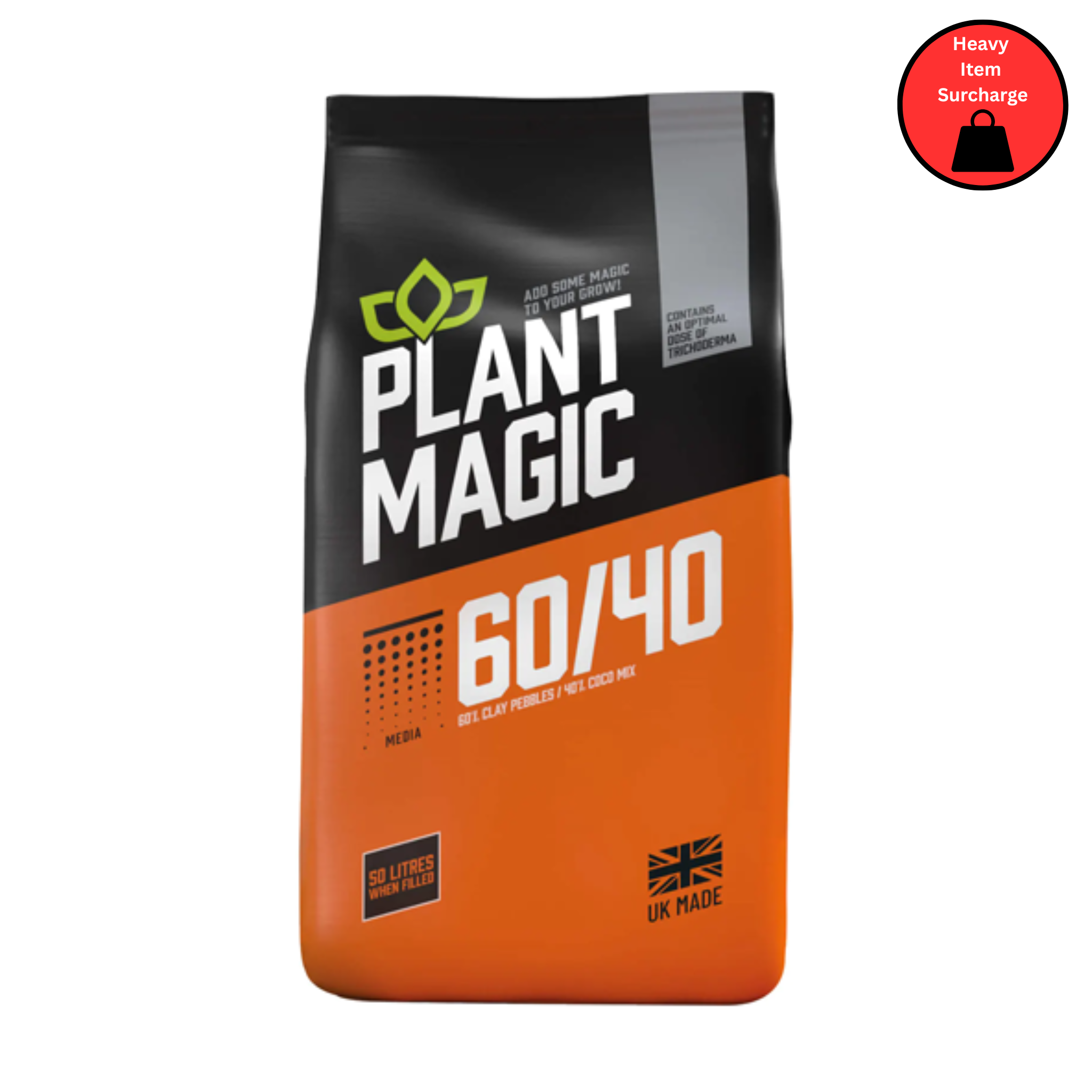
Products described as 60/40 may contain a higher proportion of clay pebbles or coco depending on the manufacturer's formulation and naming order. Mixes with substantial clay content are typically more open and free draining than pure coco, making accurate irrigation scheduling especially important.
50/30/20 multi-component mixes
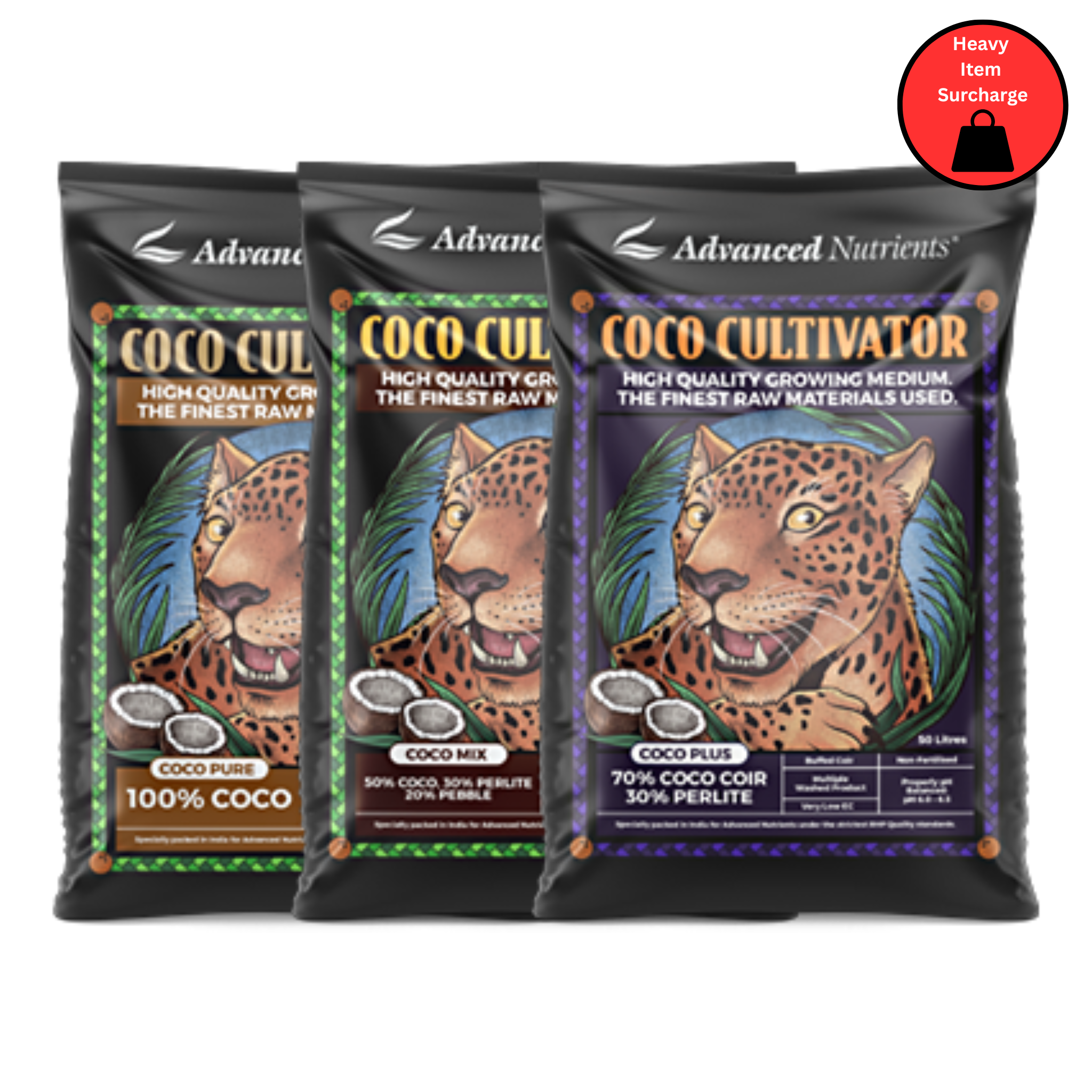
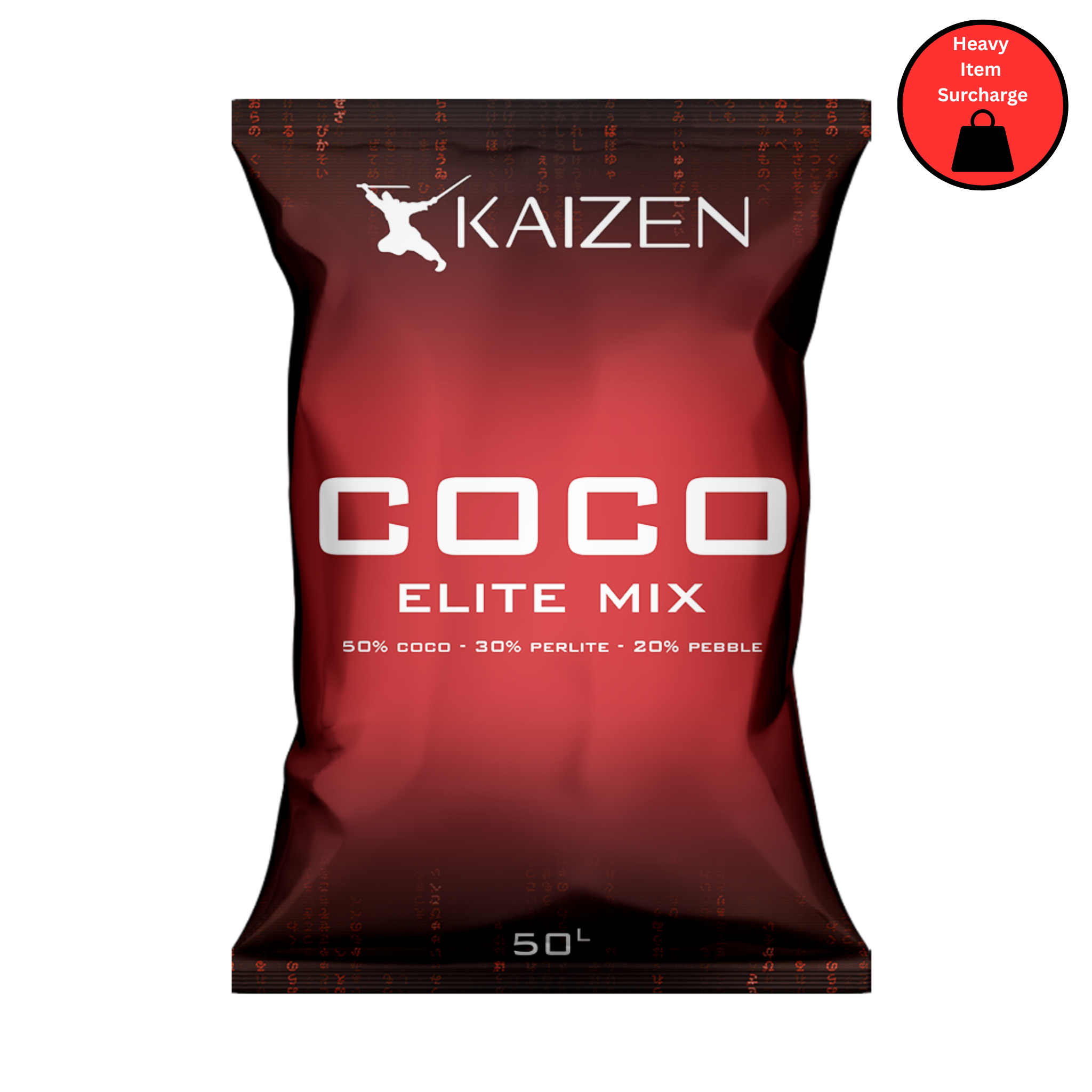
Three-part blends combine coco, perlite and clay pebbles in one substrate. They are designed to balance moisture retention with two different forms of structural aeration. Confirm the exact ingredient order and proportions on the chosen product because a three-number name is not meaningful without its formulation details.
Choosing a coco blend for your hydroponic system
- Check system compatibility: use a blend recommended for the irrigation method and container design.
- Consider watering frequency: a more open mix can require shorter intervals or more frequent feeds.
- Compare particle structure: perlite produces a light blend, while clay pebbles add larger, firmer particles.
- Confirm whether the coco is buffered: preparation requirements differ between products.
- Match the pack size to your pots: calculate the total media volume before ordering.
- Use the stated ratio: do not assume products with similar names behave identically.
Flood-and-drain systems often benefit from a structured, free-draining substrate, while drip-fed or hand-watered pots may use a wide range of coco blends depending on feed frequency. If a manufacturer lists a specific system or preparation method, follow that guidance rather than selecting only by ratio.
Feeding plants in coco blends
Many coco, perlite and clay-pebble substrates contain little or no immediately available nutrition. Use an appropriate feeding programme for the selected medium and plant, following the nutrient manufacturer's directions. Never assume that a pre-mixed substrate is pre-fertilised unless its product information specifically says so.
Measure feeds accurately, add concentrated products to water separately and check the finished solution where required. Our coco nutrients collection includes base feeds formulated for coco-based growing, while pH and EC meters help growers monitor prepared solutions.
Preparing and using a coco mix
- Read the product instructions before filling pots or connecting irrigation.
- Loosen compacted media gently so the blend is evenly distributed.
- Do not crush the perlite or clay particles while handling the substrate.
- Pre-treat or hydrate the mix only where directed by the manufacturer.
- Check initial drainage before placing the complete system into operation.
- Adjust irrigation from observed moisture levels and plant response, not a fixed assumption.
Store unused growing media in a clean, dry place with the bag sealed against contamination. Handle lightweight particles carefully, avoid creating dust and follow any safety directions printed on the packaging.
Compare coco blends with other growing media
Choose pure coco coir when you want to control the blend yourself, or compare standalone clay pebbles and lava rock for highly structured hydroponic media. You can also return to our Growing Media hub for soil mixes, propagation media, organic substrates and other root-zone options.
Why buy coco blends from Holland Horticulture?
Established in 1996, Holland Horticulture supplies coco coir, mixed substrates and hydroponic equipment to beginners, experienced indoor gardeners and commercial growers. Our range includes recognised blends from CANNA, Gold Label, Plant Magic, Advanced Nutrients, Kaizen and other established manufacturers, supported by experienced advice, UK delivery and Click & Collect.
Coco blends and mixes FAQs
Is a coco-perlite mix better than pure coco?
Neither is universally better. Perlite makes the substrate more open and free draining, while pure coco generally retains more moisture. The right option depends on the irrigation method, environment and how frequently you intend to feed.
What is a 70/30 coco mix?
It commonly refers to a blend containing 70% coco and 30% perlite, although the exact formulation should always be confirmed on the product page or packaging. Manufacturers can present ingredient names and ratios differently.
Are coco and clay-pebble mixes suitable for flood and drain?
Many coco-clay blends are designed for flood-and-drain or other pot-based hydroponic systems because the clay creates an open, free-draining structure. Check the selected product's compatibility and irrigation guidance before use.
Do coco blends contain nutrients?
Many are inert or contain very little immediately available nutrition, but specifications vary. Check whether the product is plain, buffered, treated or pre-fertilised, then follow an appropriate feeding programme.
Can I make my own coco blend?
Yes. Pure coco can be combined with suitable horticultural perlite or clay pebbles, provided the components are appropriate for growing and measured consistently. Ready-mixed products are more convenient when you want a repeatable manufacturer-specified ratio.