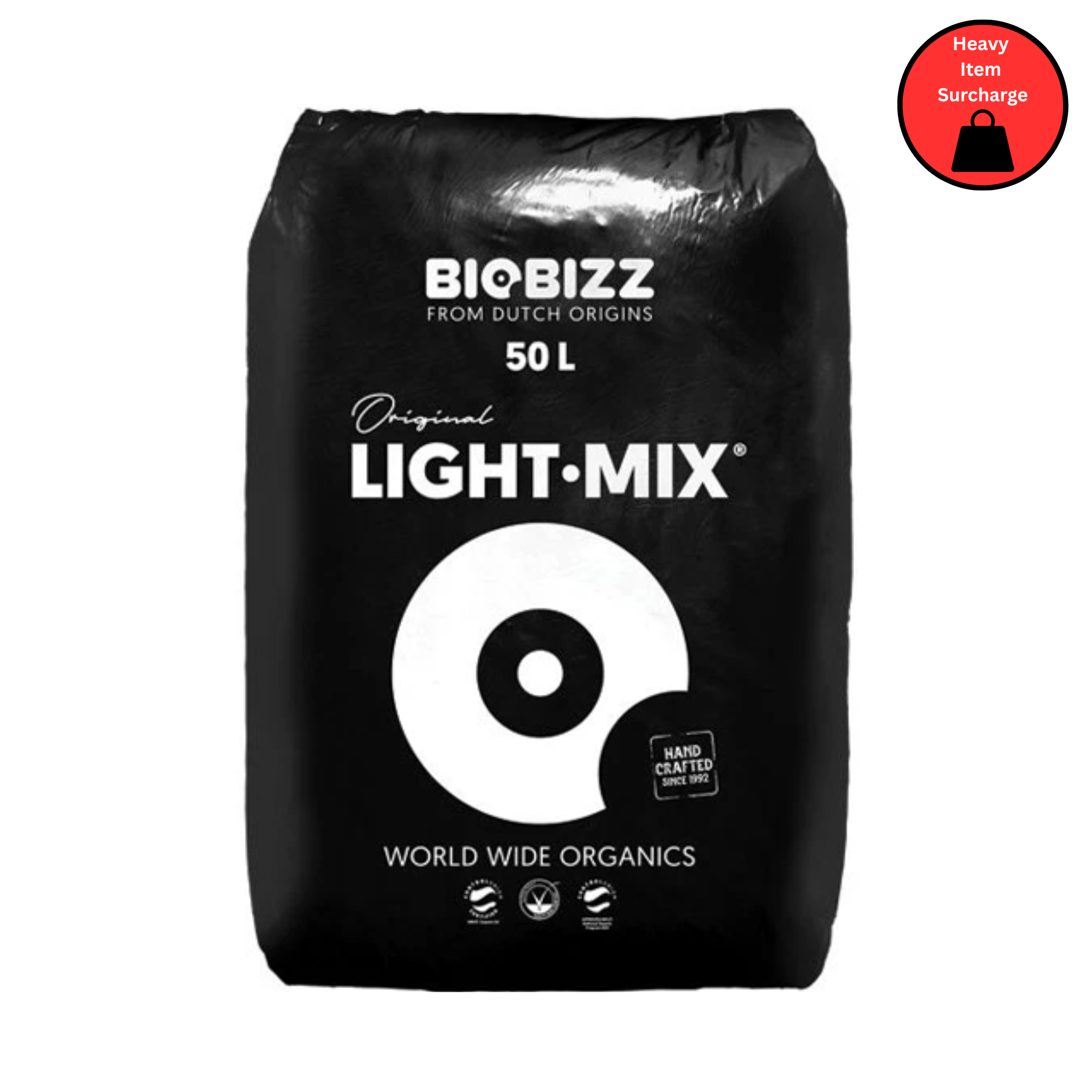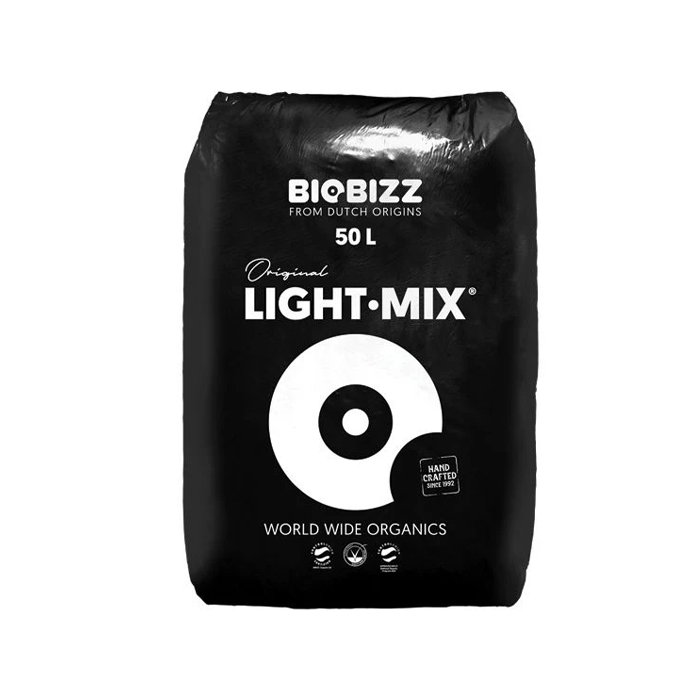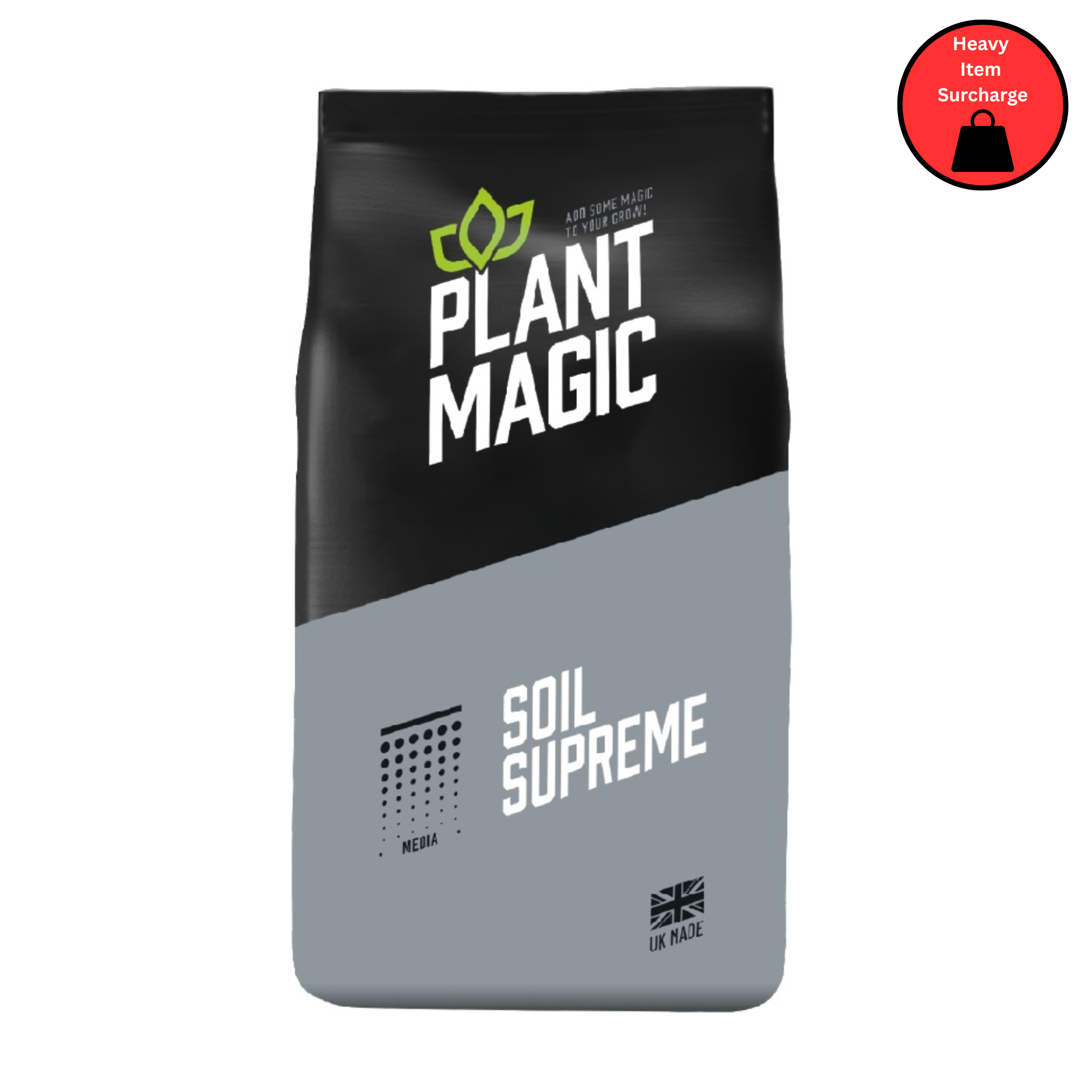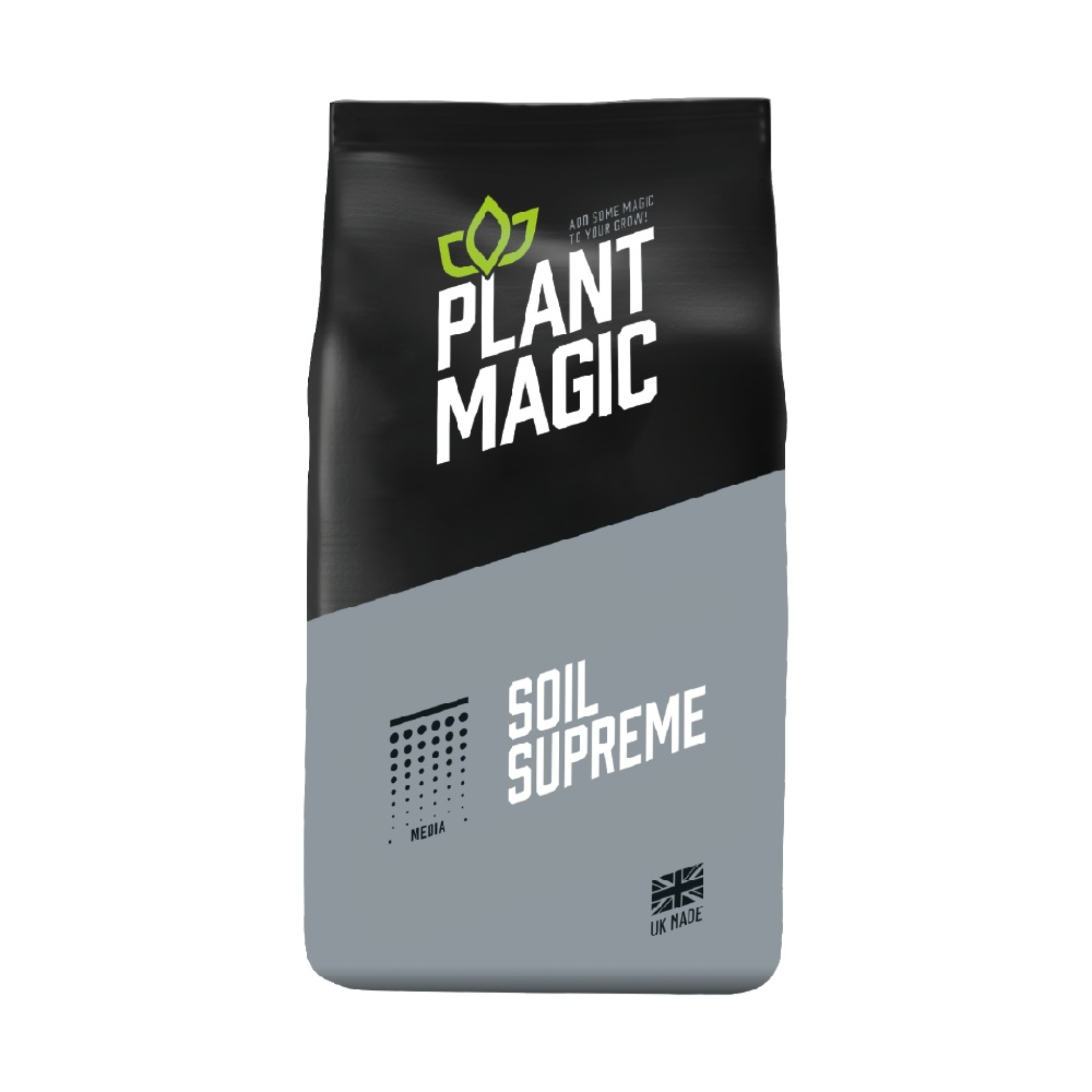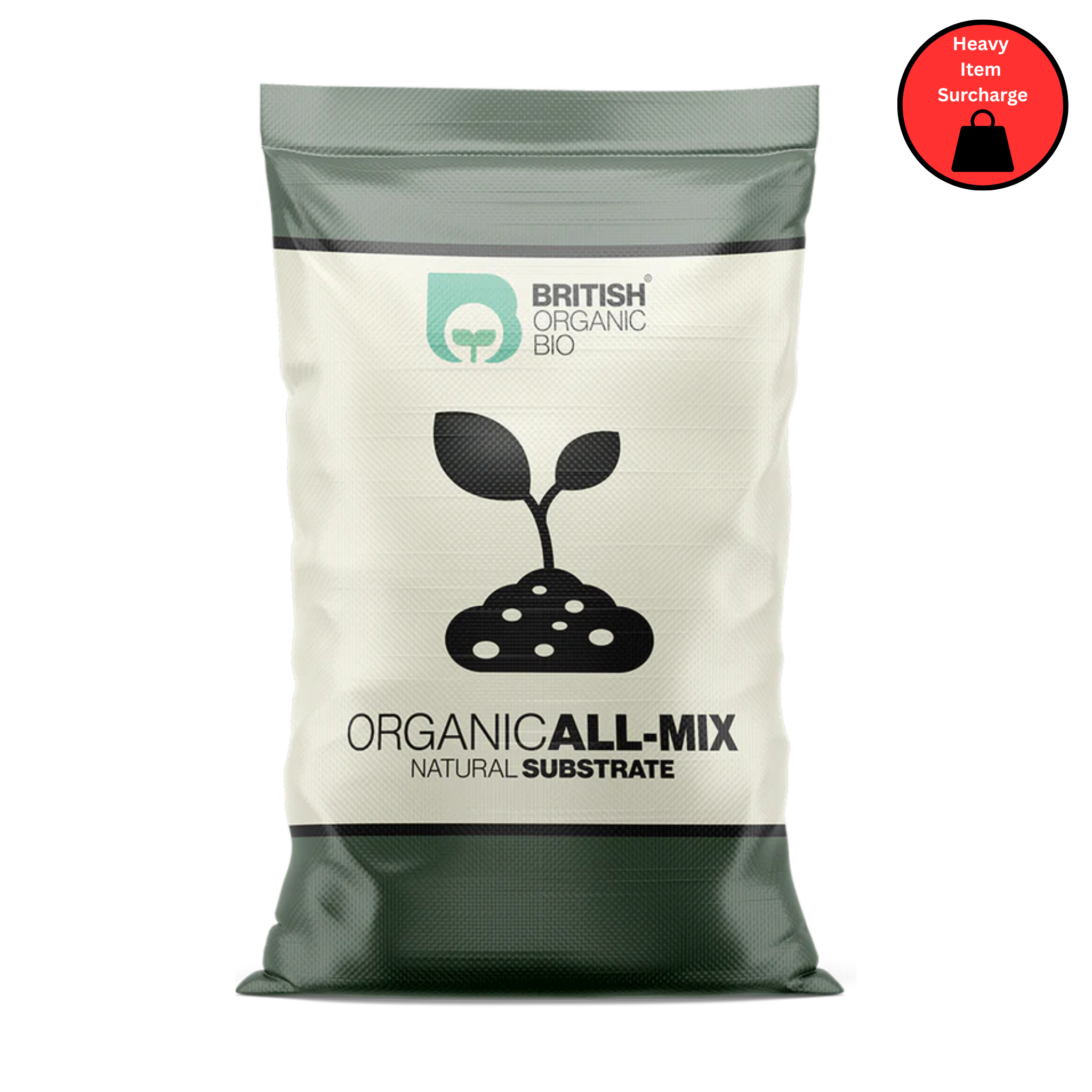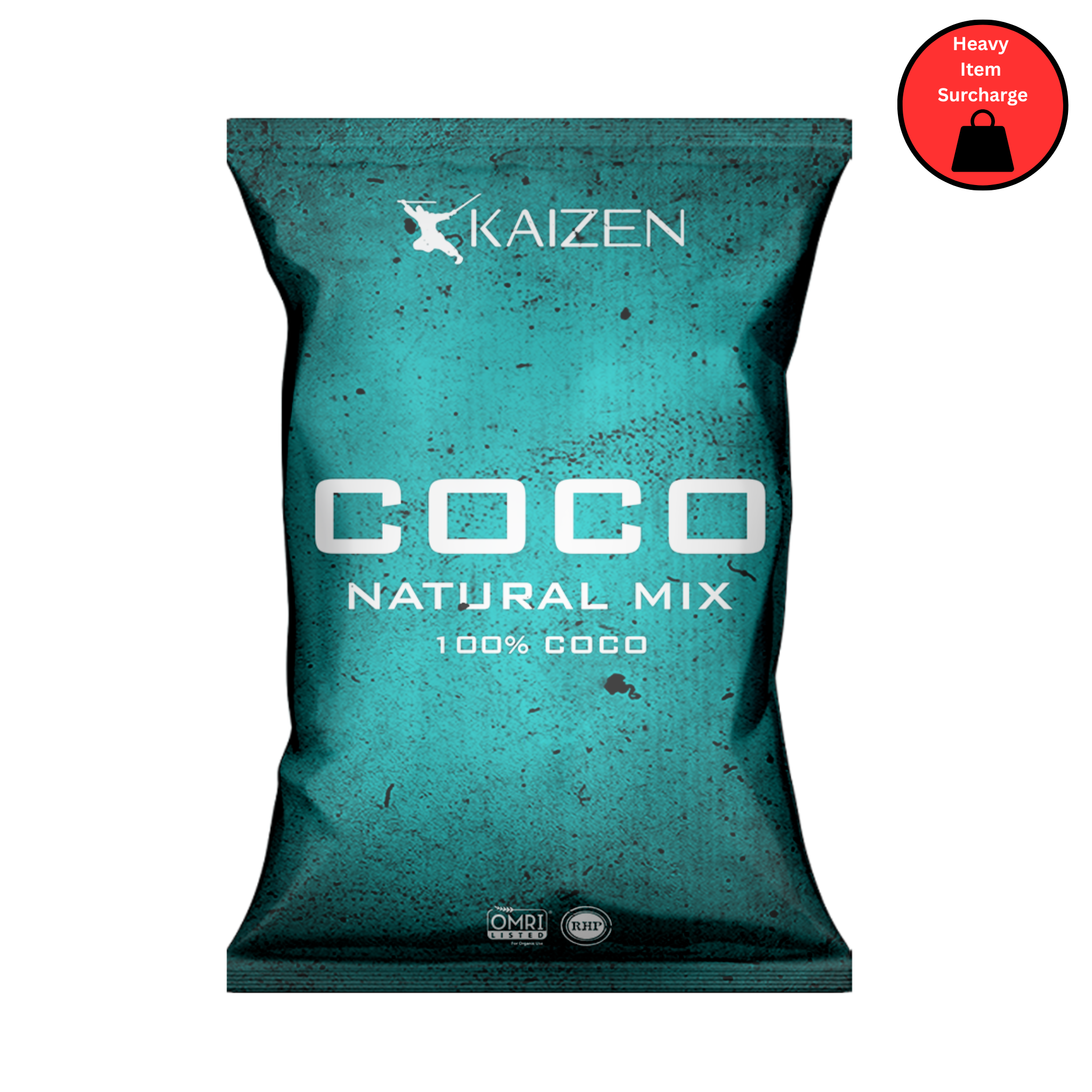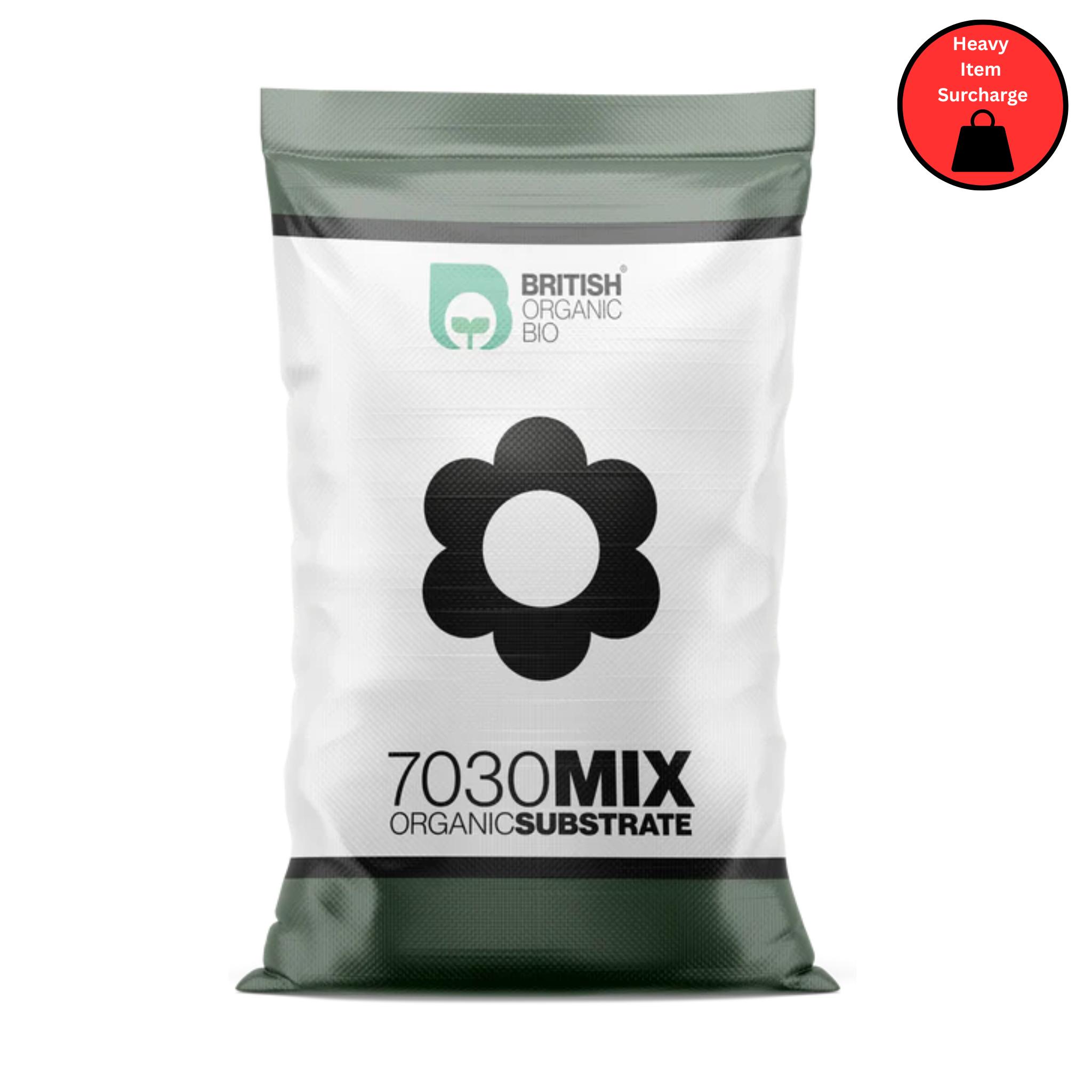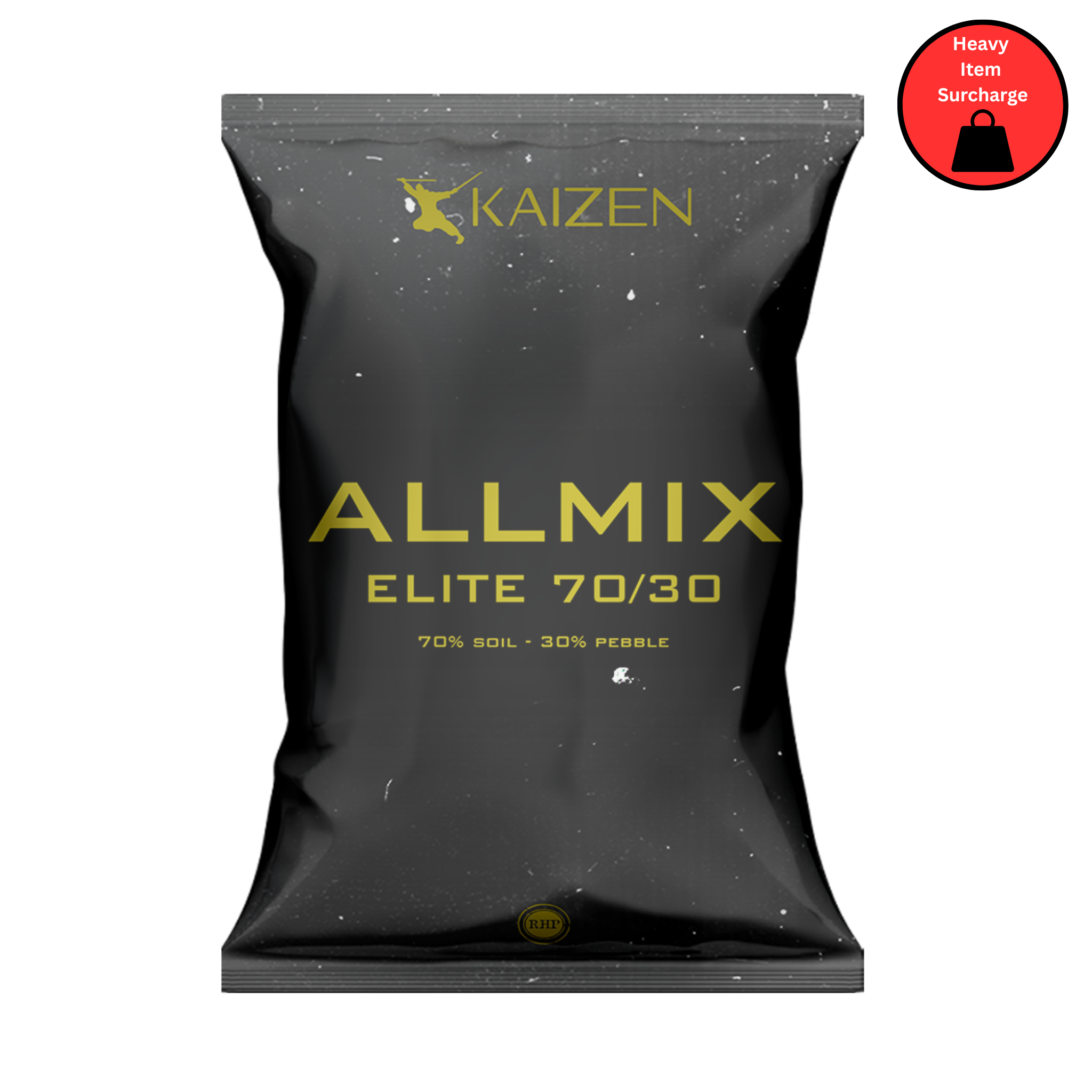
Shop organic growing media, living soil, naturally amended soil mixes, bat mixes, worm humus and coco-based substrates for indoor plants and container gardening. Compare lightly fertilised media with richer, biologically active blends to find the right root-zone environment for your plants and feeding method.
The collection includes complete growing media alongside specialist amendments, so always check whether a product is ready for direct planting or intended to be mixed into another substrate. Product-specific ingredients, certification, peat content and feeding instructions should guide your choice.
Organic growing media for indoor plants
Organic growing media are substrates positioned for organic or biologically based growing methods. Depending on the product, the formulation may contain composted materials, peat or peat alternatives, coco coir, worm castings, bat guano, biochar, minerals and other naturally derived amendments. These ingredients can support root structure, moisture management and gradual nutrient availability, but every blend behaves differently.
The word “organic” does not automatically mean that a product is certified organic, peat free, nutrient free or suitable for every organic certification scheme. It also should not be interpreted as “chemical free.” Check the individual product label and manufacturer documentation when a particular standard, ingredient or environmental claim is important to you.
Types of organic and naturally amended media
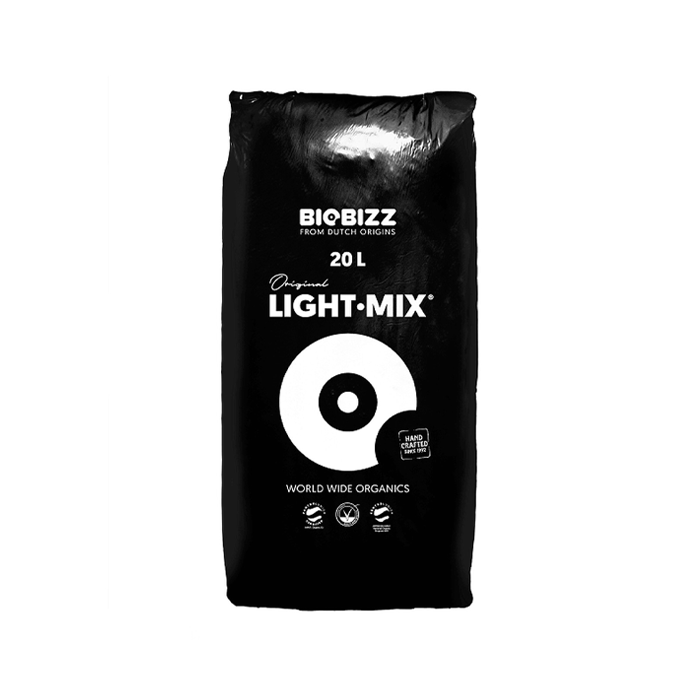
Lightly fertilised mixes
Light mixes normally contain a restrained starter nutrient charge. They give growers more control over when a separate feeding programme begins and can suit seedlings, rooted cuttings and plants that are sensitive to strongly fertilised media. “Light” does not mean completely unfertilised, so use the manufacturer’s feeding schedule rather than adding a full-strength feed immediately.
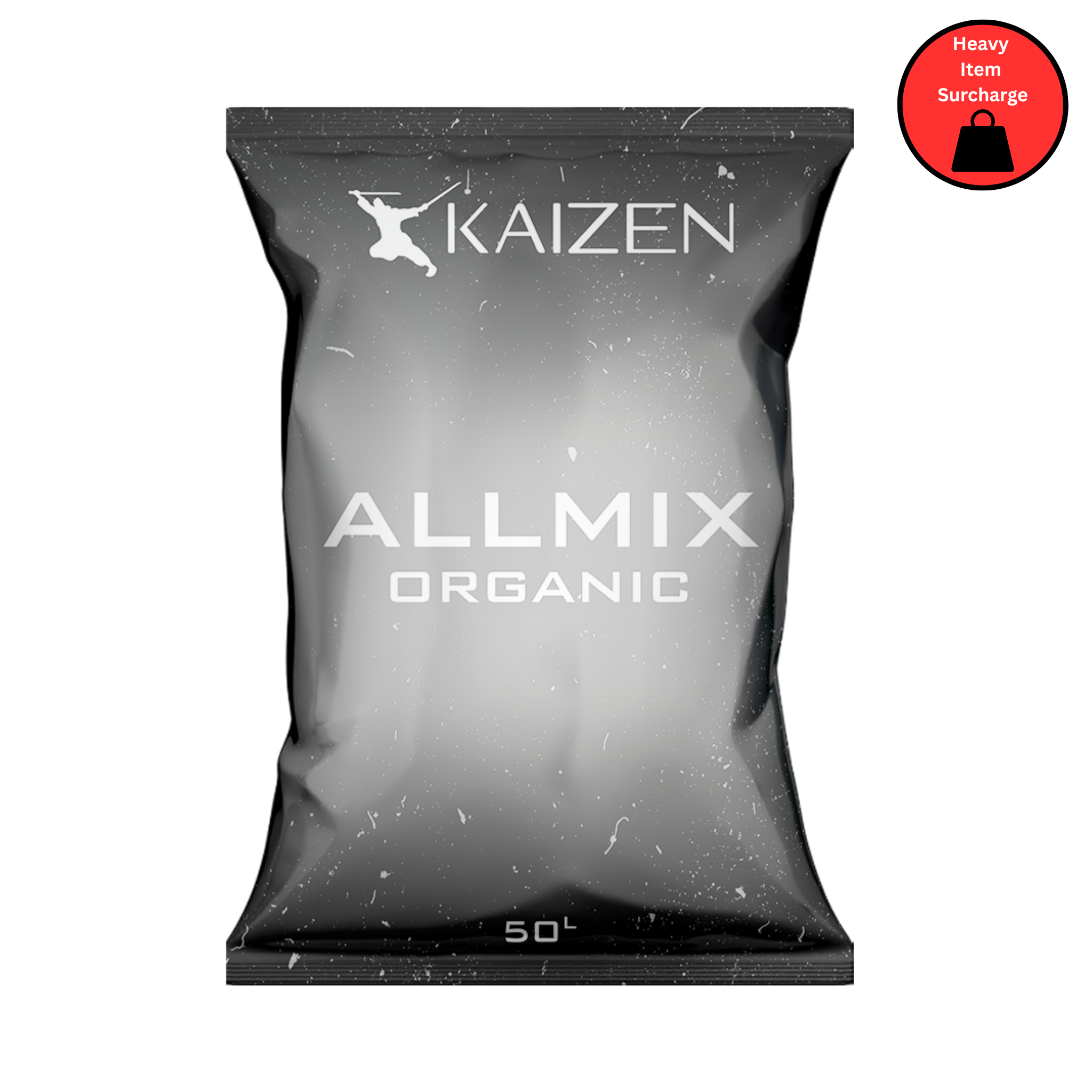
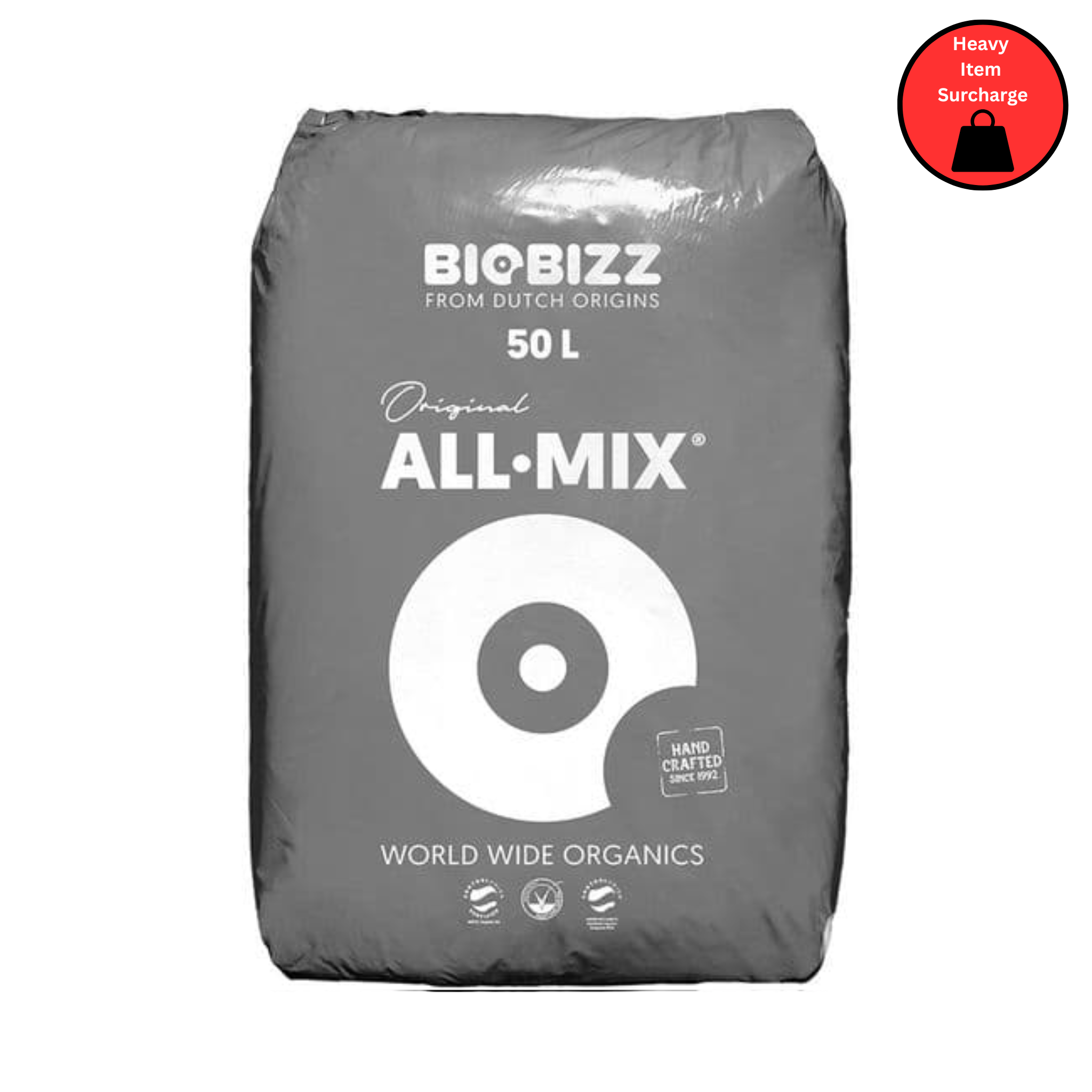
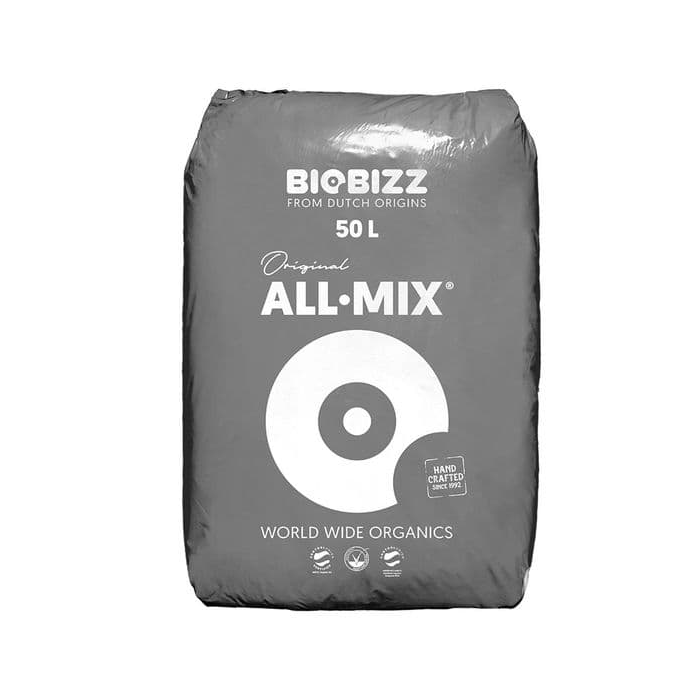
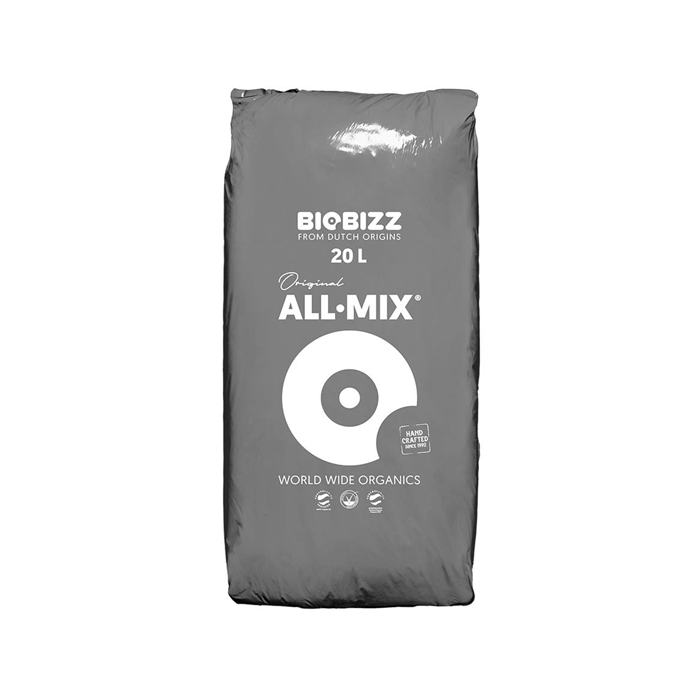
All-mix and enriched soils
All-mix products are generally richer than light mixes and may include organic fertilisers or other amendments intended to support established plants for an initial period. Their strength and duration vary by brand. Avoid combining a rich substrate with several additional nutrient products before you understand what the medium already supplies.
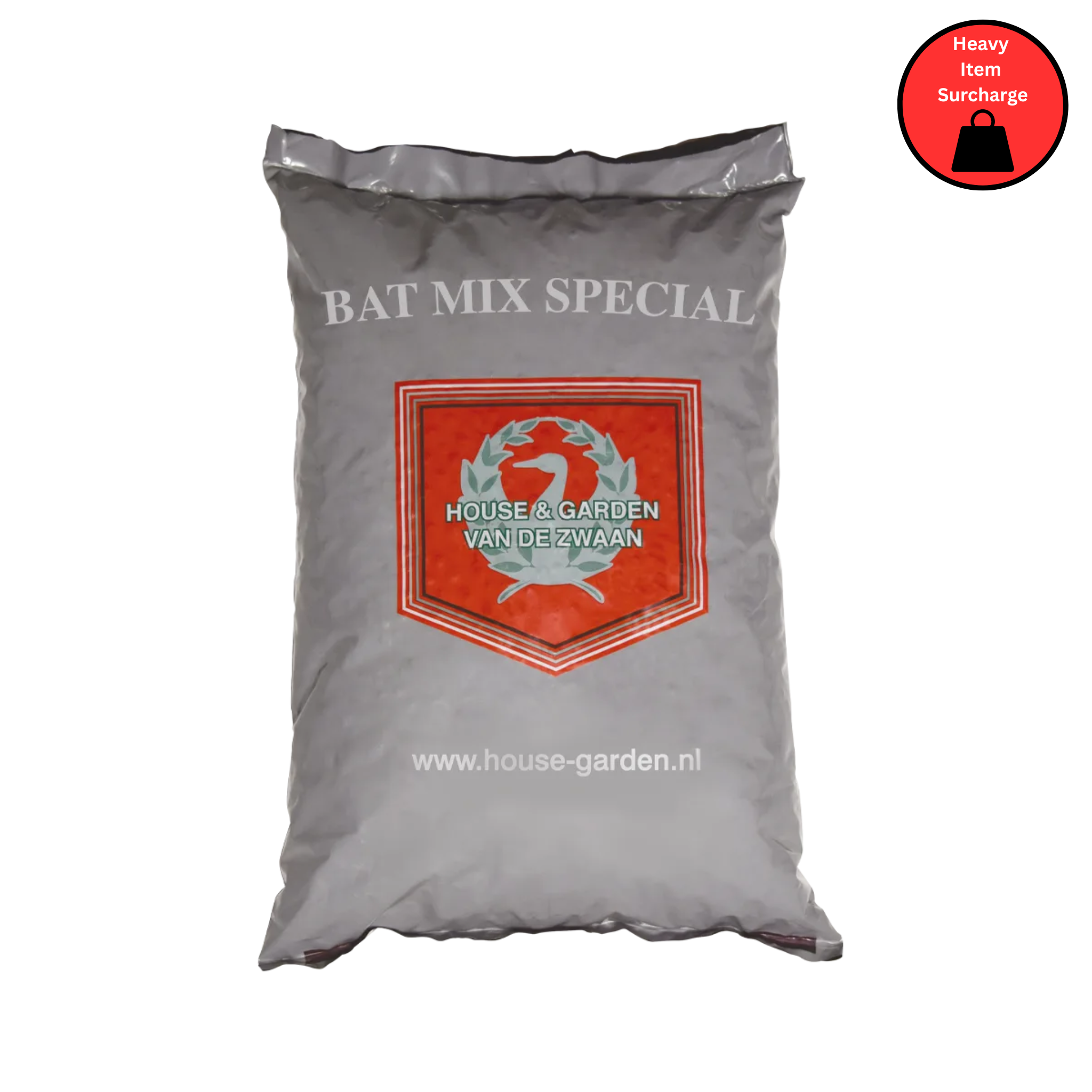
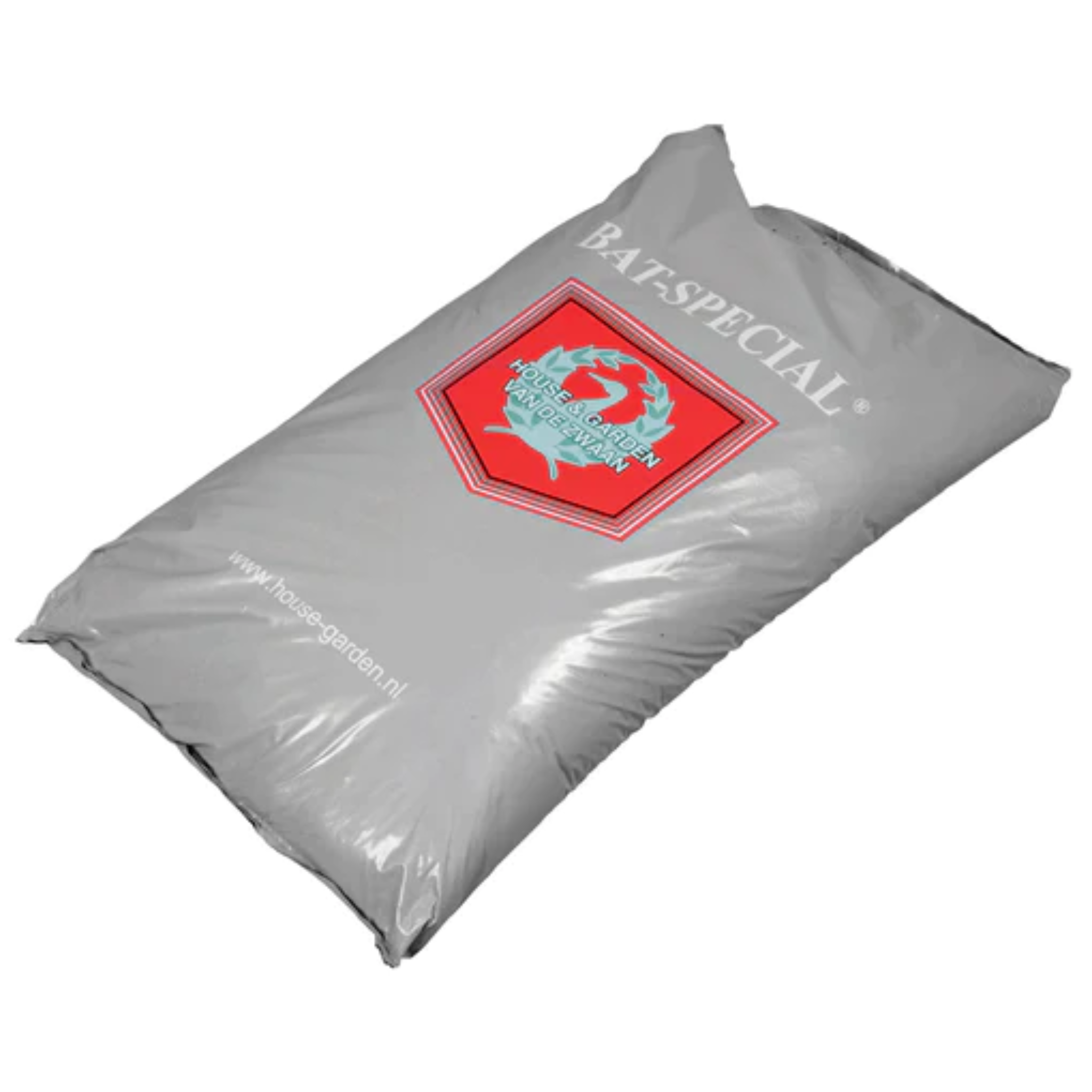
Bat mixes
Bat mixes contain bat guano alongside other growing-media ingredients. They are often nutrient rich and are usually selected for established plants rather than delicate seedlings, unless the product states otherwise. Check the complete formulation, because the amount of guano and the base substrate differ between manufacturers.
Living soil
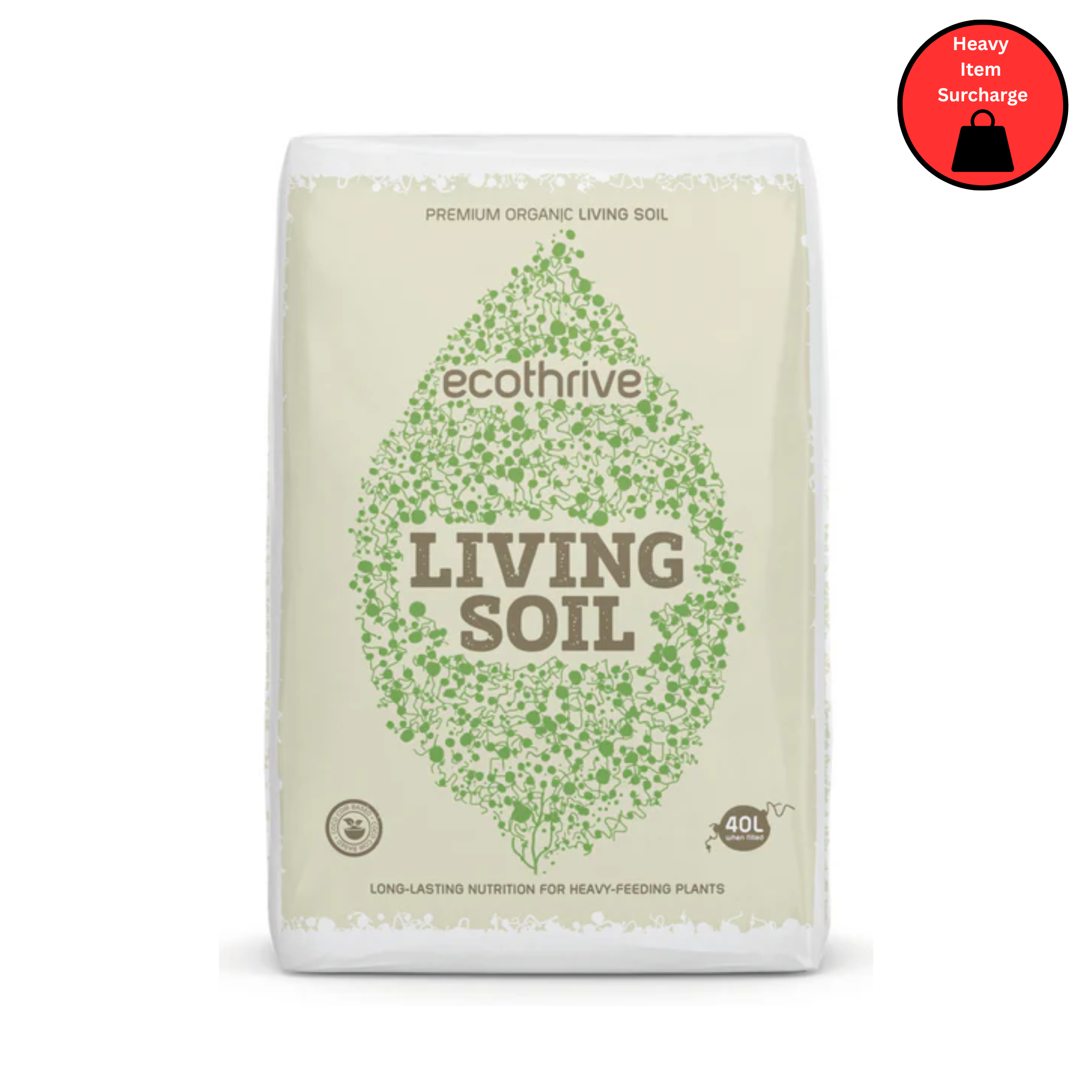
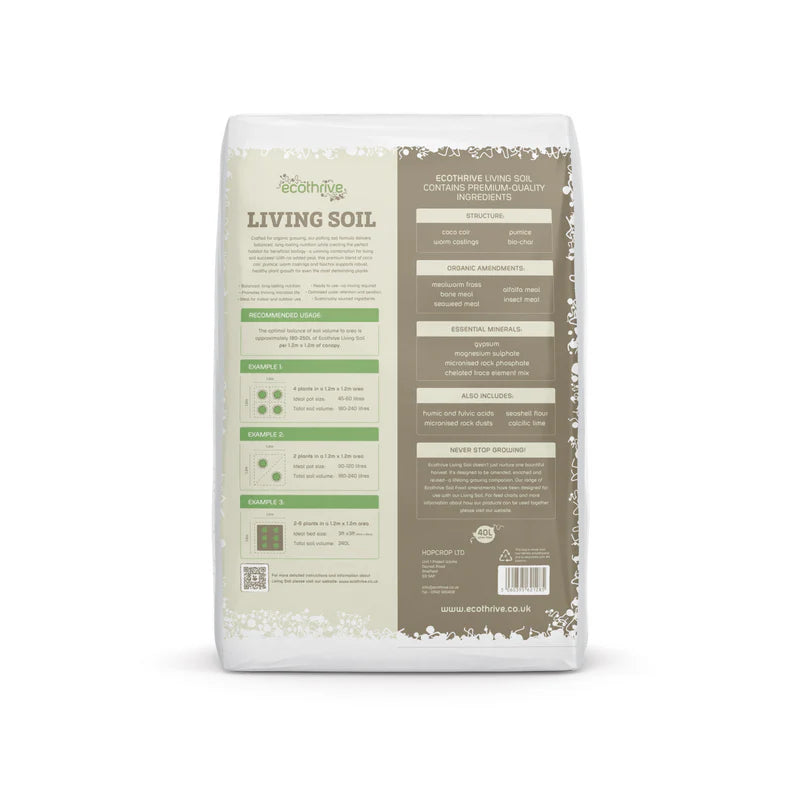
Living soil is designed around an active biological system. It may combine organic matter, mineral ingredients, microbial components and slow-release nutrition so that biological activity helps cycle nutrients in the root zone. Use it as the manufacturer intends: maintain appropriate moisture, avoid unnecessary sterilisation and confirm that additional feeds or treatments are compatible with the living-soil method.
Worm humus and soil amendments
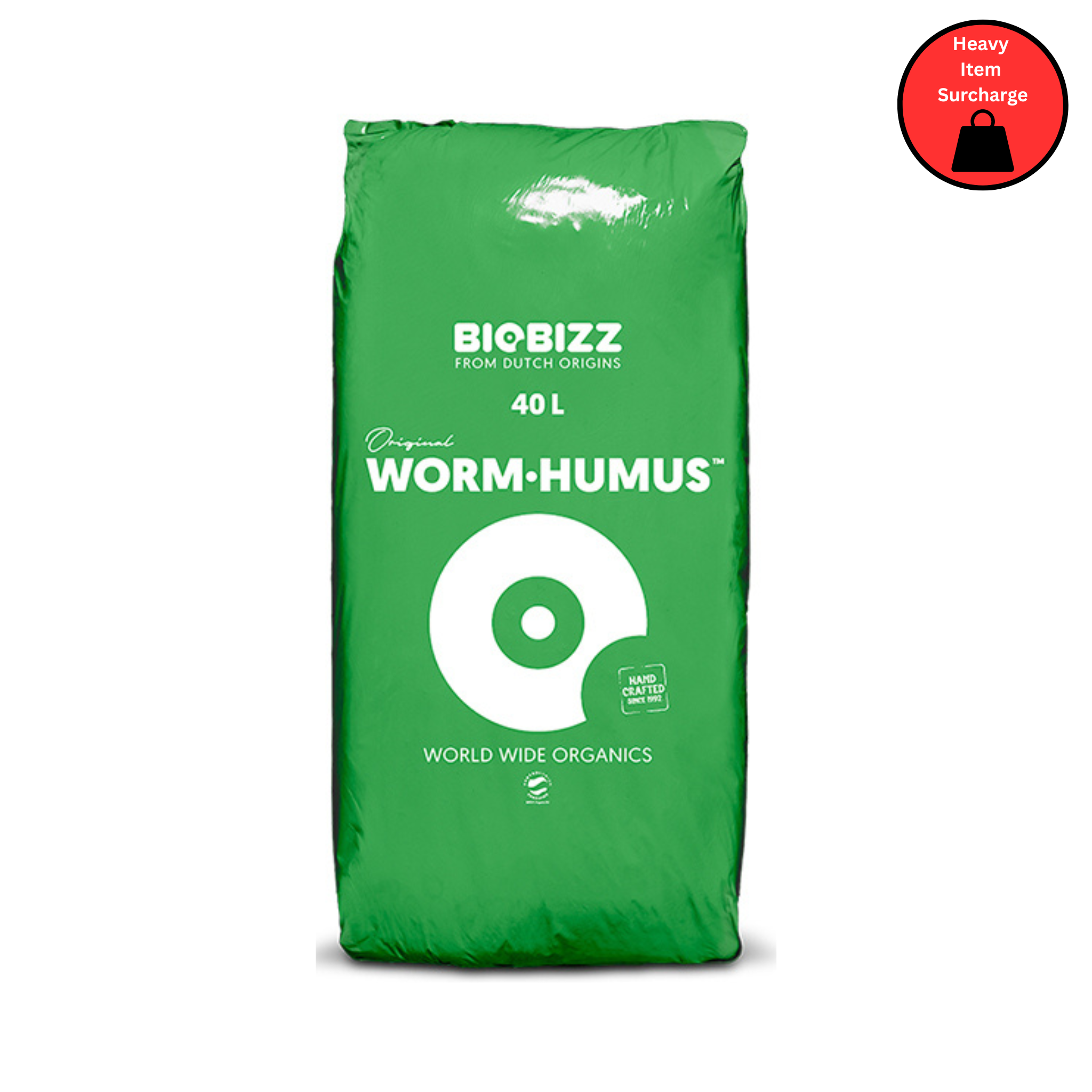
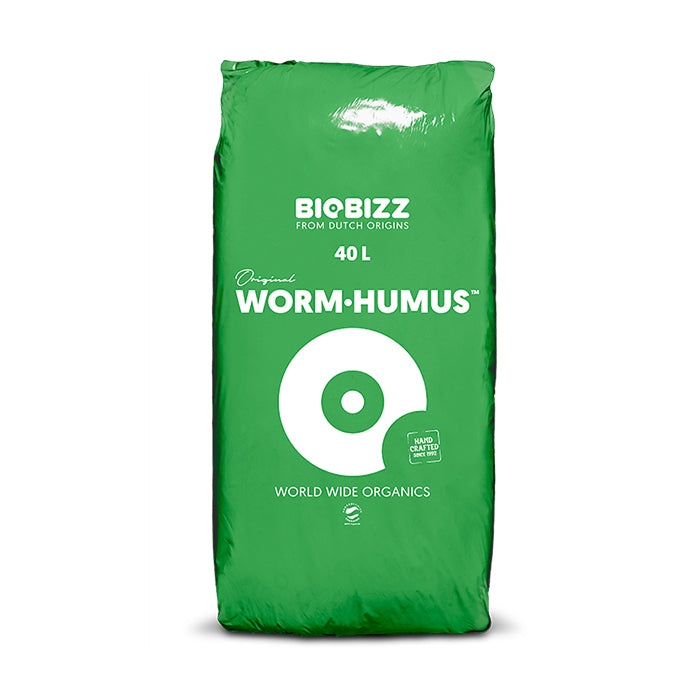
Worm humus, worm castings and similar amendments add organic matter and may contribute nutrients or biological activity, but they are not always complete growing media. Follow a measured recipe or the manufacturer’s application rate. Filling a container entirely with an amendment intended for blending can create unsuitable moisture, structure or nutrient conditions.
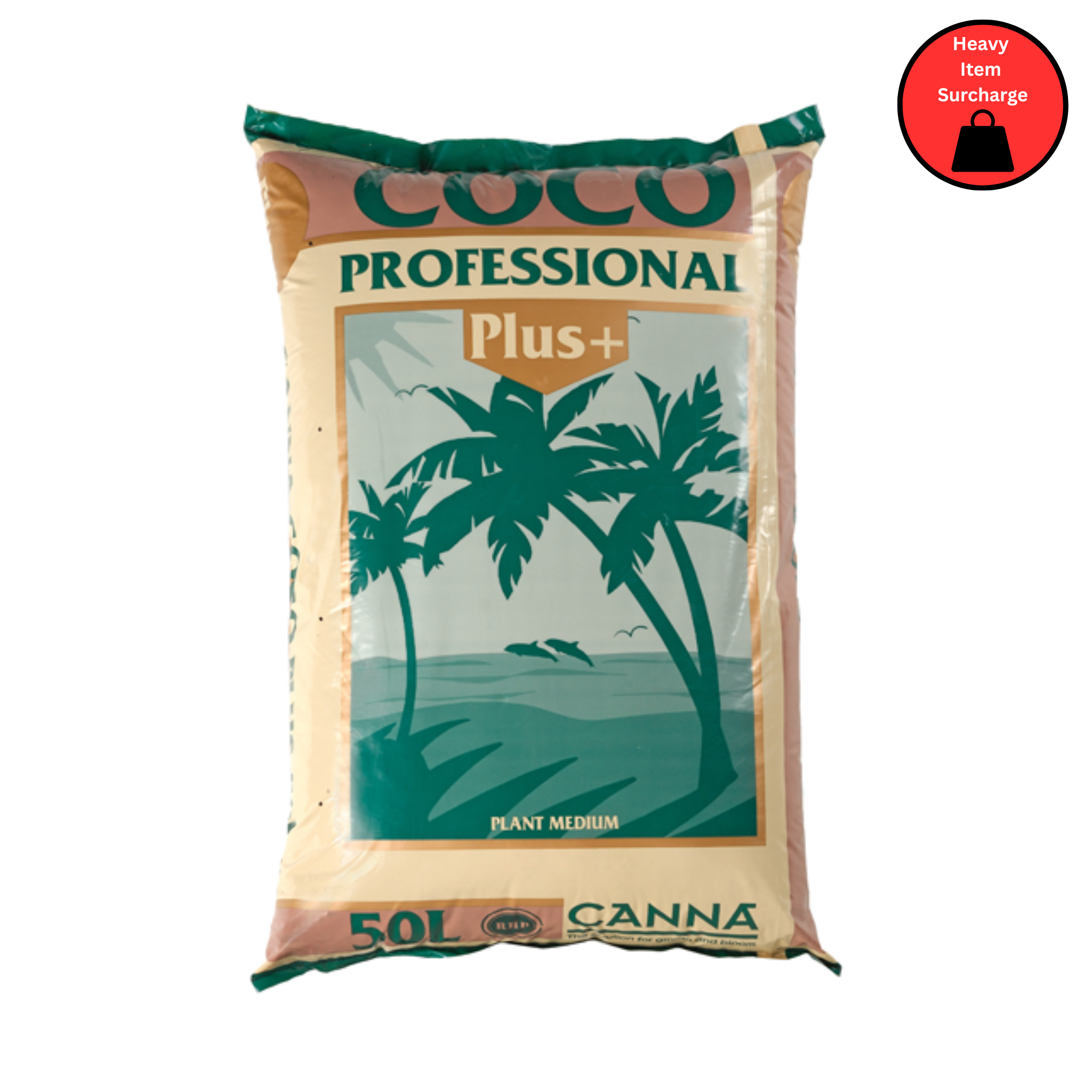
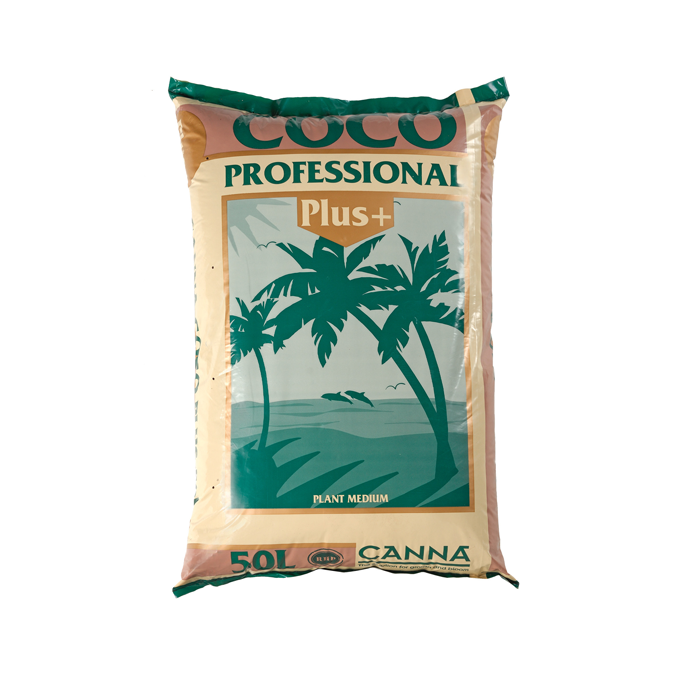
Organic-compatible coco media
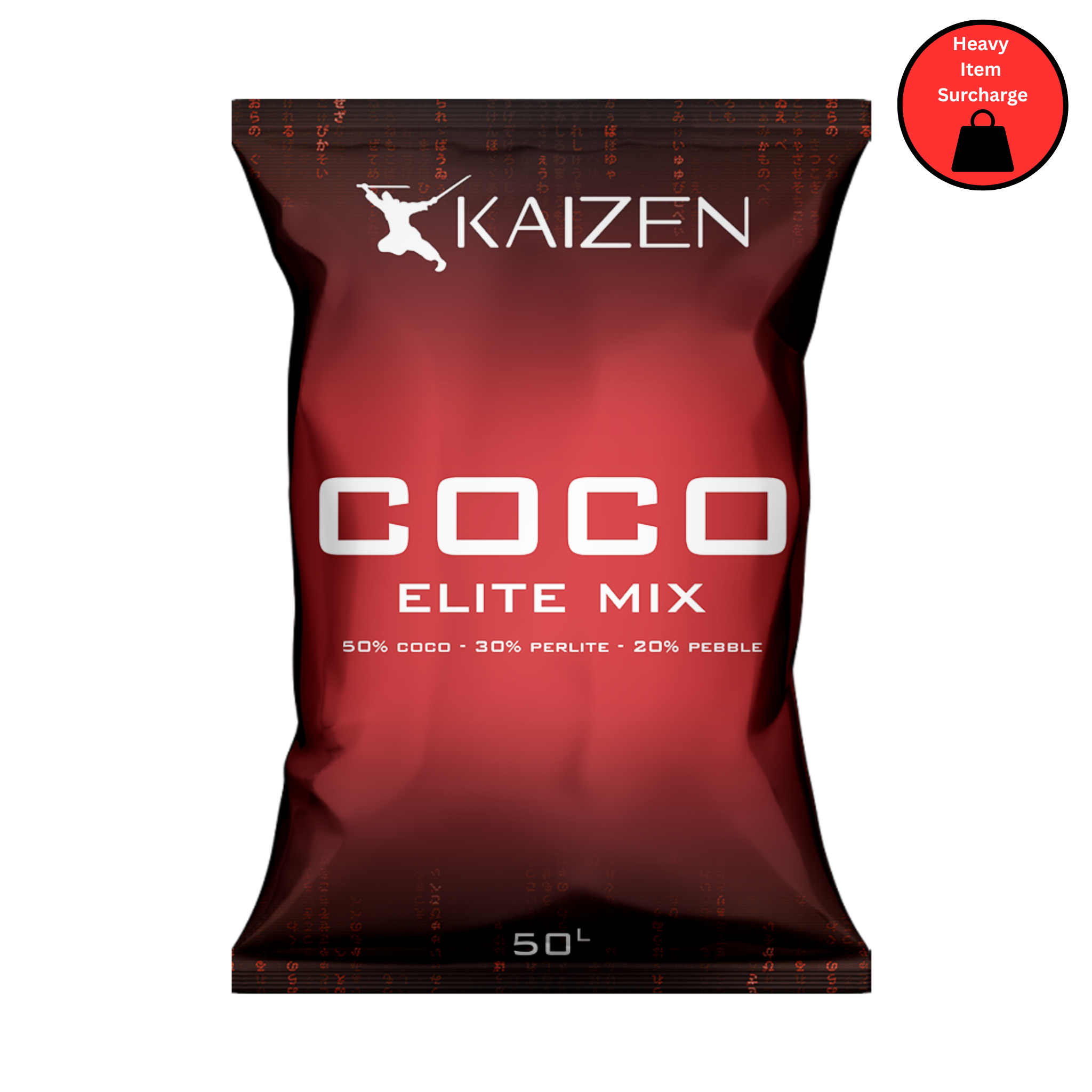
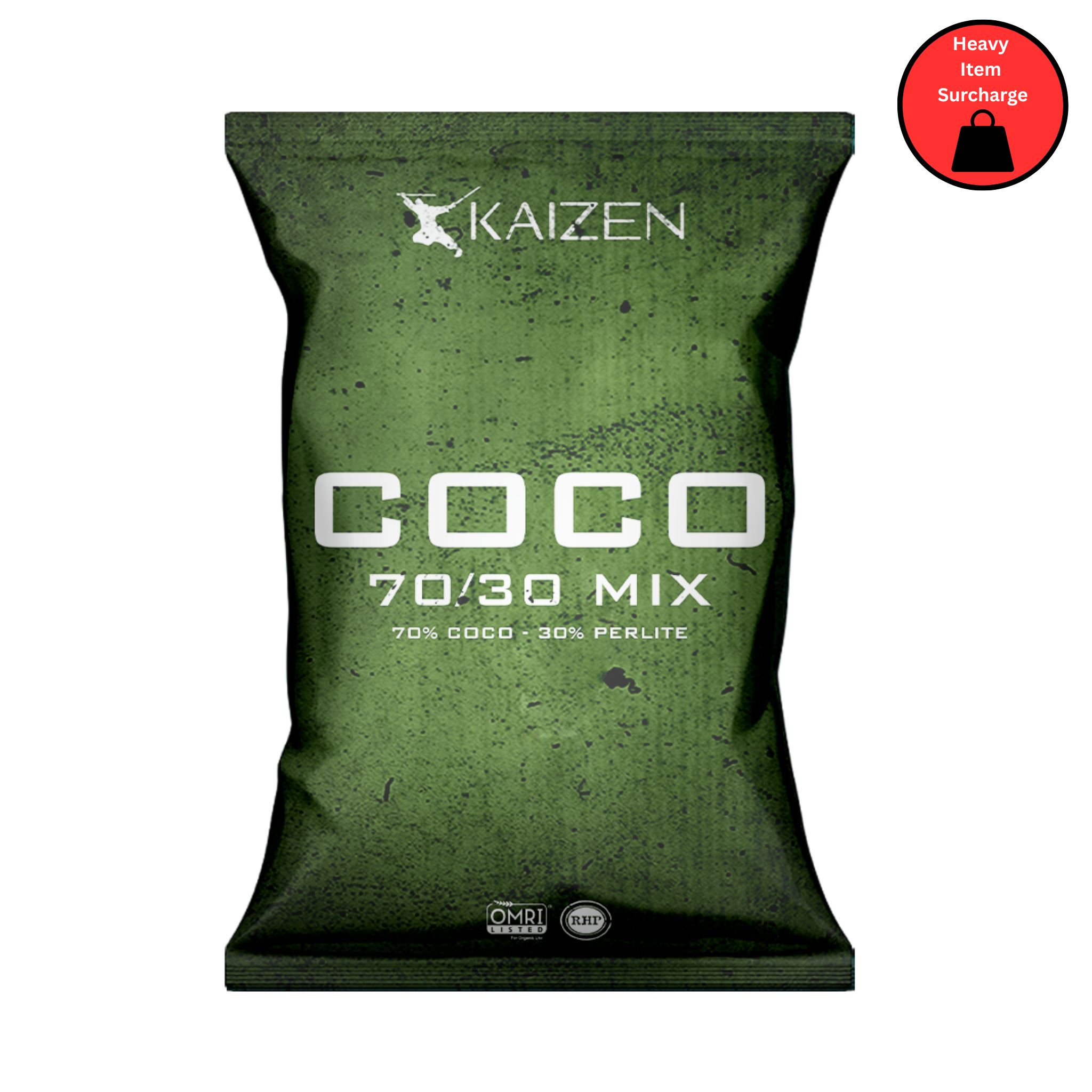
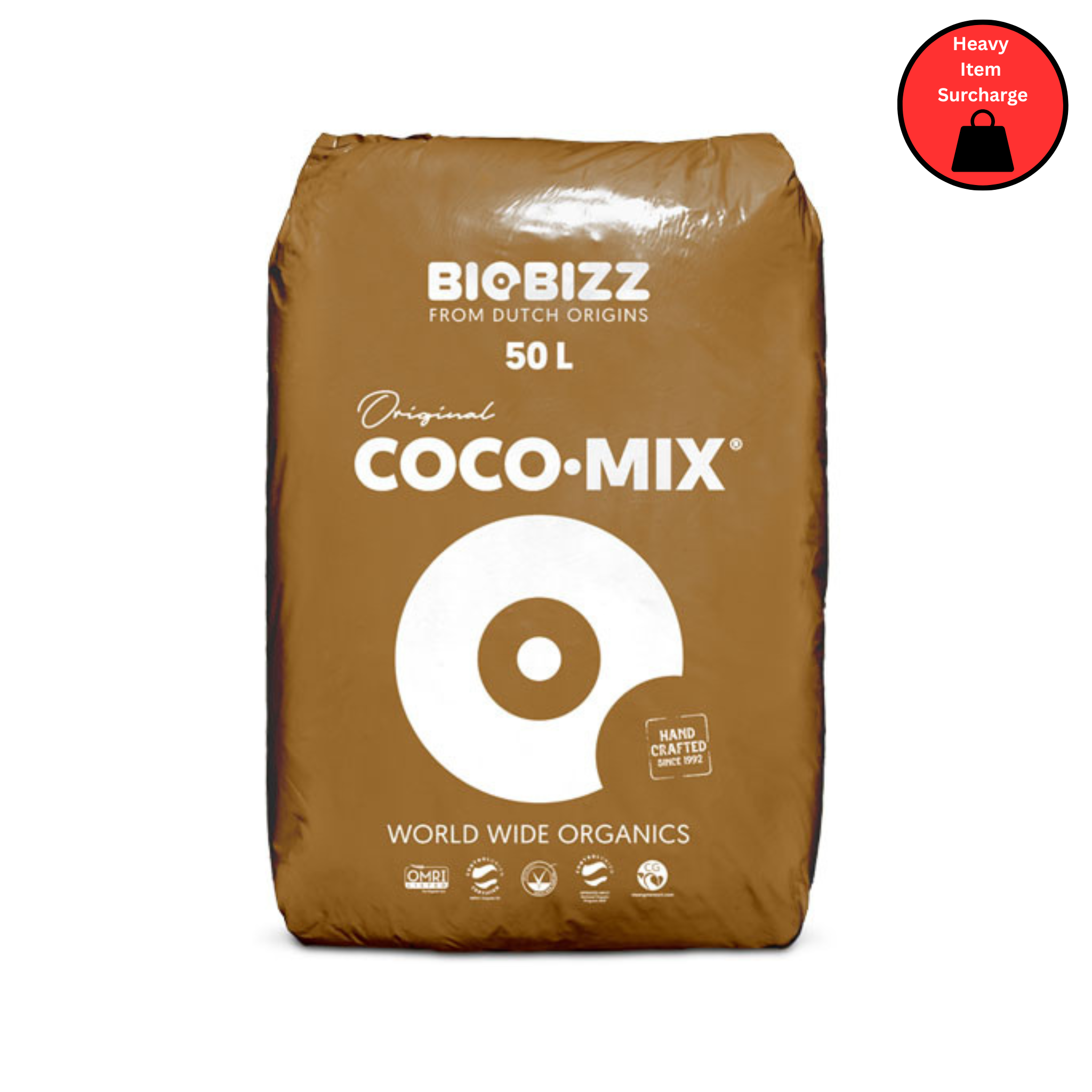
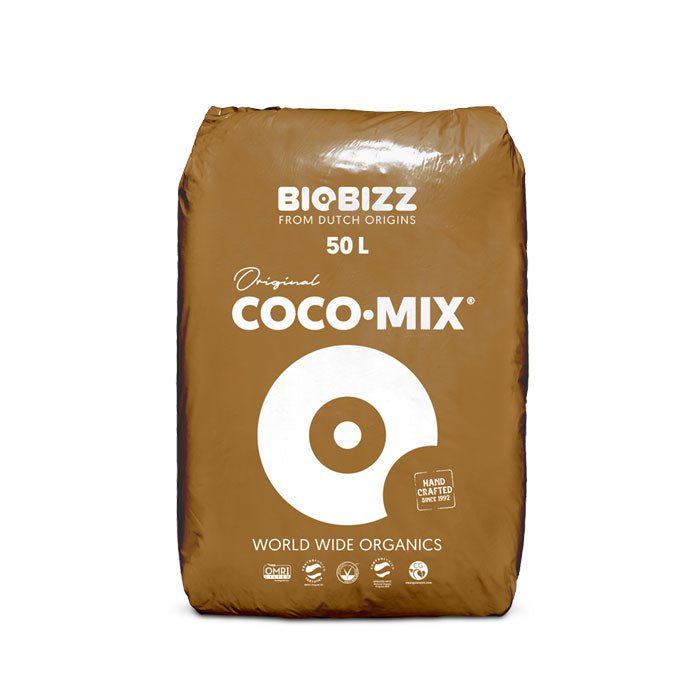
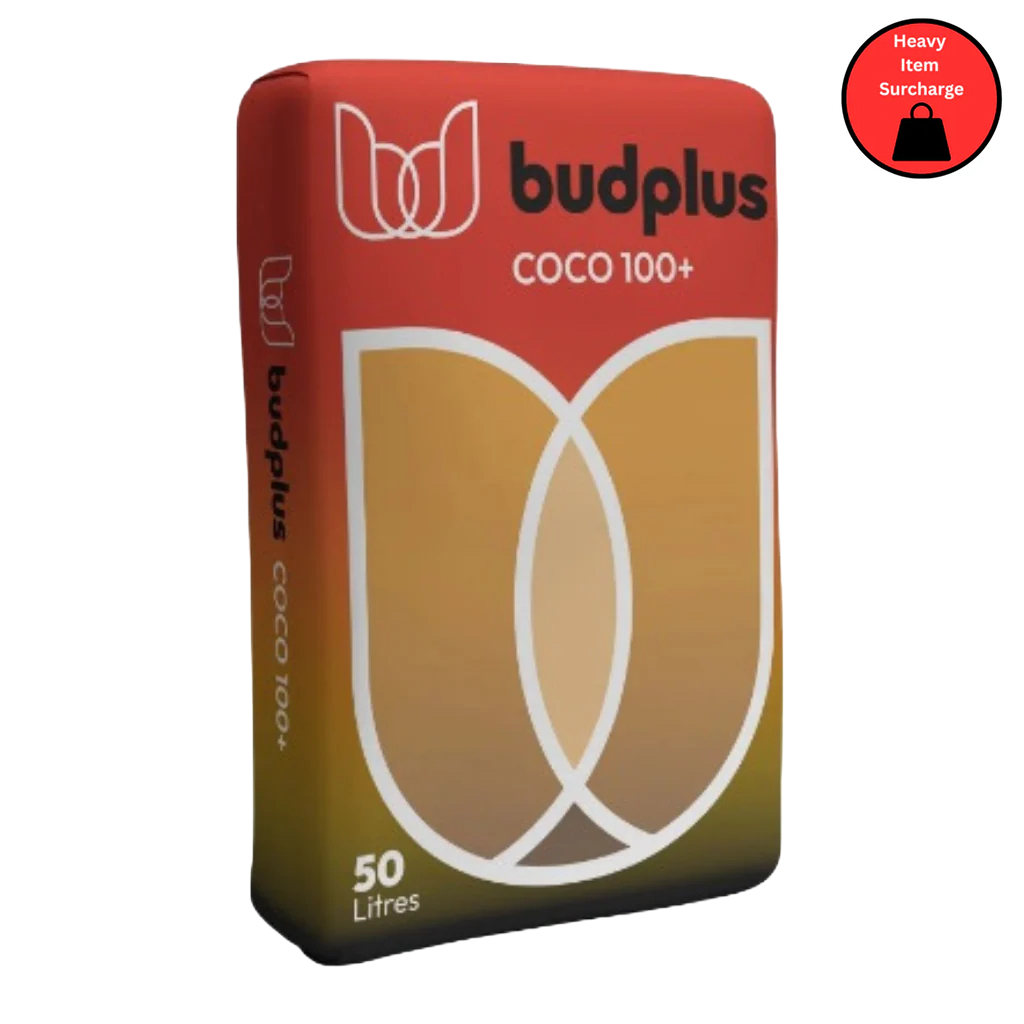
Some coco products are marketed as part of an organic growing system, while standard buffered coco is primarily an inert or lightly charged hydroponic substrate. Coco still requires the correct water and nutrient management. If you want to compare the wider range, visit our Coco Coir and Coco Blends & Mixes collections.
How to choose organic growing media
Check the product’s exact claim
Look for precise information rather than relying on the collection name alone. A product may be certified by a named body, approved for a particular programme, made with naturally derived ingredients or simply designed to work with organic nutrients. These descriptions are not equivalent. Retain the packaging and follow any certification-specific conditions that apply to your garden or business.
Compare peat content and base materials
Organic and peat free describe different properties. An organically fertilised mix may contain peat, while a peat-free substrate is defined by its base materials rather than its nutrient programme. Check the ingredient list if peat content matters to your purchasing decision instead of assuming every organically positioned medium is peat free.
Choose the right nutrient strength
Match the initial nutrient charge to the plant’s stage and your intended feeding method. Young plants usually require gentler conditions than large, established plants. A lightly fertilised medium can provide more control, while an enriched mix or living soil may reduce the need for early bottled feeding when used correctly.
Distinguish complete media from amendments
A complete medium can normally be placed directly into a suitable container, whereas an amendment is blended into soil or another substrate at a stated rate. Product names can be misleading, so check the directions before planting. Our broader Soil Mixes collection includes both organically and minerally fertilised bagged media for comparison.
Consider drainage and air capacity
Fine organic matter can hold significant moisture, while coco, bark, perlite and other coarse materials can create additional air spaces. The correct balance depends on the plant, container, irrigation method and room conditions. If a tested recipe calls for a mineral aeration or moisture-retention component, compare our Perlite & Vermiculite range.
Preparing bagged organic media
- Read the product label for ingredients, nutrient charge, intended use and certification information.
- Open the bag in a clean area and inspect the substrate before filling pots.
- Gently loosen material that has settled in transit without crushing structural particles.
- Use clean containers with adequate drainage and avoid compressing the medium heavily.
- Leave headspace so water can be applied slowly and evenly.
- Water according to the product instructions and confirm that excess moisture can drain.
Bagged media can settle during storage and transport, so estimate the total usable volume of your containers and allow a reasonable margin. Store unopened and unused media in a cool, dry, clean place away from standing water, pests and contamination. Reseal opened bags where practical.
Watering organic and living media
Water according to pot weight, moisture below the surface, root development and environmental conditions rather than a fixed calendar. Apply water evenly across the root zone and make sure the container drains. Persistent saturation reduces oxygen around roots, while allowing a biologically active medium to become excessively dry can also disrupt the system it was designed to maintain.
Living-soil products may have specific moisture targets or watering techniques. Follow the product programme and make gradual adjustments. Pot size, temperature, humidity, airflow and plant size all change the rate at which a medium dries.
Feeding plants in organic media
Begin by understanding the nutrition already present in the substrate. Richly amended mixes may need only water during the initial stage, whereas lighter media can require a compatible feed sooner. Adding nutrients too early or combining several programmes can produce excessive concentrations or disturb the intended biological balance.
Choose nutrients that are compatible with the medium and your growing method, and follow the substrate and nutrient manufacturers’ instructions. Our Plant Nutrients hub helps you compare base nutrients, additives, boosters, root stimulants and complete sets. Do not assume that every bottled product is approved for every organic standard.
Transplanting into organic growing media
- Prepare the receiving pot and medium before removing the plant from its old container.
- Support the root ball and minimise damage to fine roots.
- Set the plant at an appropriate depth without compacting the new medium firmly.
- Water evenly according to the chosen substrate’s instructions.
- Avoid abrupt changes in light, temperature and feeding immediately after transplanting.
Seedlings and newly rooted cuttings often need a smaller container and gentler nutrient level than established plants. For specialist propagation plugs, cubes and mild substrates, visit Cutting & Seedling Mediums.
Can organic growing media be reused?
Reuse depends on the product, previous crop health and your ability to assess the remaining structure and nutrition. Used media can contain old roots, depleted or uneven nutrients, accumulated salts, pests or pathogens. Living-soil systems may be designed for re-amendment, but this should follow a tested recipe rather than an unmeasured addition of fertiliser or compost.
Fresh bagged media is the safer choice where hygiene, predictable nutrient strength and consistency are priorities. Dispose of or recycle spent substrate in line with local guidance, and never return used material to a clean bag.
Why buy organic growing media from Holland Horticulture?
Established in 1996, Holland Horticulture supplies growing media, nutrients, pots and hydroponic equipment to beginners, experienced indoor gardeners and commercial growers. The range includes light mixes, enriched soils, living soil, coco-based products and amendments from recognised manufacturers, supported by experienced advice, UK delivery and Click & Collect.
Return to our Growing Media hub to compare organic, soil, coco, mineral and propagation substrates.
Organic growing media FAQs
What is organic growing media?
It is a substrate formulated or marketed for organic or biologically based growing methods. Ingredients and claims vary, so check the label for the product’s precise composition, certification and intended use.
Is all organic growing media peat free?
No. Organic nutrient inputs and peat content are separate characteristics. Some organic-positioned mixes contain peat, while some peat-free products use different feeding approaches. Check the individual product specification.
Is living soil the same as organic soil?
Not exactly. Living soil is designed around an active biological system, while “organic soil” is a broader description that can cover several formulations. Use living soil according to its specific moisture and input programme.
Do organic soil mixes need extra nutrients?
Some enriched mixes contain enough initial nutrition to require only water for a period; lighter products may need feeding sooner. Follow the manufacturer’s schedule and observe plant response before adding nutrients.
Can I plant directly into worm humus?
Only if the product explicitly says it is a complete medium. Worm humus is commonly an amendment intended to be blended into another substrate at a measured rate.
Can I use organic growing media with bottled nutrients?
Often, but the nutrient must be compatible with the substrate and growing method. Avoid combining programmes without accounting for the medium’s existing nutrient charge, and verify any organic-standard requirements separately.
How much organic growing media do I need?
Add the usable volume of every container being filled, allowing for root balls and any separate drainage components. Order a small margin because bagged media can settle and nominal pot capacity may differ from the actual fill volume.