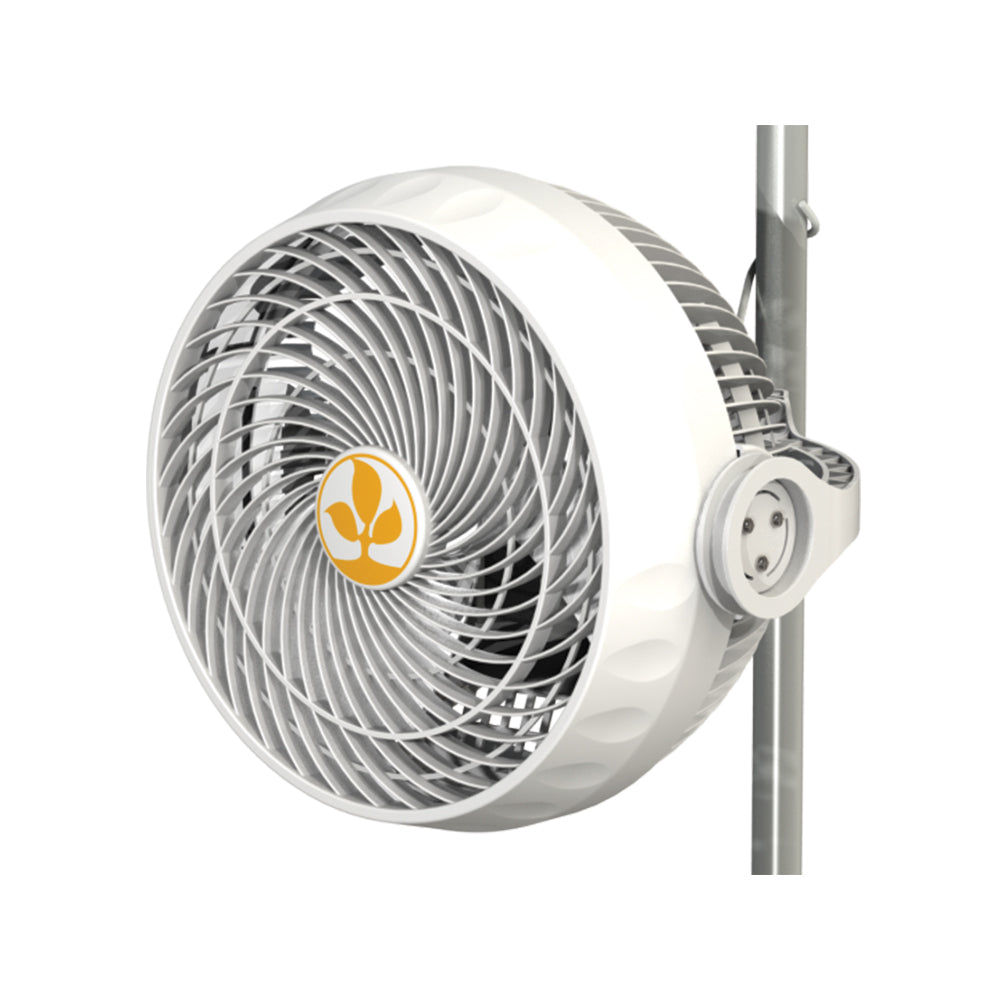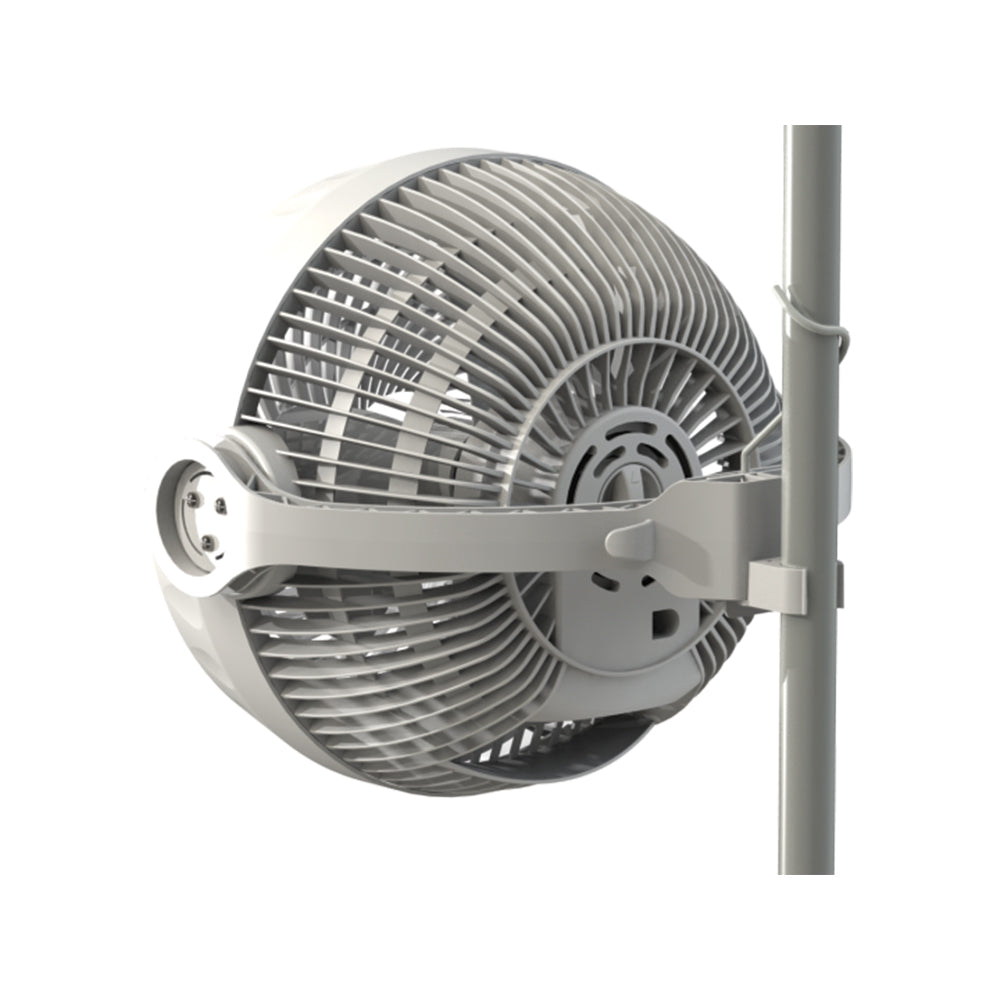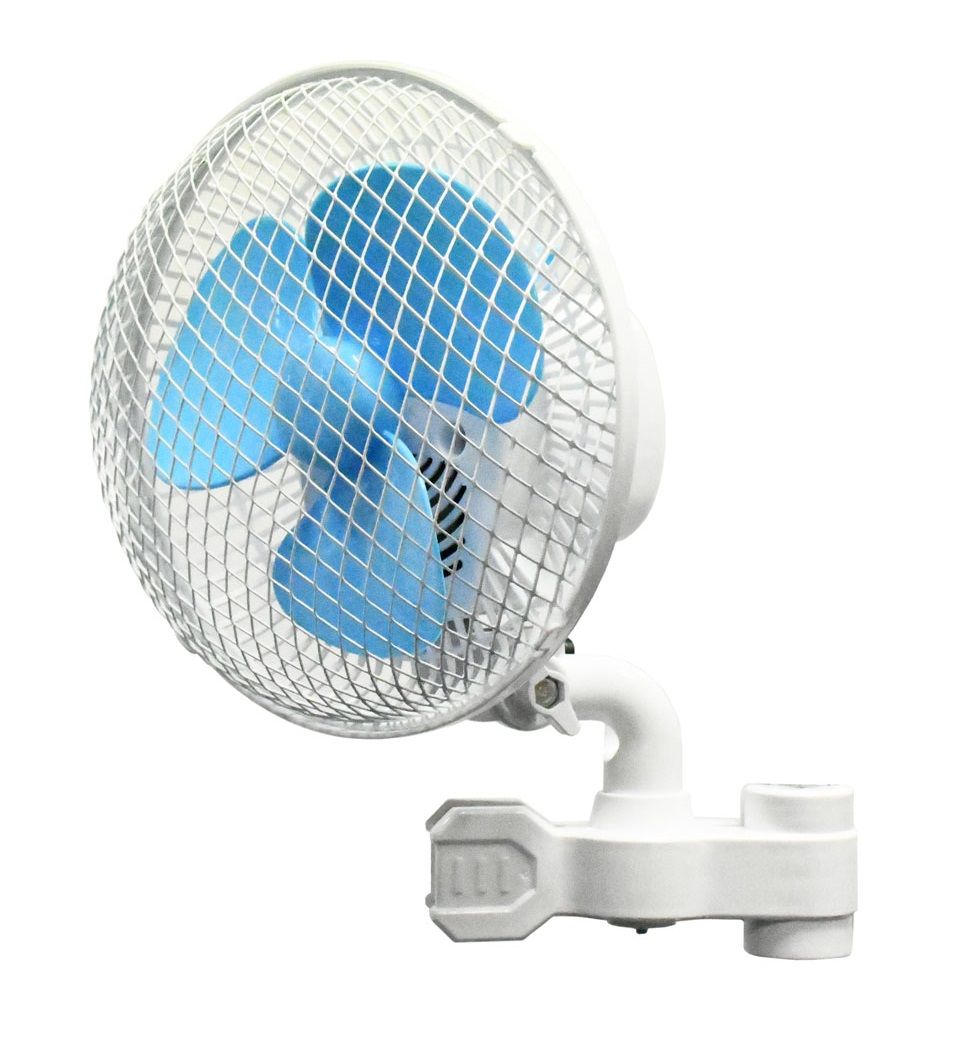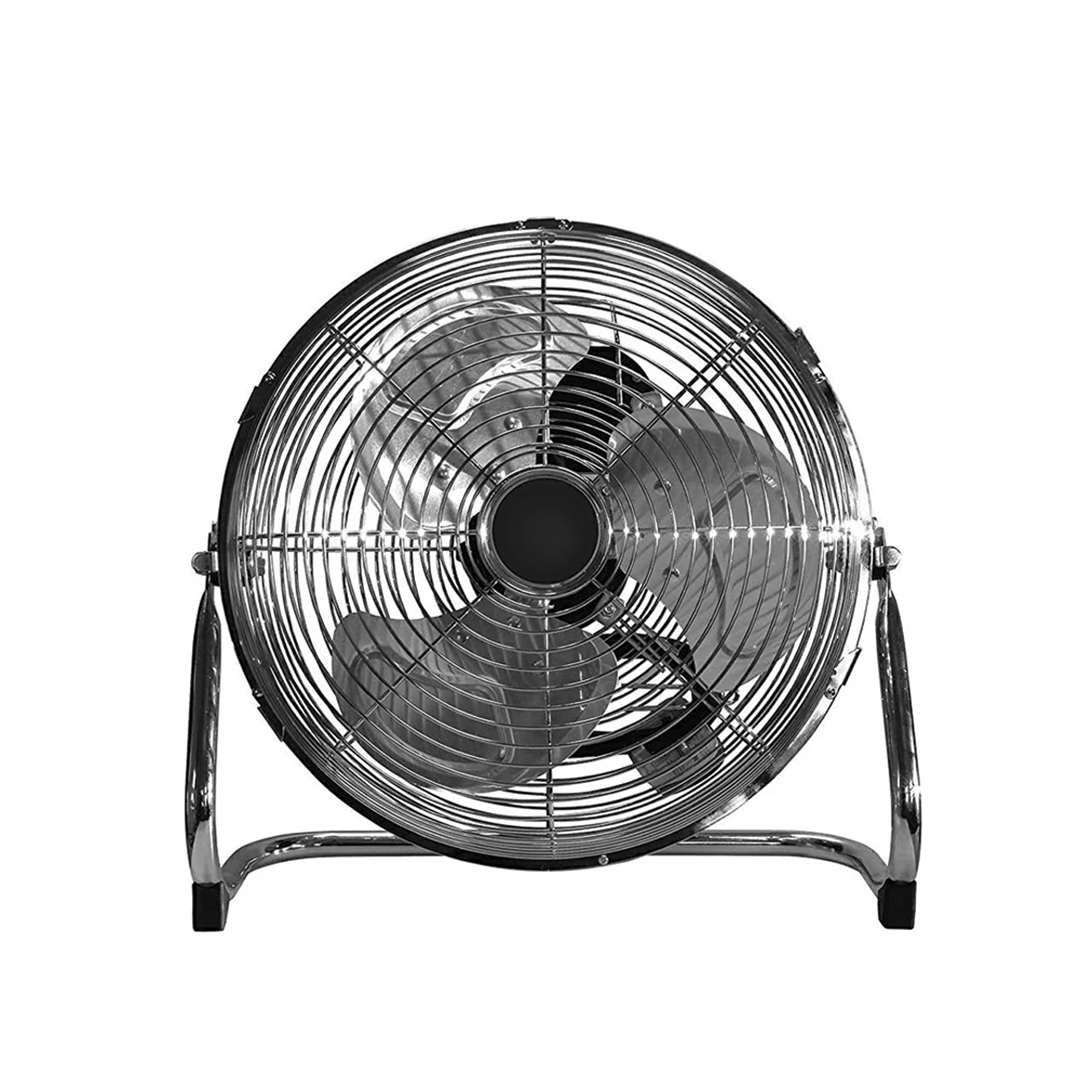
Improve air movement with grow room circulation fans for grow tents, propagation areas and indoor horticultural spaces. Choose from compact clip-on fans, oscillating pole fans, wall-mounted models, pedestal fans, floor fans and high-output air movers for spaces of different sizes.
Select a fan by its mounting style, blade size, speed settings, oscillation, coverage and noise level. Aim for gentle, continuous movement throughout the space rather than a strong stream directed at one area, and remember that circulation complements—but does not replace—fresh-air intake and extraction.
Air circulation fans for grow rooms and tents
An air circulation fan moves air around the growing space, mixing warmer and cooler layers and reducing stagnant pockets around leaves, pots and equipment. Consistent movement can help create more even temperature and humidity conditions across the growing area while a gentle breeze encourages sturdier plant structure.
Circulation is different from ventilation. A circulation fan repeatedly moves the air already inside the space, while an extraction system removes warm, humid air and allows fresh replacement air to enter. Most indoor gardens benefit from both functions working together.
Types of grow room circulation fan
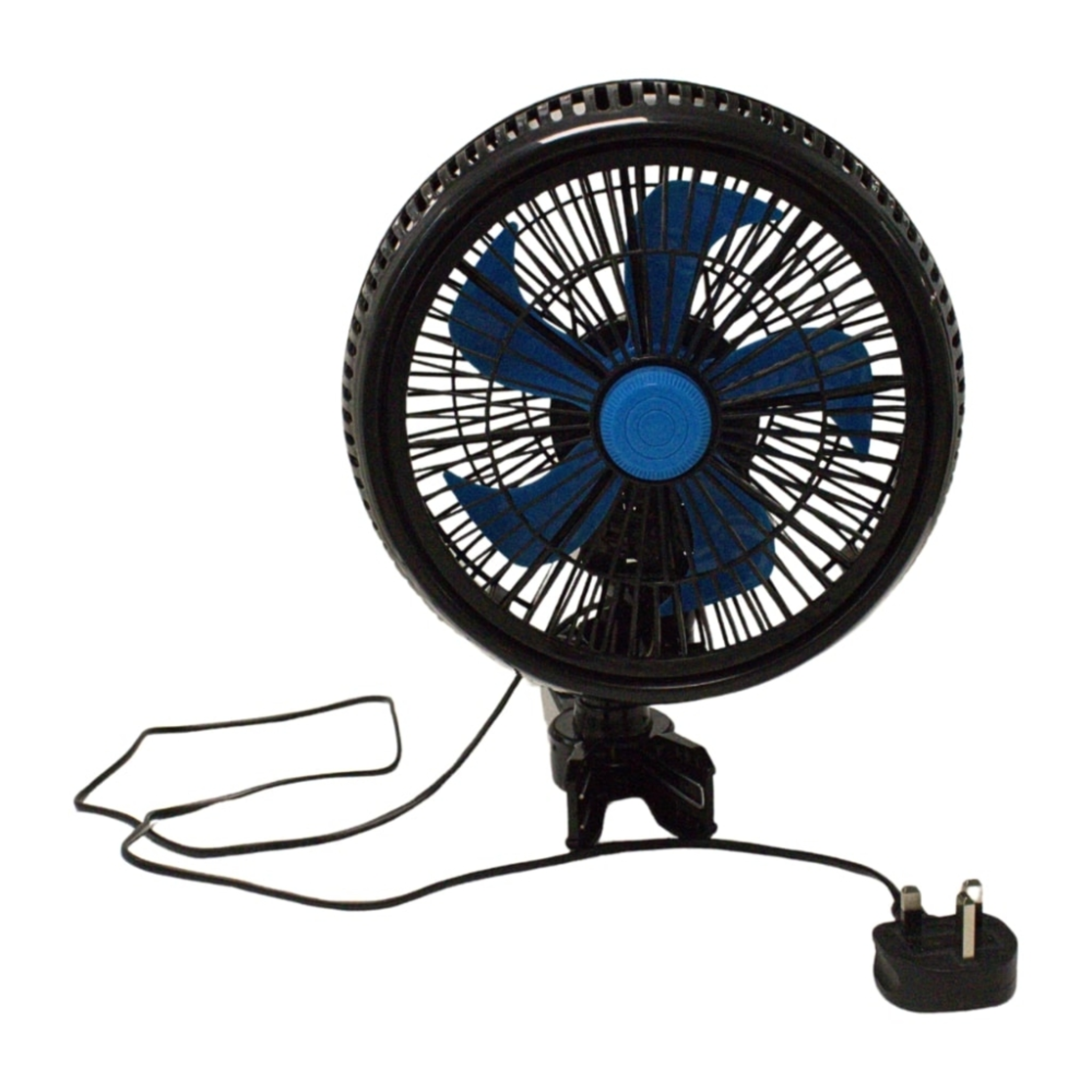
Clip-on and pole-mounted fans
Clip-on fans are popular in grow tents because they use very little floor space and can be attached to a suitable pole, frame or shelf. Check the clamp range, pole compatibility and adjustment mechanism before buying. The mount should hold securely throughout the fan's movement without crushing the tent pole or allowing the fan to slip.
Oscillating fans
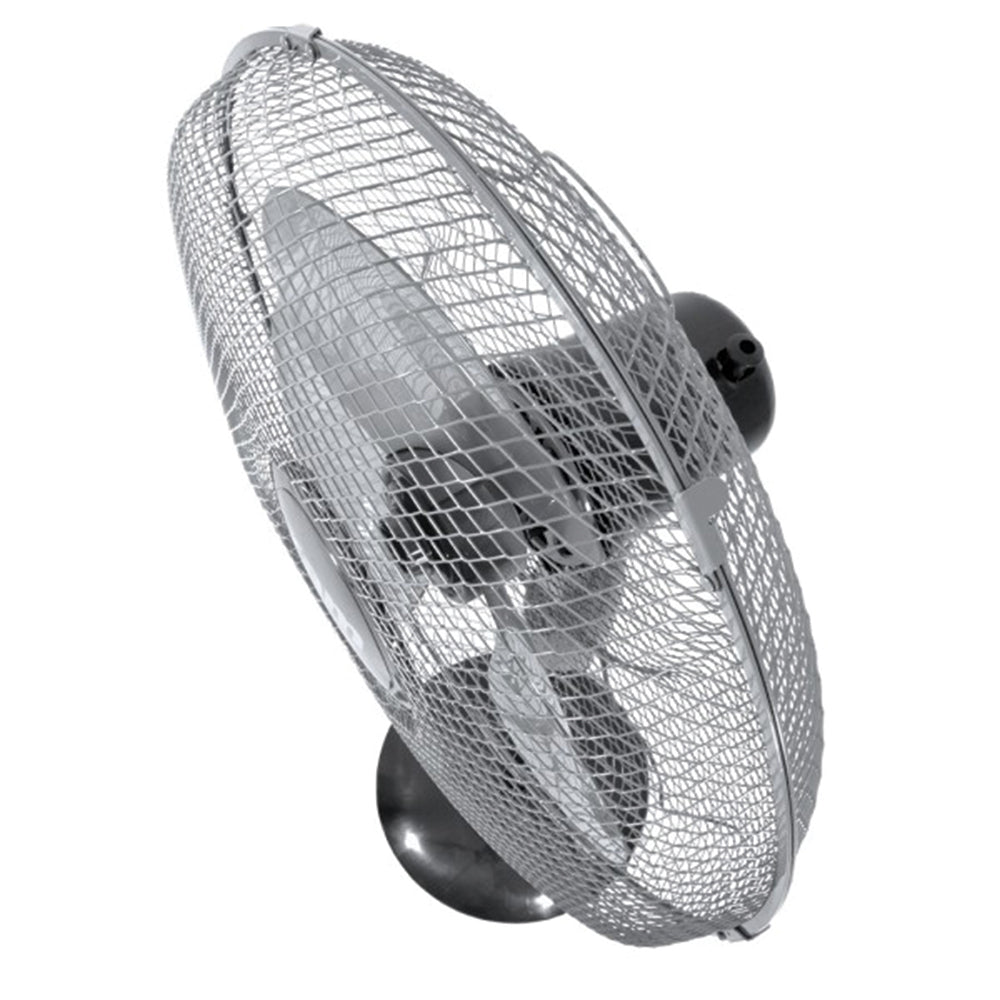
An oscillating fan sweeps airflow across a wider area instead of concentrating it in one fixed direction. This can provide broader coverage from a single position, but the fan needs enough clearance to complete its movement without hitting tent fabric, lights, cables or plants. Models differ in oscillation angle, speed settings and the ability to set a narrower coverage range.
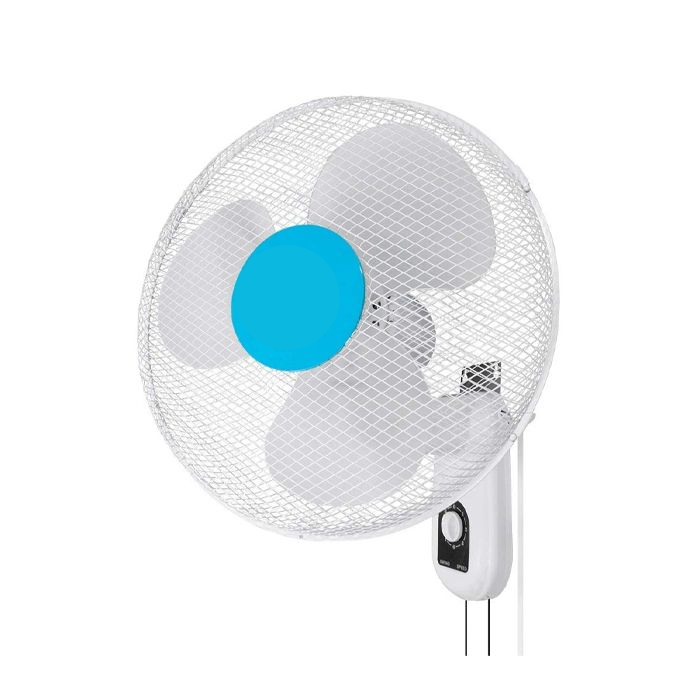
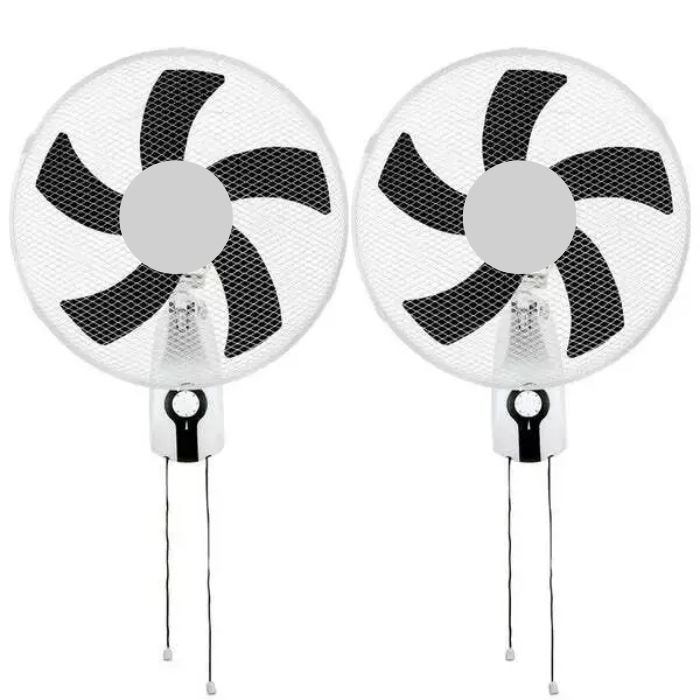
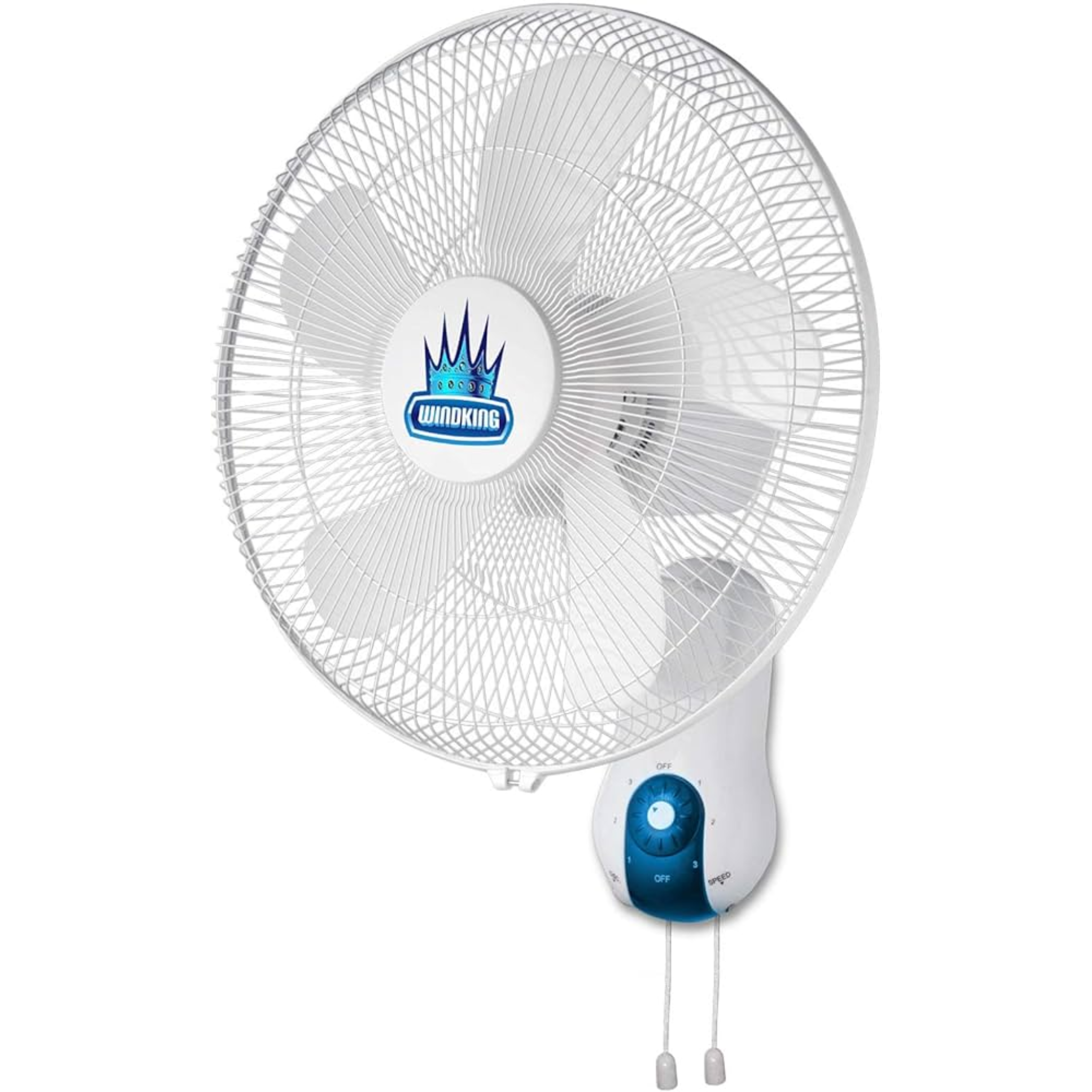
Wall-mounted fans
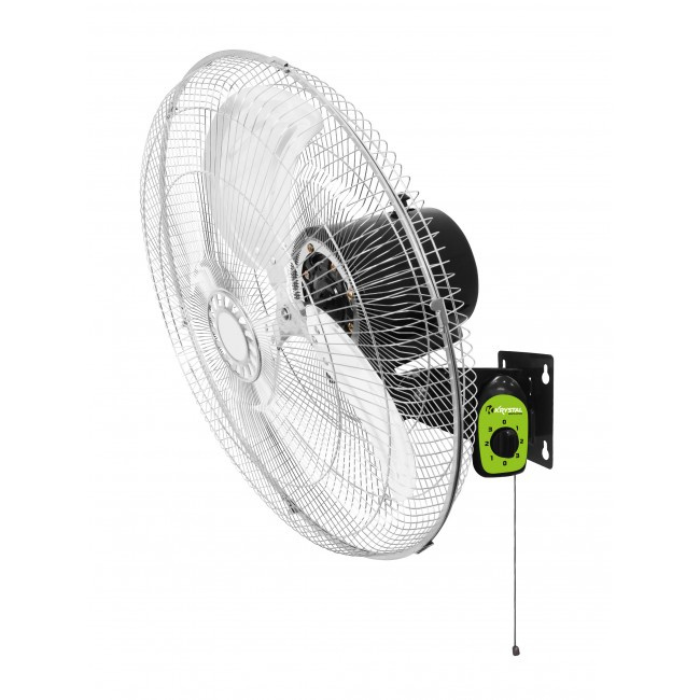
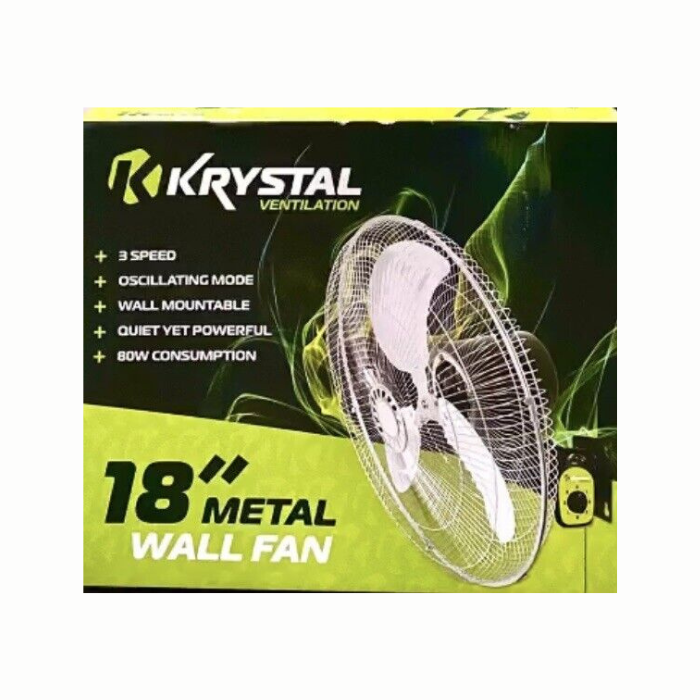
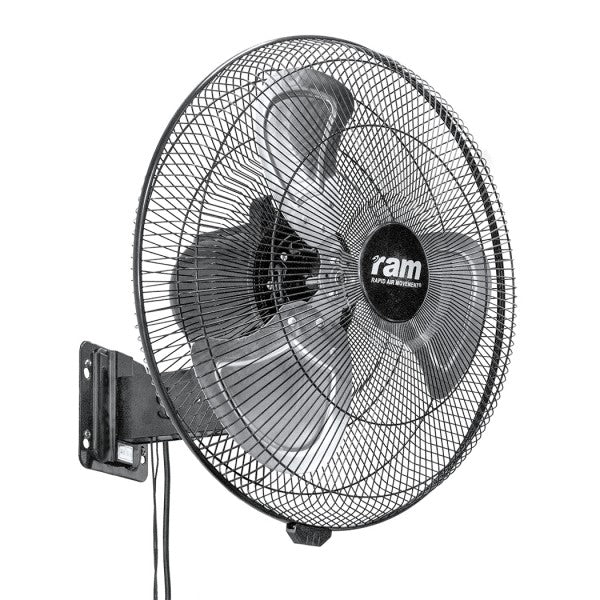
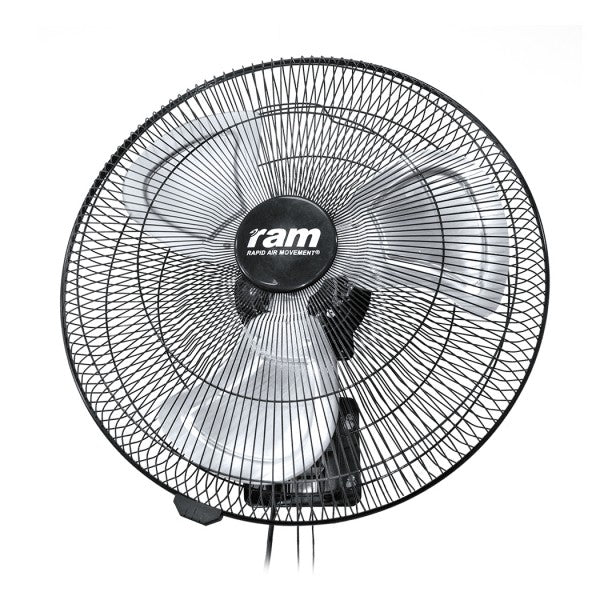
Wall fans preserve floor and bench space while providing air movement across medium or larger rooms. They require a secure mounting surface and careful positioning so that the grille and oscillating head remain clear. Confirm the wall fixing requirements and electrical cable route before installation.
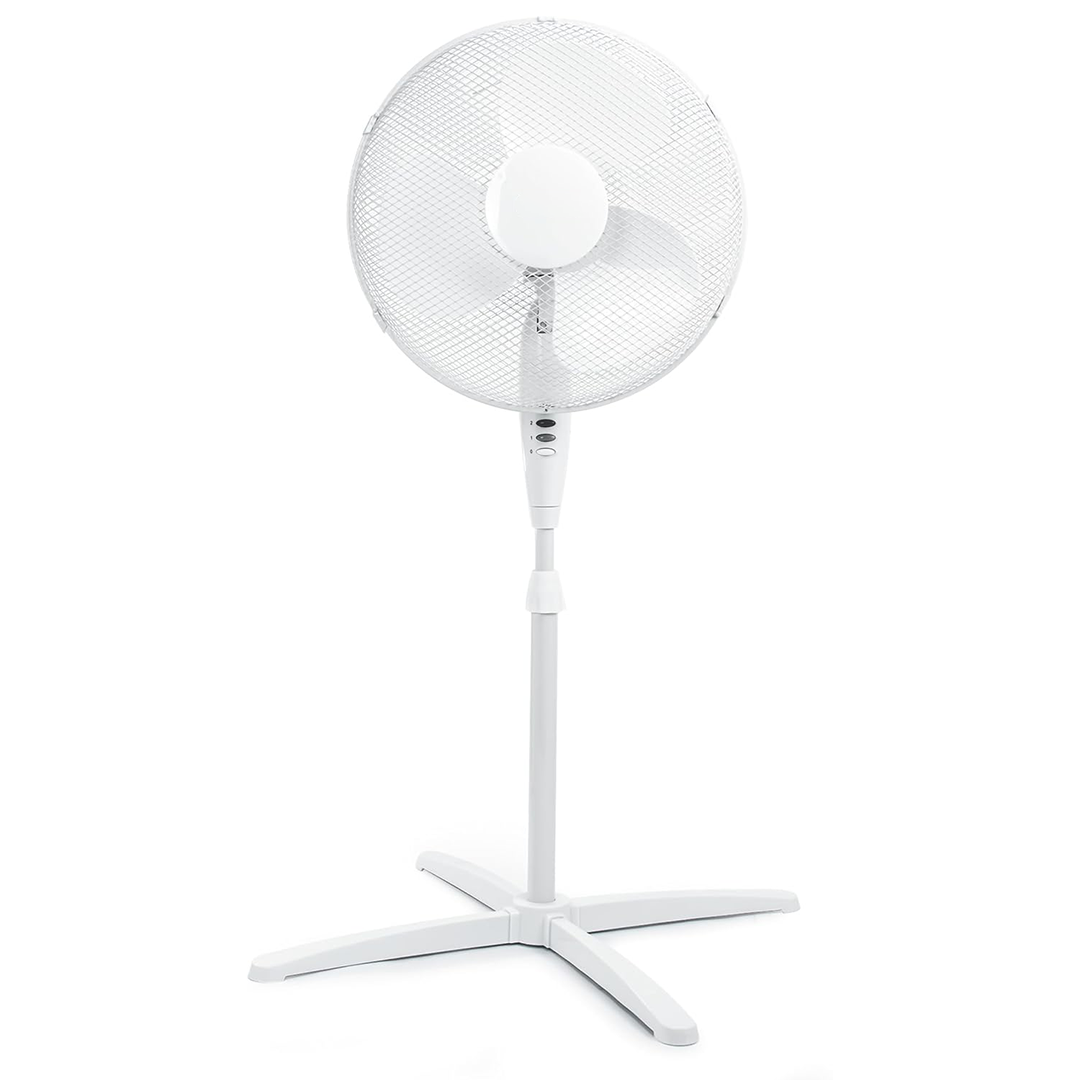
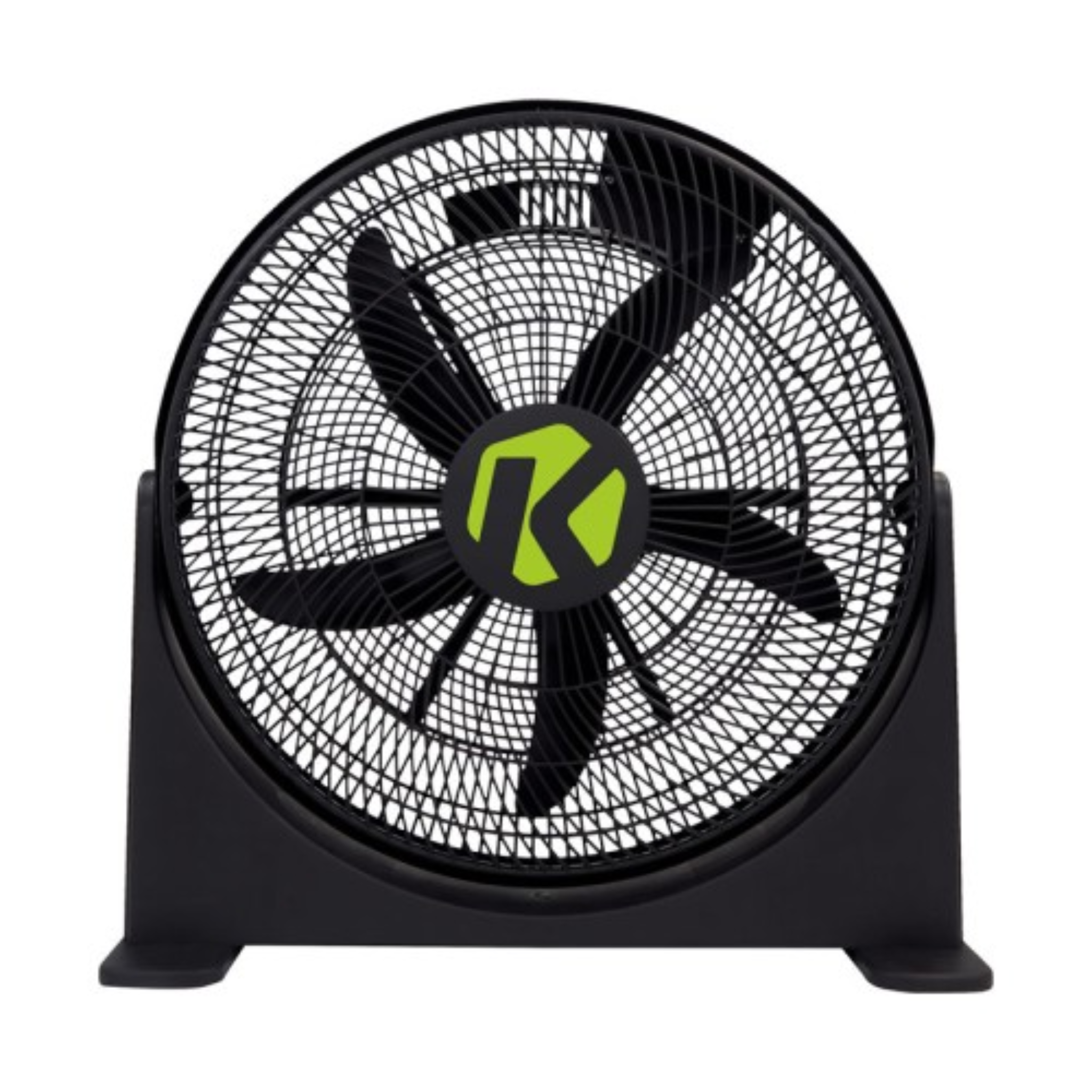
Pedestal and floor fans
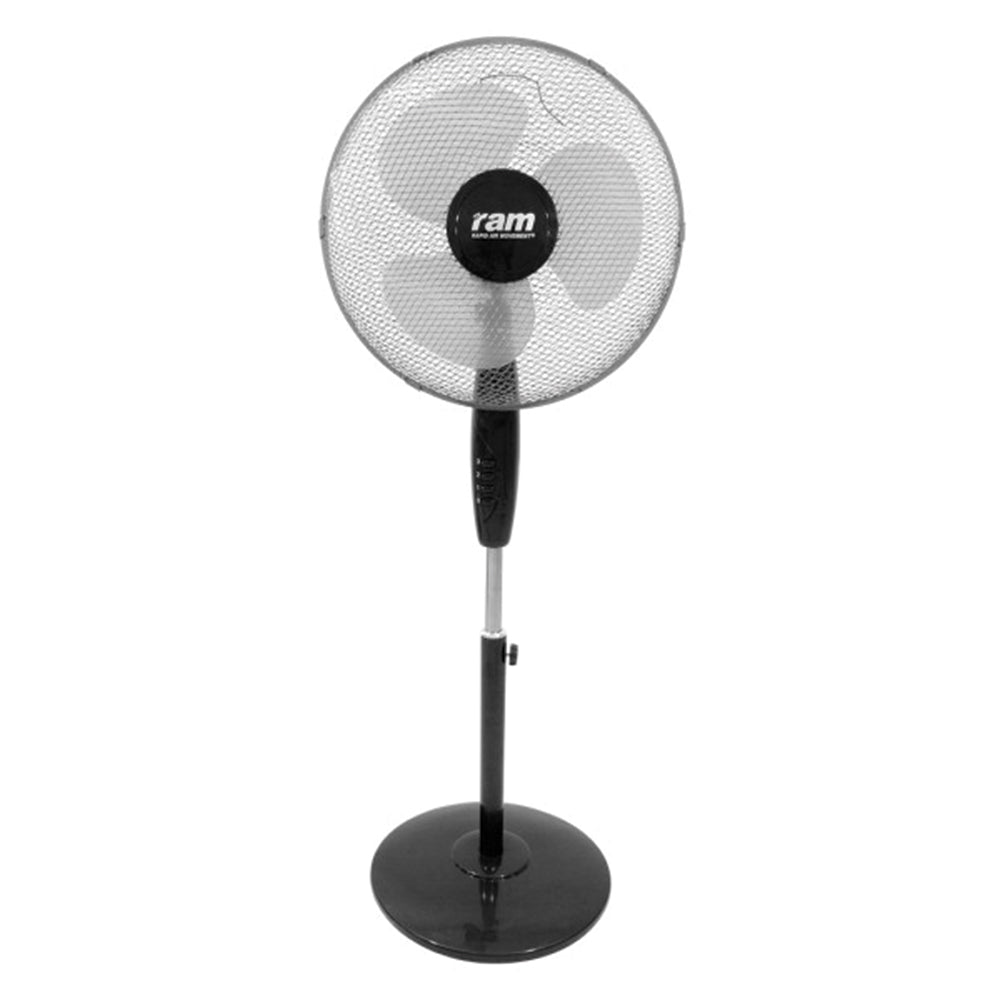
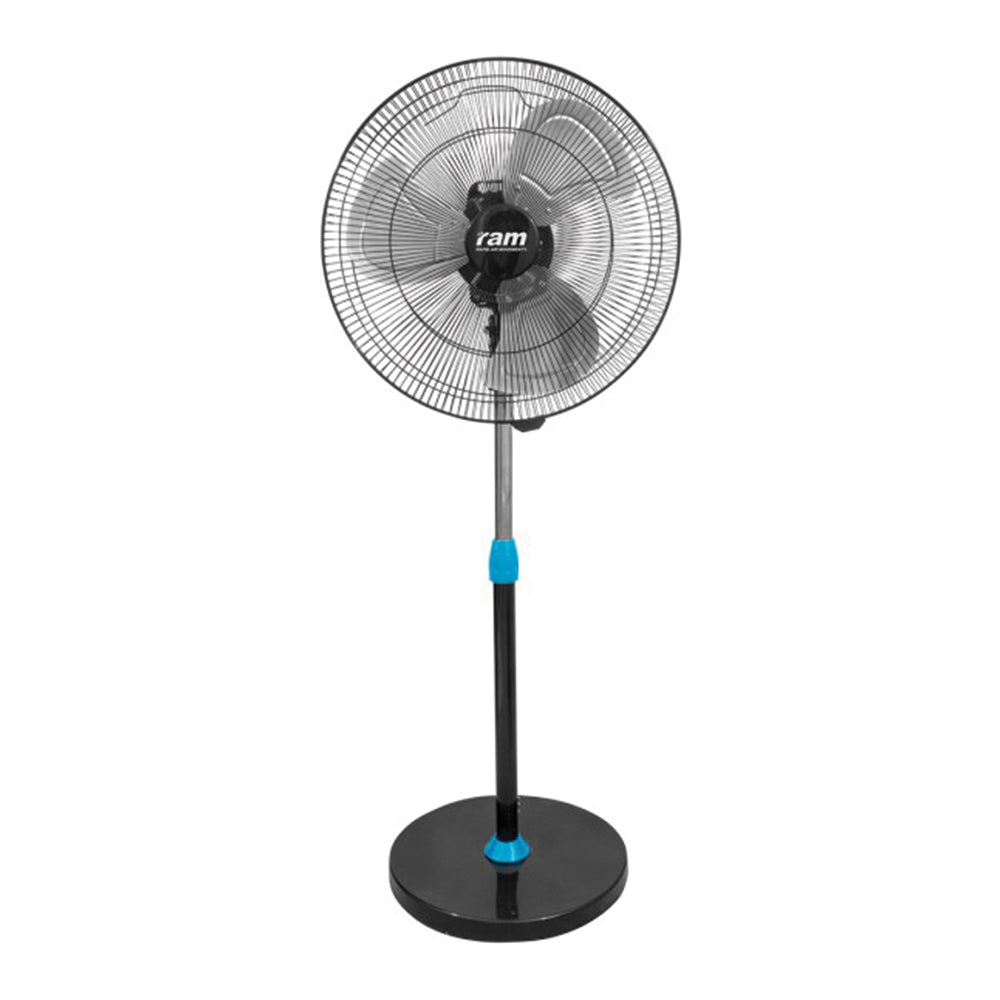
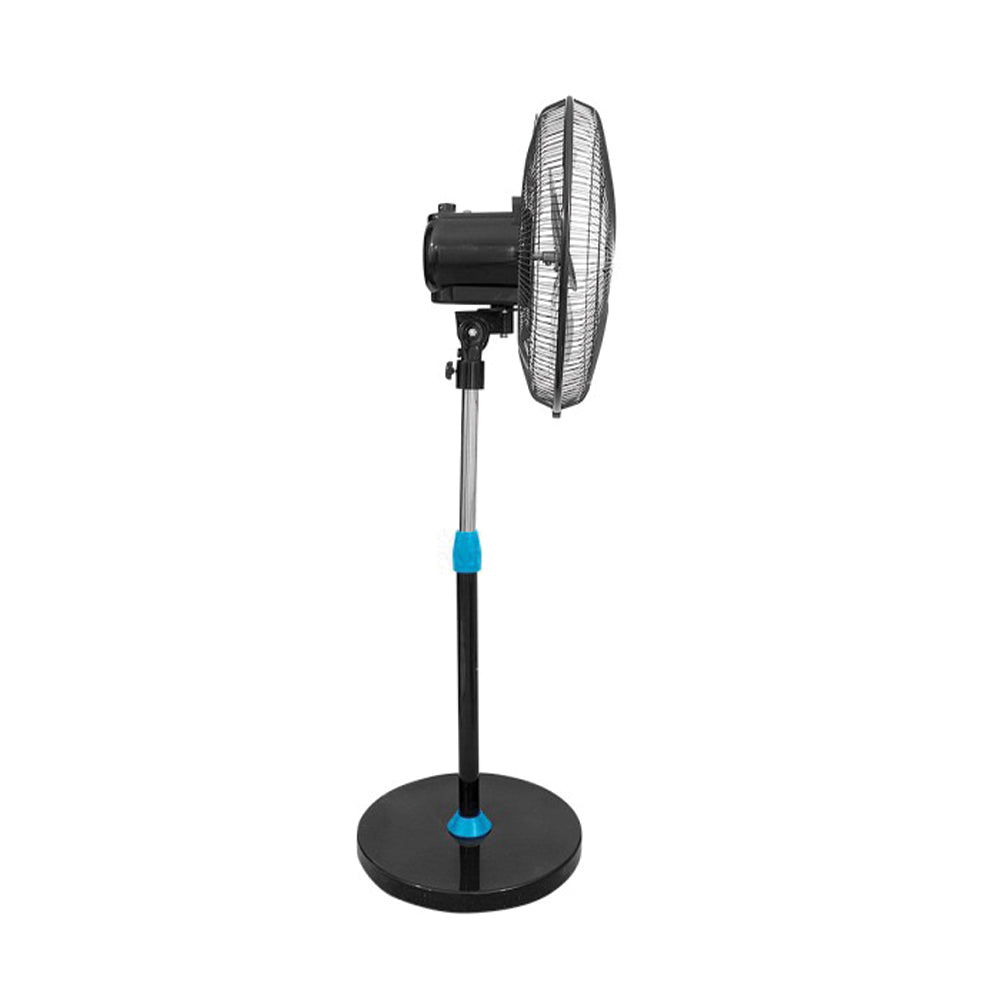
Pedestal fans provide adjustable height and broad coverage without permanent wall fixings. Floor and drum-style fans can move larger volumes of air at lower levels or across open spaces. Their bases need a flat, stable position where they will not obstruct access or sit in standing water.
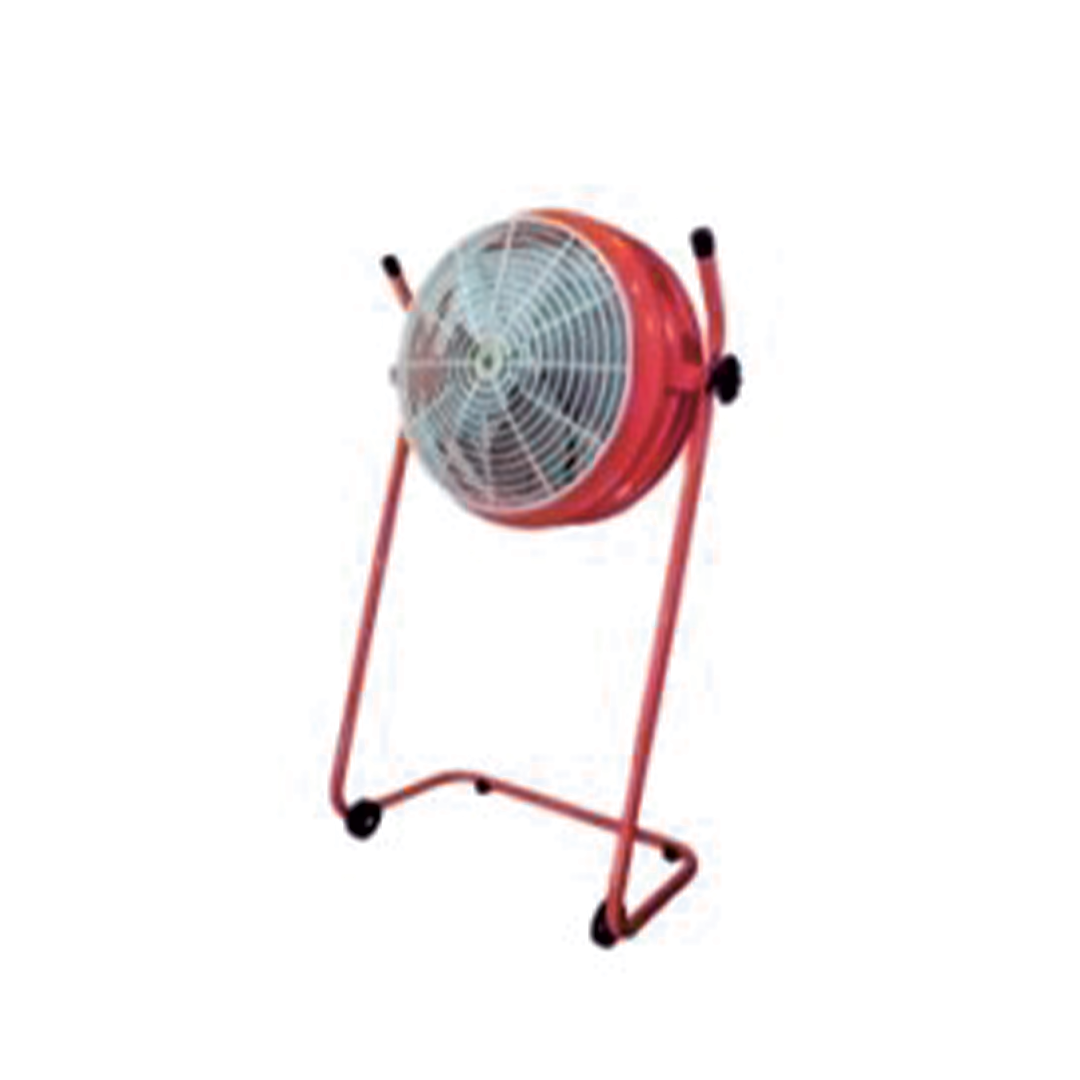
High-output air movers
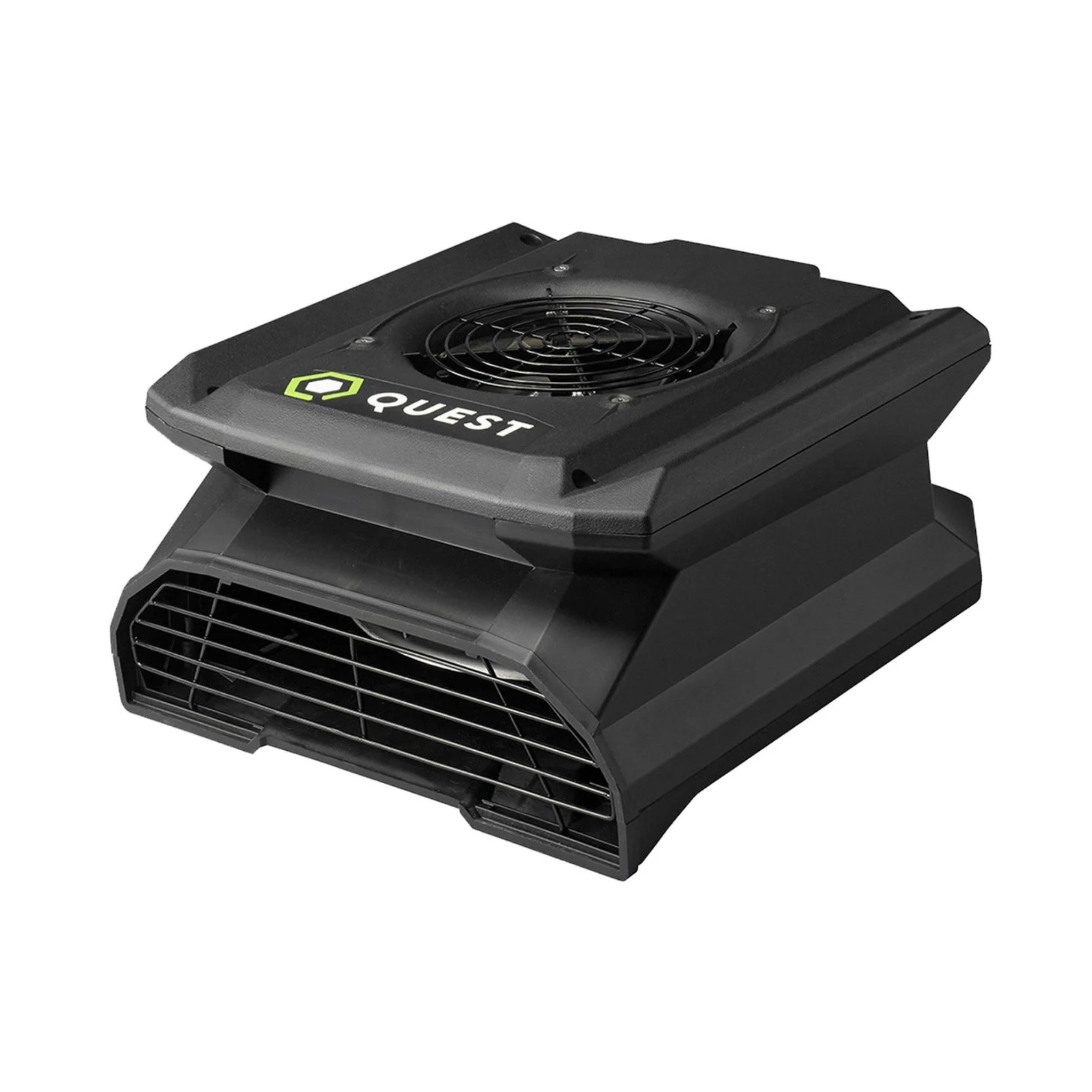
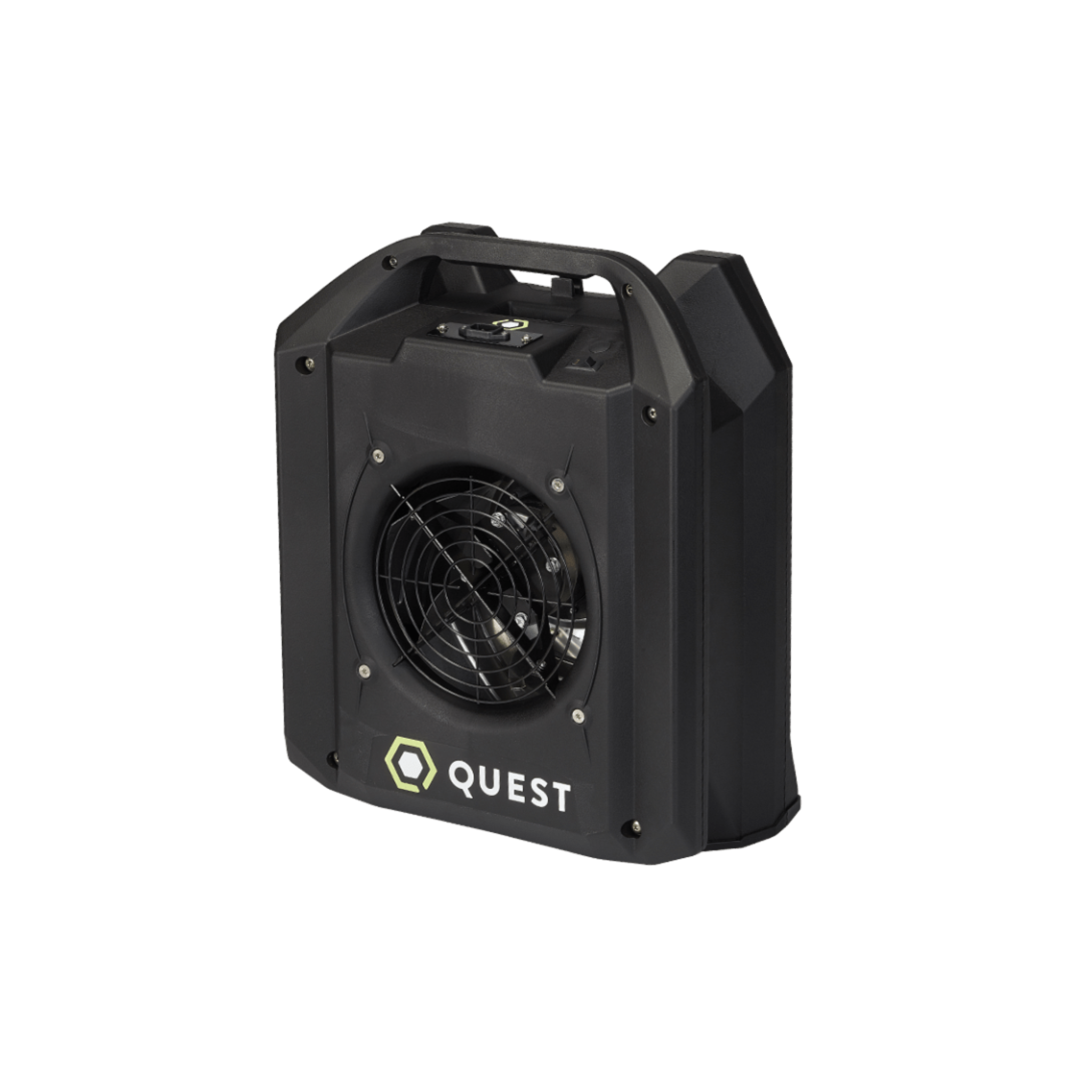
Professional air movers are designed for stronger, more directed airflow across larger rooms or demanding applications. They can be useful for moving air through long spaces or beneath benches, but may be excessive for a compact tent. Compare airflow, speed control, noise and power consumption with the actual area that needs coverage.
How to choose the right circulation fan
Match the fan to the space
Compact tents often benefit from one or more small pole-mounted fans, while larger rooms may need a combination of wall, pedestal and floor-level circulation. The best choice depends on the layout, canopy size, equipment position and number of potential dead spots rather than room volume alone.
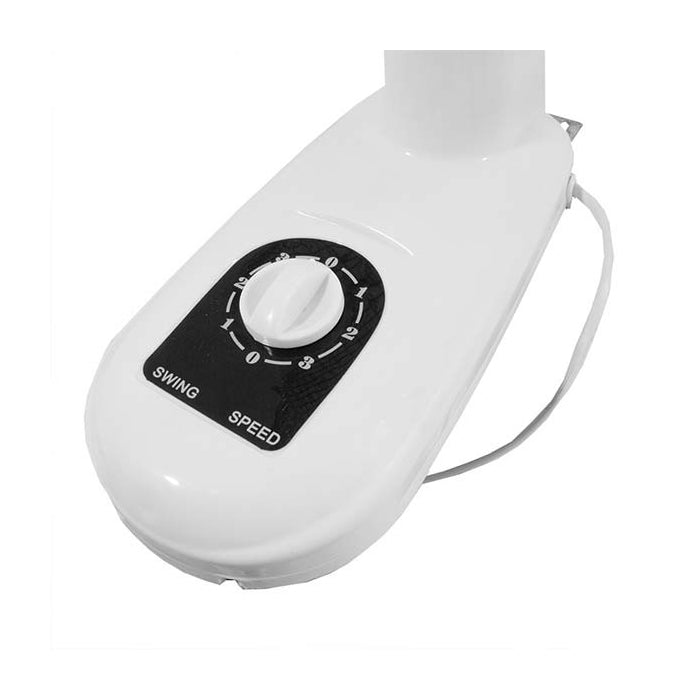
Choose suitable airflow and speed control
Adjustable speeds make it easier to provide gentle movement for seedlings and more coverage as plants and the growing area develop. Leaves should move lightly rather than being held sideways or repeatedly struck by a concentrated stream. A larger fan running at a lower setting can sometimes create broader, quieter movement than a small fan operating at full speed.
Decide between fixed and oscillating airflow
Fixed fans are useful for moving air through a known stagnant area, across the top of a canopy or beneath benches. Oscillating models spread airflow across a wider zone and reduce the time any one plant remains directly in the air stream. Larger layouts often use both approaches.
Check mounting and clearance
Measure the available pole, wall, shelf or floor space and allow room for the full fan head, grille and oscillating movement. Ensure that the mounting point remains stable as the fan changes direction. Do not suspend a fan from its power lead or rely on a loose clip above people, plants or electrical equipment.
Consider noise and motor type
Blade design, motor construction, speed setting, grille condition and mounting vibration all affect perceived noise. Brushless and EC-motor clip fans may offer more speed control and efficient operation, while straightforward AC fans can provide economical circulation. Compare the individual specification rather than assuming one motor type will always be quieter.
Check environmental and controller compatibility
Indoor horticultural spaces can be warm and humid, so check the product's stated environmental or ingress-protection rating where relevant. Some fans include integrated digital controls or connect to a compatible ecosystem, while basic circulation fans should not be connected to an external speed controller unless the manufacturer specifically approves it.
Positioning fans for even air movement
- Move air across the space: aim above, below or alongside the canopy rather than blasting one plant continuously.
- Address dead spots: check corners, floor level, beneath benches and behind equipment for still, humid pockets.
- Use gentle movement: leaves should flutter lightly without folding, drying at the edges or rubbing against nearby surfaces.
- Allow oscillation clearance: keep the fan head away from fabric, cables, lighting and plant material throughout its sweep.
- Adjust as plants develop: reposition fans as canopy height, density and equipment layout change.
- Combine fans carefully: several low-speed fans can provide more even coverage than one powerful fan aimed from a single point.
Use smoke-free visual cues such as lightweight ribbon placed safely outside the grille, or observe gentle leaf movement, to identify how air travels around the space. Temperature and humidity readings from more than one location can also reveal uneven conditions that require a change in fan position.
Circulation fans and extraction systems
A circulation fan cannot remove accumulated heat, moisture or stale air. Pair internal air movement with correctly sized extraction and intake fans. Where air treatment is required, choose a compatible carbon filter and connect the system with suitable ducting and fittings. Use reliable temperature and humidity equipment to check whether adjustments are improving the environment.
Using and maintaining circulation fans safely
- Switch off and unplug the fan before cleaning, adjusting the mount or removing the grille where permitted.
- Keep fingers, leaves, ties and loose materials away from the grille and moving parts.
- Route power cables away from water, sharp edges, hot lighting equipment and walkways.
- Check clips, brackets, bases and fasteners regularly for movement or wear.
- Remove dust from accessible grilles and blades according to the manufacturer's instructions.
- Stop using a fan that develops unusual noise, vibration, heat, damaged wiring or unreliable oscillation.
Do not spray a fan with water or operate it outside the conditions stated by the manufacturer. A general timer or external controller should only be used when its electrical rating and switching method are compatible with the fan.
Why buy air circulation fans from Holland Horticulture?
Established in 1996, Holland Horticulture supplies clip-on, oscillating, wall, pedestal and floor fans for compact grow tents, home horticultural spaces and larger installations. Our range includes practical budget options and advanced digitally controlled models, supported by experienced advice, UK delivery and Click & Collect.
Air circulation fan FAQs
How many circulation fans does a grow tent need?
The answer depends on tent size, canopy density and layout. A compact tent may need one or two small fans, while a larger or denser space may need several fans positioned above and below the canopy. Add fans to solve specific dead spots rather than relying only on one powerful unit.
Is an oscillating fan better for a grow room?
Oscillation spreads airflow across a wider area and reduces continuous pressure on one plant, making it useful in many layouts. Fixed fans remain valuable for directing air through a known stagnant area. The best arrangement may combine both types.
How strong should the airflow be?
Aim for gentle, visible leaf movement rather than constant bending or aggressive shaking. Start at a low speed, particularly around seedlings and young plants, and increase or reposition the fan only when the space requires more coverage.
Can a circulation fan replace an extraction fan?
No. A circulation fan moves air within the space but does not exhaust heat and humidity or bring in fresh replacement air. It should work alongside an appropriately sized ventilation system.
Where should I place a fan in a grow tent?
Position fans so air moves across and around the canopy without one concentrated stream striking the same area. Check lower corners and beneath dense foliage for still air, and keep the fan clear of tent fabric, lighting, cables and water.
Should circulation fans run continuously?
Requirements vary with the growing environment and plant stage. Many systems use ongoing low-level circulation, but speed and operating periods should be adjusted to the actual temperature, humidity and plant response. Follow the fan manufacturer's duty and safety guidance.
Can I connect a circulation fan to a speed controller?
Only if the fan manufacturer confirms compatibility. Many digitally controlled, EC or electronically switched fans require their own controls, while some basic fans are not designed for external speed reduction. An incompatible controller can cause noise, unreliable starting or equipment damage.