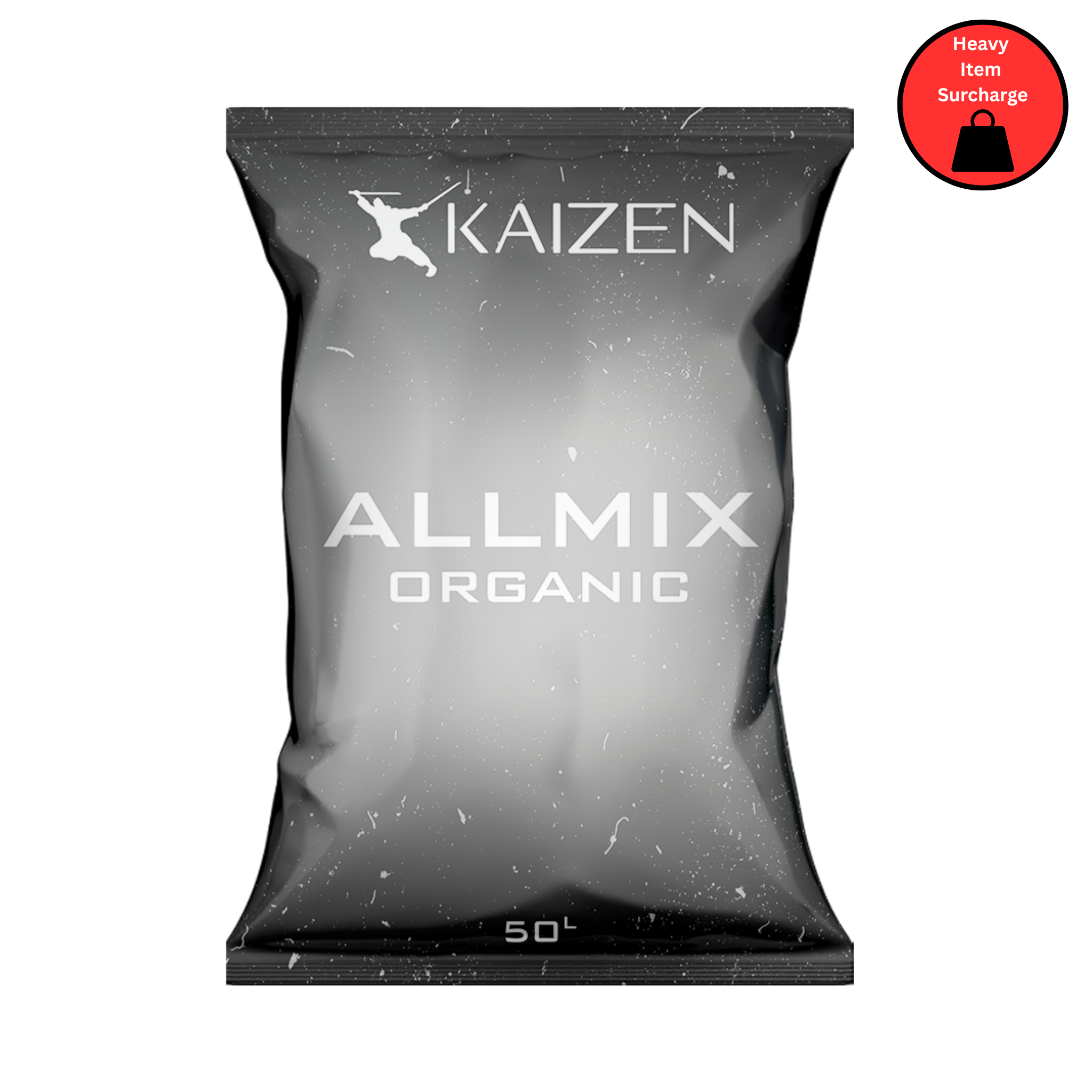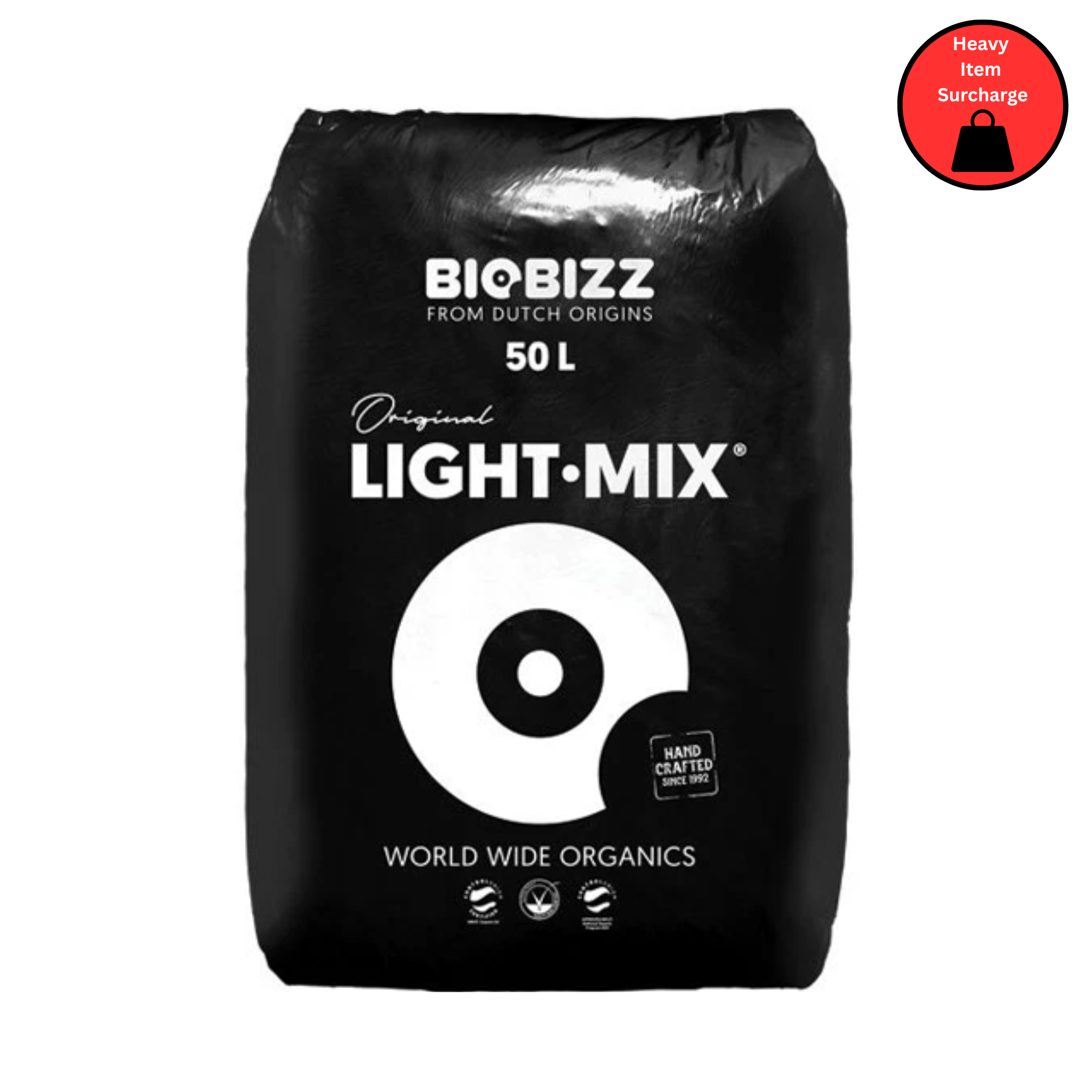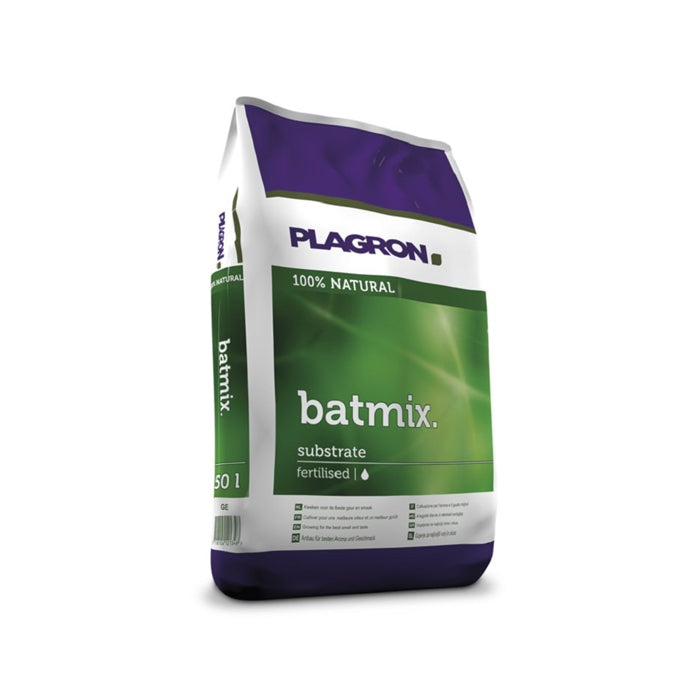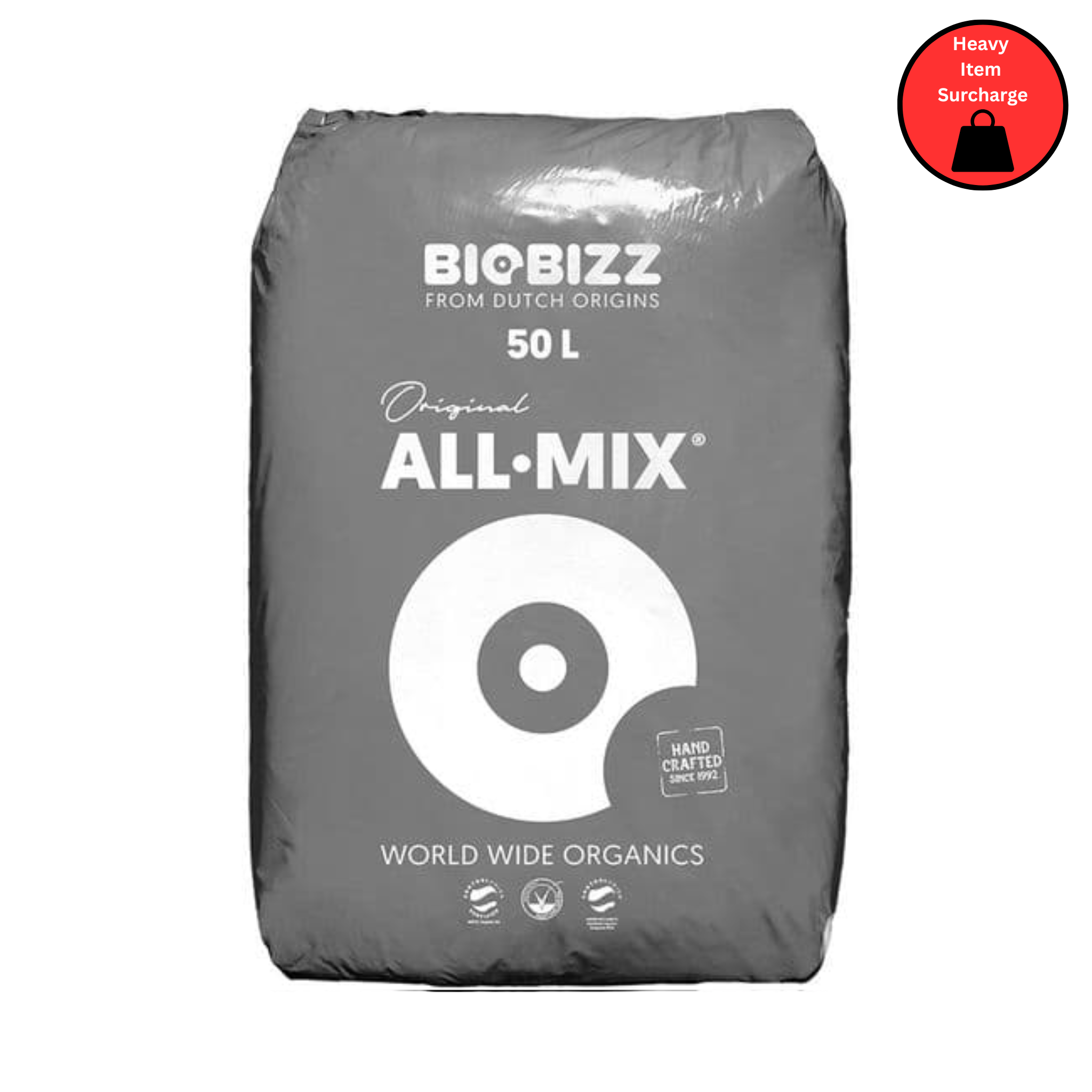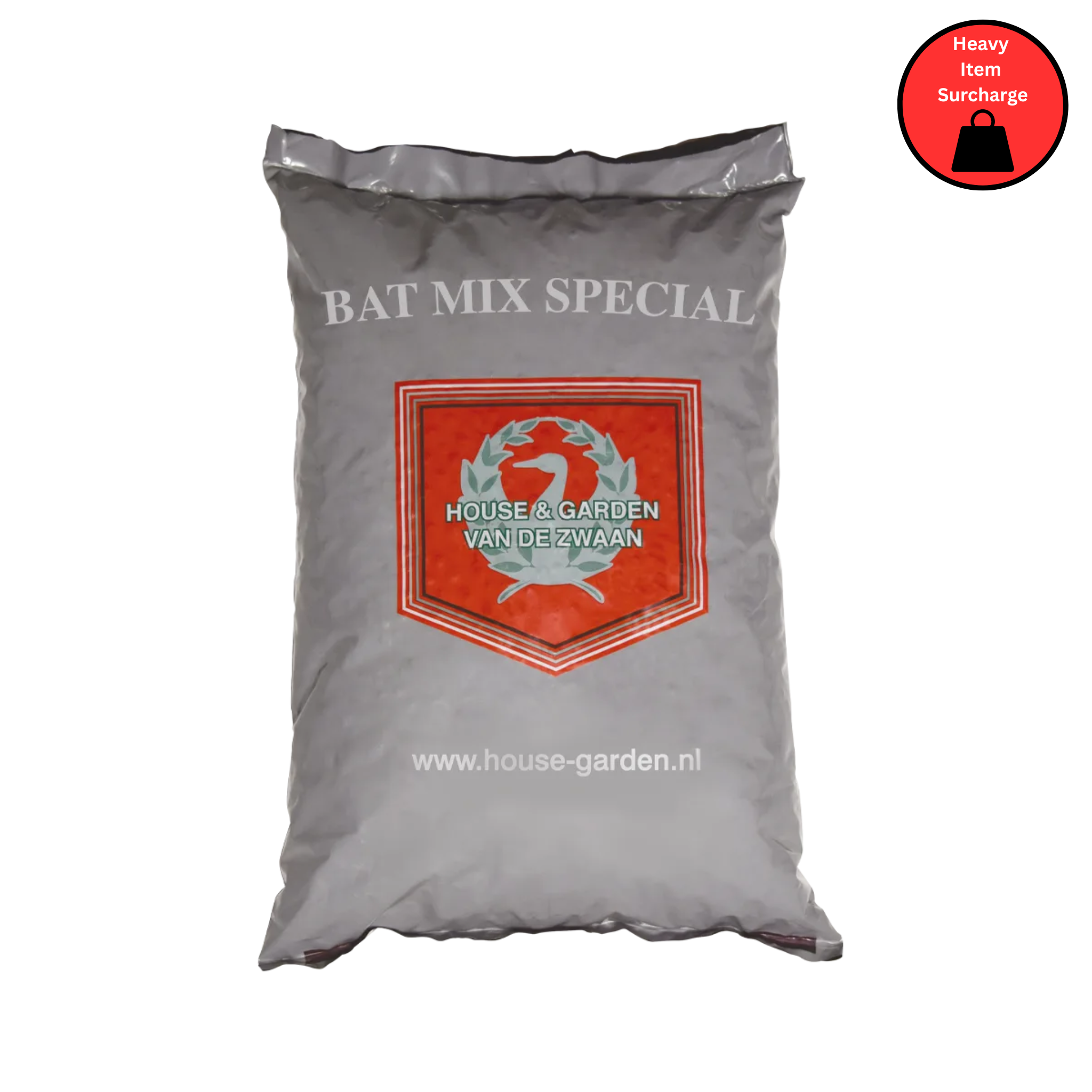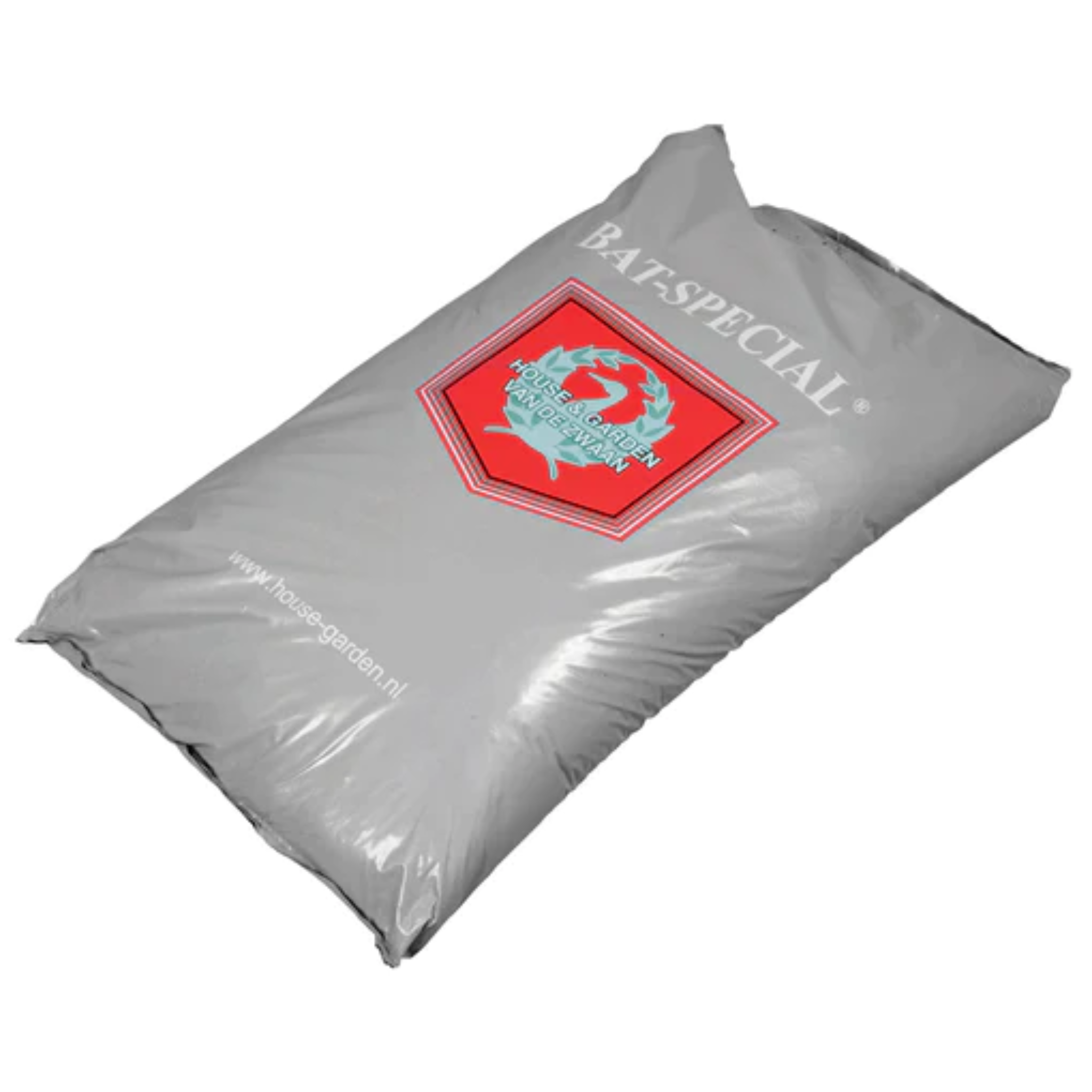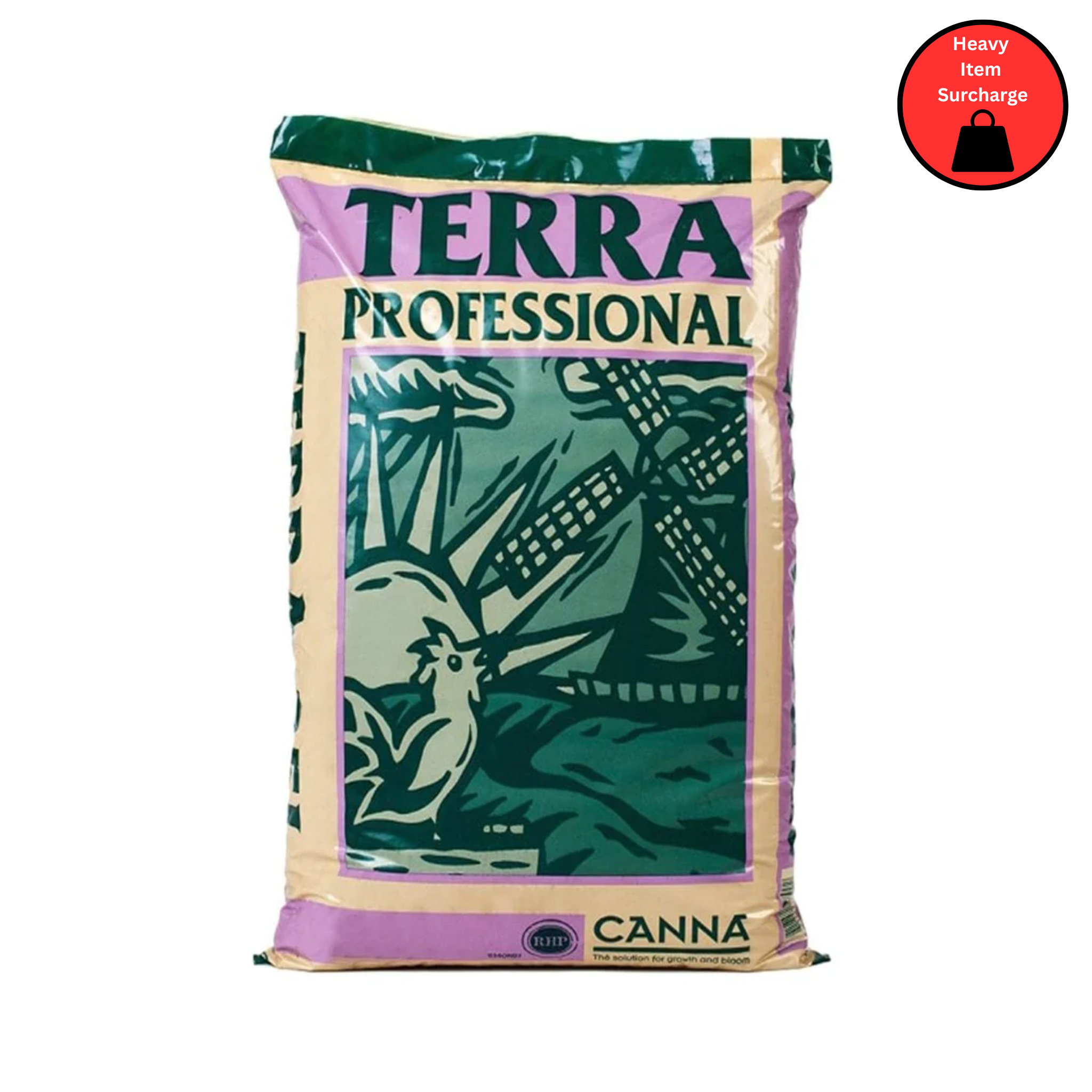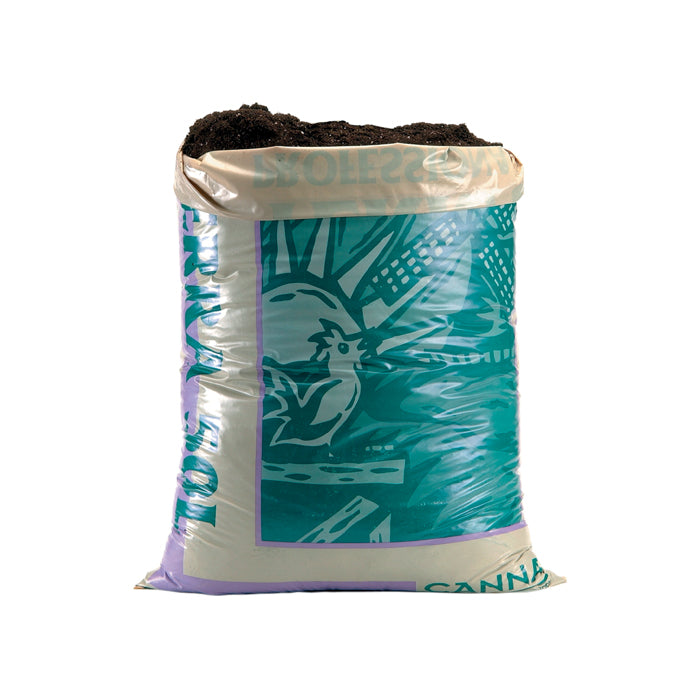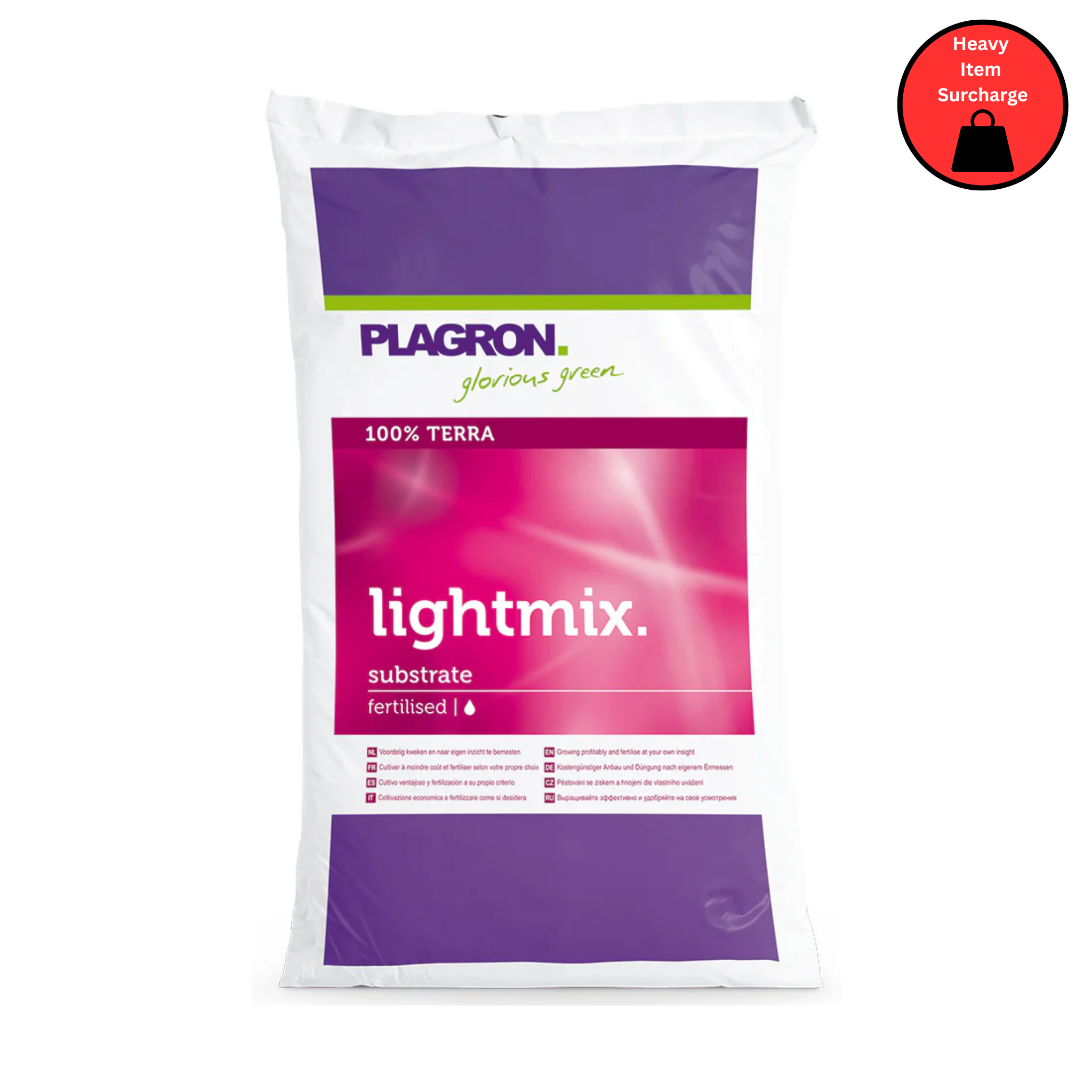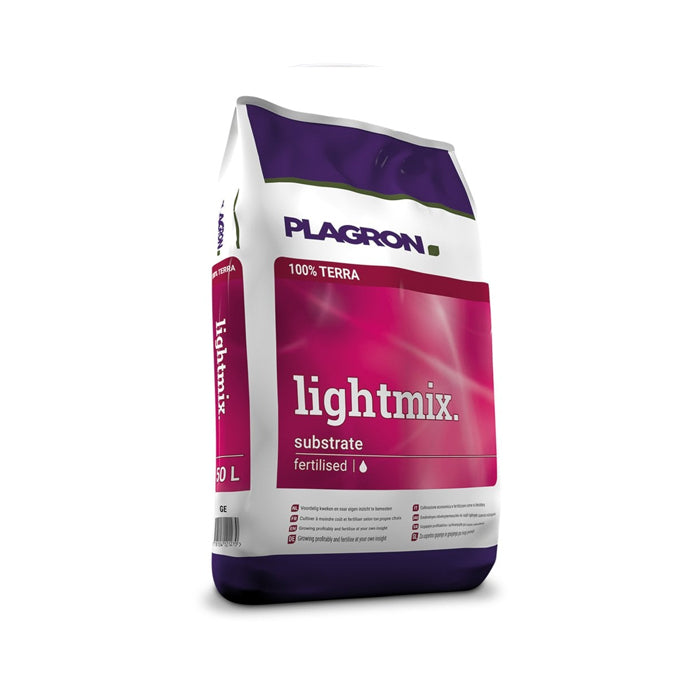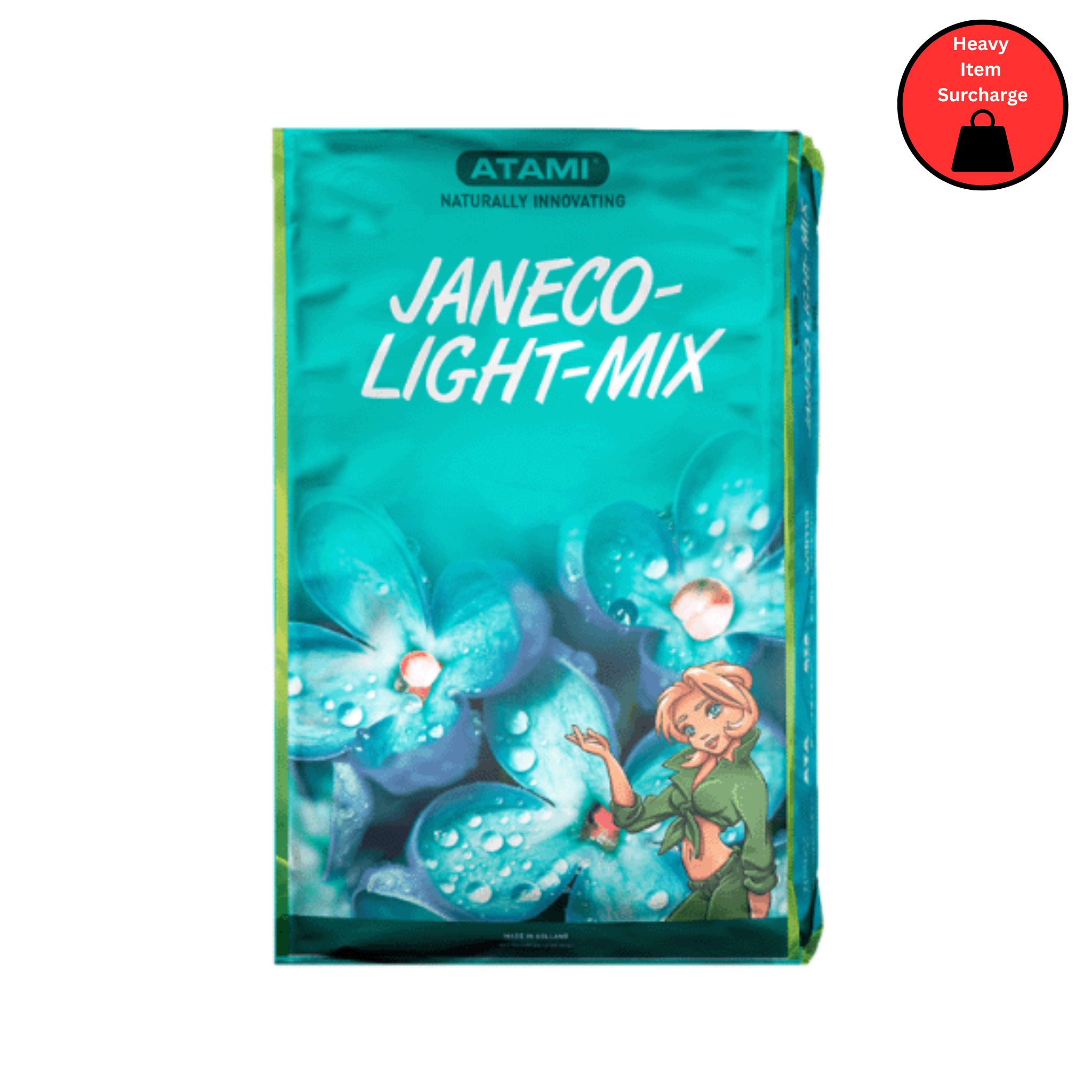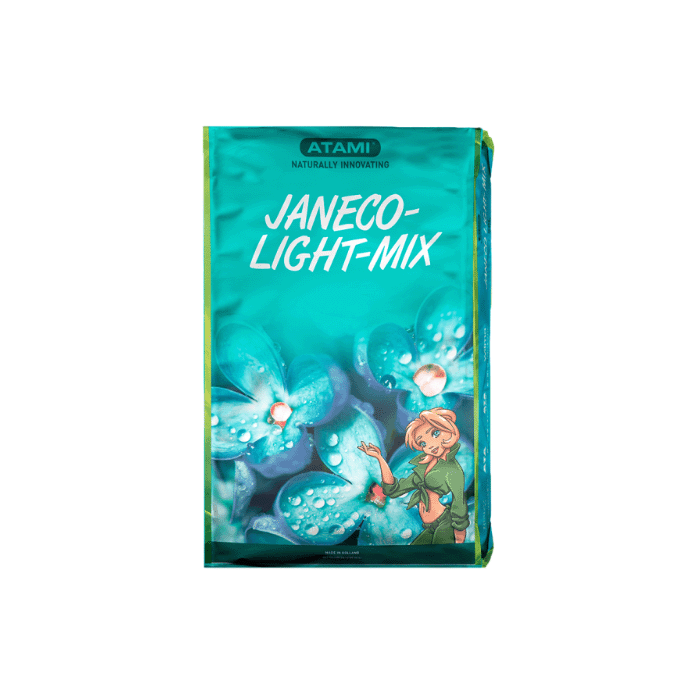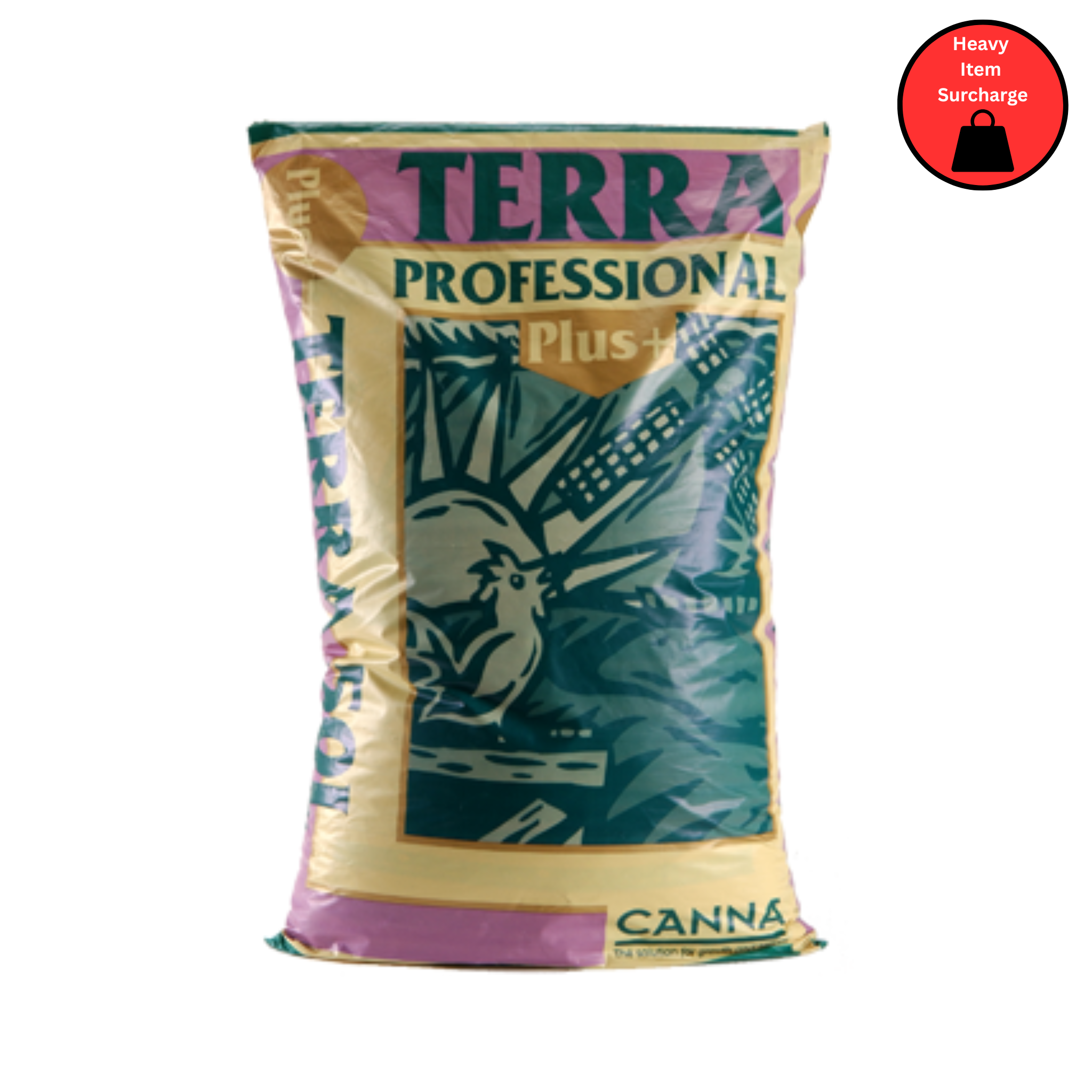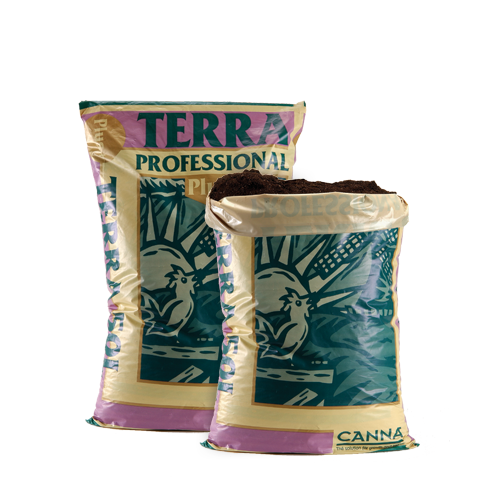
Shop soil mixes for indoor growing and container plants, including lightly fertilised mixes, richer all-mix substrates, bat mixes, living soils and specialist repotting media. Each formulation offers a different balance of nutrition, water retention, drainage and air capacity for healthy root development.
Choose from recognised growing-media brands in practical bag sizes for seedlings, established plants and complete grow-room setups. Compare the nutrient charge, ingredients, intended crop and feeding guidance before selecting a soil mix for your pots.
Soil mixes for indoor growing
A commercial soil mix combines several materials to create a repeatable root-zone environment. Depending on the product, the blend may include peat or peat alternatives, composted material, coco, bark, perlite, mineral components and organic or mineral fertilisers. The recipe determines how the mix holds moisture, drains, resists compaction and supplies early nutrition.
Product names such as Light Mix, All-Mix, Bat Mix and Living Soil describe broad categories rather than one universal formula. Always read the individual product information because nutrient strength, pH management, amendment content and recommended feeding can differ significantly between brands.
Types of soil and compost mix
Lightly fertilised soil mixes
Light mixes contain a relatively mild starter charge, giving growers more control over when a separate nutrient programme begins. They are commonly selected for seedlings, rooted cuttings, sensitive plants and feeding schedules where strong pre-fertilisation would be unsuitable. A light mix is not necessarily nutrient free, so check the label before applying additional feed.
All-mix and enriched soils
All-mix products are generally more heavily fertilised than light mixes and may support established plants for an initial period. They can simplify early feeding, but adding a full nutrient programme too soon may create excessive concentration in the root zone. Follow the soil and nutrient manufacturers' guidance rather than assuming every enriched bag lasts for the same number of weeks.
Bat mixes and organic-enriched substrates
Bat mixes may contain bat guano alongside composted or mineral ingredients. Their nutrient profile and strength vary, so they are usually better suited to established plants than delicate seedlings unless the manufacturer states otherwise. Growers looking specifically for biologically active and naturally amended products can also explore our Organic Growing Media collection.
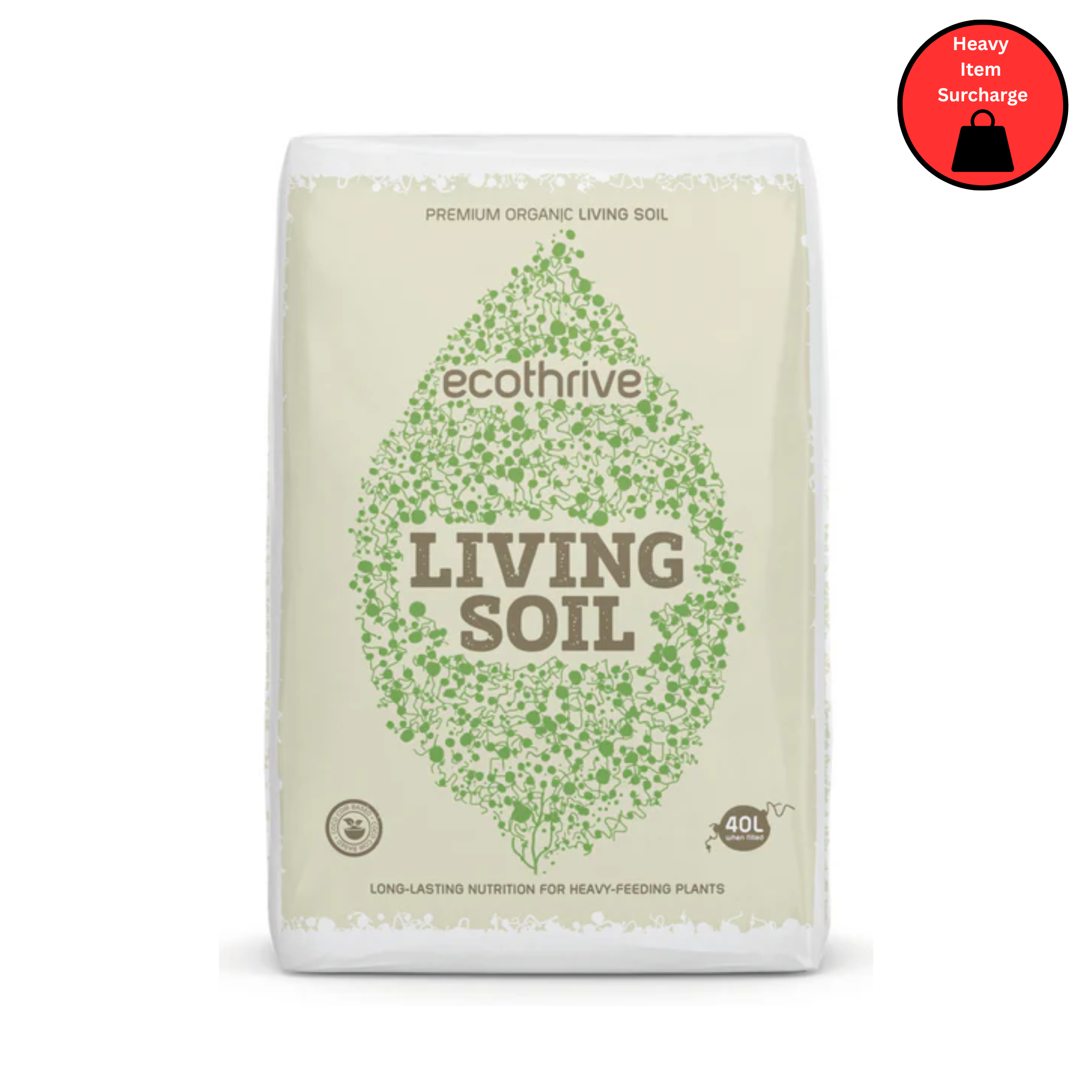
Living soil
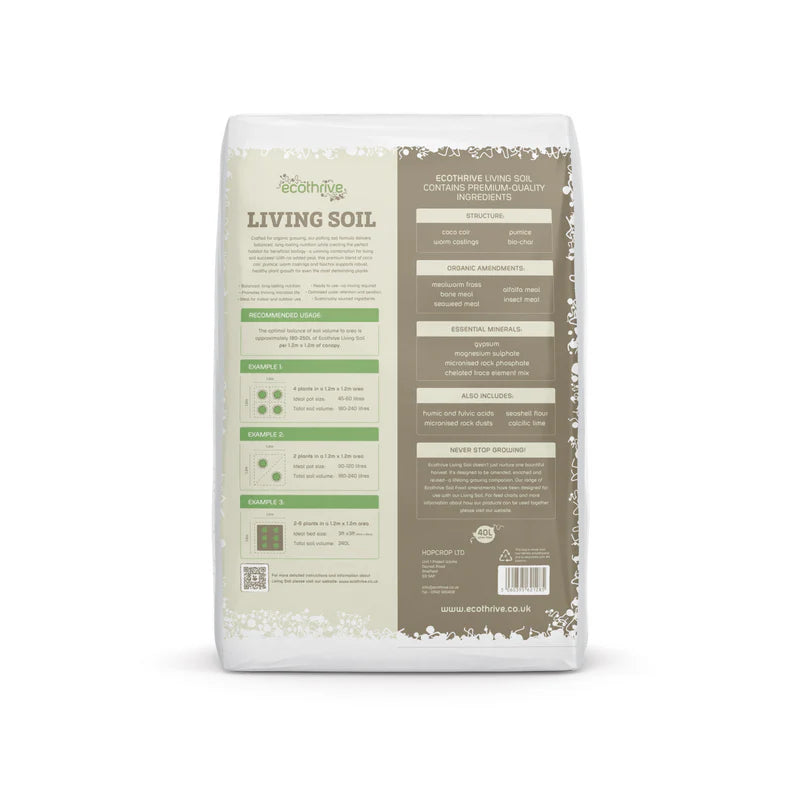
Living soil is formulated around an active biological system and typically contains organic matter, minerals and microbial components. It should be managed according to the maker's programme, with attention to moisture and the compatibility of any additional inputs. Treating living soil like an inert hydroponic substrate can disrupt the intended nutrient cycle.
Specialist repotting mixes
Houseplants, cacti and succulents can require different moisture and drainage characteristics. A specialist mix is designed around those needs rather than around a general indoor-growing schedule. Select the correct crop type and do not assume a moisture-retentive houseplant compost will suit a drought-adapted cactus.
Light Mix compared with All-Mix
- Nutrient strength: Light Mix usually begins with a milder charge; All-Mix is typically richer.
- Feeding control: Light Mix allows earlier control through bottled nutrients; All-Mix may delay additional feeding.
- Plant stage: Light Mix is often selected for young or sensitive plants; All-Mix commonly suits established plants.
- Monitoring: both require observation of plant response, pot moisture and drainage.
- Brand variation: products with similar names can contain different ingredients and nutrient levels.
The correct choice depends on how much control you want over nutrition and how established the plant is. If you intend to follow a complete bottled feed programme from an early stage, a lightly fertilised substrate may be easier to coordinate. If you prefer a richer starting medium, choose an All-Mix designed for the crop and adjust feeding accordingly.
Choosing the right soil mix
Check the plant and growth stage
Seedlings and newly rooted cuttings generally tolerate less nutrition than large, actively growing plants. Use the product's stated application rather than choosing by bag size or price alone. Our Cutting & Seedling Mediums collection includes specialist plugs, cubes and lighter substrates for early propagation.
Decide how you want to feed
Consider whether the substrate is designed for bottled mineral nutrients, organic liquid feeds, dry amendments or a living-soil method. Combining programmes can duplicate nutrients or disrupt the intended balance. Choose one coherent approach and follow the relevant manufacturer instructions.
Compare water retention and drainage
Fine organic material retains moisture, while coarse particles create larger air spaces and drainage paths. Pot design, temperature, humidity and plant size also affect drying speed. If you need to adjust a substrate yourself, use only suitable horticultural materials from our Perlite & Vermiculite collection and measure the blend consistently.
Match the mix to the container
Large pots remain wet longer than small pots when filled with the same medium. Fabric pots, rigid plastic containers and self-watering planters also behave differently. Ensure the container has suitable drainage and avoid placing a small root system into more wet soil than it can use efficiently.
How to prepare and use bagged soil
- Read the bag for crop suitability, nutrient charge and feeding recommendations.
- Open the substrate in a clean working area and inspect it before filling pots.
- Loosen compacted material gently without crushing its structural components.
- Fill clean containers evenly and avoid compressing the soil heavily.
- Leave enough headspace for controlled watering without overflow.
- Water evenly and confirm that surplus moisture can drain from the pot.
Bag volume is measured when packed and the material can settle during transport. Calculate the approximate volume of all containers before ordering and allow a reasonable margin. Store unused media sealed in a cool, dry place away from pests, standing water and chemical contamination.
Watering soil-grown plants
Water according to the plant, pot and environment rather than a fixed calendar. Check moisture below the surface and learn the weight of a recently watered pot compared with one approaching irrigation. Apply water gradually across the root zone instead of repeatedly soaking one small area.
Soil can remain wet for too long when pots are oversized, drainage is blocked, temperatures are low or the plant has a small root system. Persistent saturation reduces oxygen around roots. Correct the underlying cause rather than simply extending the interval after every heavy watering.
Feeding plants in soil mixes
Start by identifying how much nutrition the soil already contains. Rich mixes may need only water initially, while light mixes can require supplemental feeding sooner. Use a suitable product from our Soil Nutrients collection and follow the recommended dosage for the exact substrate and plant stage.
Add concentrated products to water separately and mix thoroughly. Avoid applying several nutrient systems at once or adding amendments without accounting for the existing fertiliser charge. Where pH or conductivity measurement forms part of the chosen programme, use clean and calibrated pH and EC meters.
Soil amendments and custom blends
Perlite, vermiculite, worm castings and mineral amendments are ingredients rather than complete soil mixes. They can change drainage, water retention, structure or nutrition, but more is not automatically better. Follow a tested recipe or the amendment manufacturer's rate to avoid producing an inconsistent or overly rich substrate.
If you want a soilless root zone rather than compost-based media, compare Coco Coir and Coco Blends & Mixes. Keeping those collections separate helps you select the correct nutrient and irrigation approach from the start.
Repotting and transplanting into soil
- Prepare the receiving pot and mix before removing the plant from its old container.
- Support the root ball and avoid pulling the plant by its stem.
- Set the plant at an appropriate depth without burying healthy stem unnecessarily.
- Fill around the roots gently rather than compacting the soil hard.
- Water according to the new mix and allow surplus moisture to drain.
- Reduce abrupt changes in light, temperature and feeding immediately after transplanting.
Can potting soil be reused?
Used soil may contain old roots, depleted nutrients, accumulated salts, pests or pathogens. Reuse should only be considered when the previous crop was healthy and the material can be assessed and refreshed appropriately. Adding fertiliser without knowing the remaining nutrient level can create an unbalanced mix.
When hygiene and consistency are priorities, fresh bagged soil is the safer option. Dispose of or recycle spent growing media according to local guidance and never return used soil to an unopened bag.
Why buy soil mixes from Holland Horticulture?
Established in 1996, Holland Horticulture supplies soil mixes, nutrients, pots and hydroponic equipment to beginners, experienced indoor gardeners and commercial growers. Our range includes recognised substrates from BioBizz, CANNA, Plagron, Gold Label, Plant Magic, Kaizen and other established manufacturers, supported by experienced advice, UK delivery and Click & Collect.
Return to our Growing Media hub to compare soil, coco, mineral, organic and propagation substrates.
Soil mixes FAQs
What is the difference between Light Mix and All-Mix soil?
Light Mix normally contains a milder starter nutrient charge, while All-Mix is generally more heavily fertilised. Exact strength and ingredients vary between brands, so follow the individual bag and feeding instructions.
Is potting soil suitable for indoor growing?
A clean horticultural mix can suit indoor container plants when its drainage, nutrient strength and crop recommendation match the setup. Avoid bringing unverified garden soil indoors because it can compact and introduce pests or contaminants.
Do I need to add nutrients to an All-Mix?
Not necessarily at the beginning. Many All-Mix products contain an initial nutrient charge. Wait for the stage specified by the manufacturer and monitor plant response before adding a separate feed.
Can I use Light Mix for seedlings?
Many light mixes are suitable for seedlings and rooted cuttings because their nutrient charge is restrained, but suitability still depends on the crop and product. Check the bag before sowing or transplanting.
Should I add perlite to potting soil?
Only if the existing mix, crop and container would benefit from additional aeration and drainage. Some commercial soils already contain perlite, so inspect the formulation and follow a measured recipe rather than adding it automatically.
What is bat mix soil?
Bat mix is an enriched growing medium containing bat guano alongside other substrate ingredients. It can be nutrient rich and should be used according to the manufacturer's crop and feeding guidance.
How many litres of soil do I need?
Add the usable volume of every container being filled, accounting for existing root balls and any drainage components. Order a small margin because bagged media can settle and nominal pot capacity may not equal the actual fill volume.