Shop cutting and seedling mediums for propagation, including Rockwool cubes, rooting plugs, coco and peat-free trays, Jiffy pellets, BioPots and lightly fertilised seedling mixes. These purpose-made media provide a manageable balance of moisture, air and support while young roots establish.
Choose individual cubes, refill bags, complete starter trays or loose light-mix substrates to suit seeds, cuttings and your intended transplant system. Always match the medium to the plant, propagator, irrigation method and next-stage growing media.
Propagation media for cuttings and seedlings
Young plants need a stable environment around developing roots. A suitable propagation medium should hold enough moisture to prevent rapid drying while maintaining air spaces and allowing surplus water to drain. It should also be clean, consistent and physically supportive without overwhelming delicate roots with excessive fertiliser.
There is no single best medium for every crop or system. Rockwool can integrate neatly with many hydroponic setups, bonded organic plugs are convenient for cuttings and seeds, compressed pellets save space, and lightly fertilised soil mixes suit growers planning to transplant into a soil-based substrate.
Types of cutting and seedling media
Rockwool propagation cubes
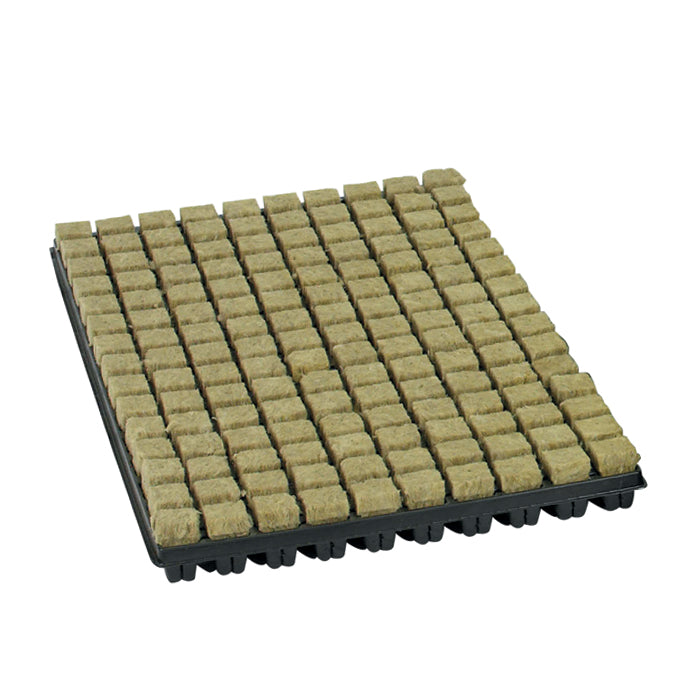
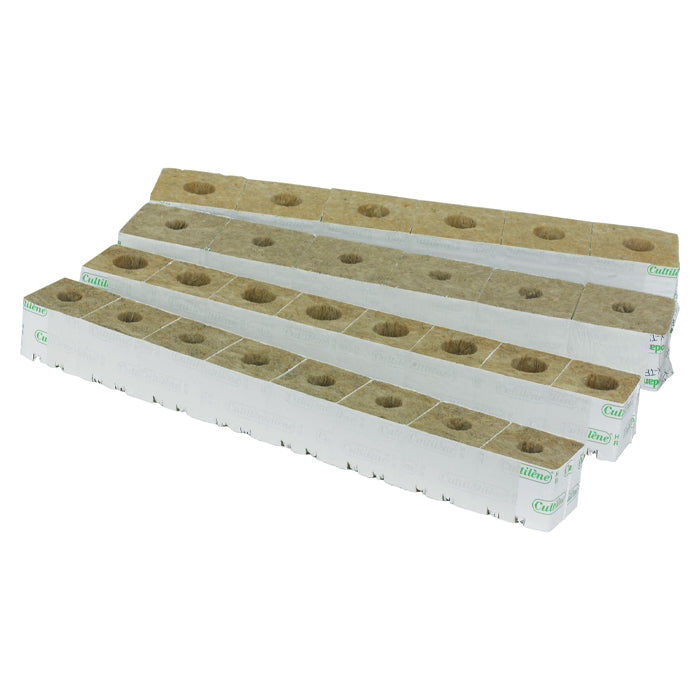
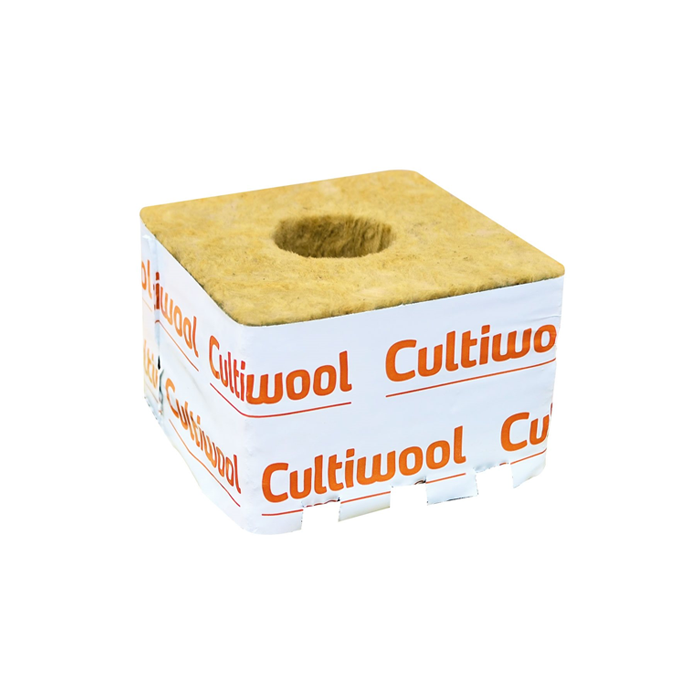
Rockwool cubes are manufactured mineral-fibre blocks with a consistent structure for moisture and air. Small starter cubes are commonly used for germination and rooting before being transferred into larger blocks or compatible hydroponic systems. Our separate Rockwool collection includes additional cube and block formats for later growth stages.
Rockwool requires careful preparation and moisture control. Follow the manufacturer's soaking or conditioning directions, allow surplus solution to drain and avoid squeezing the cube, as compression can damage its internal structure and reduce useful air space.
Bonded rooting plugs
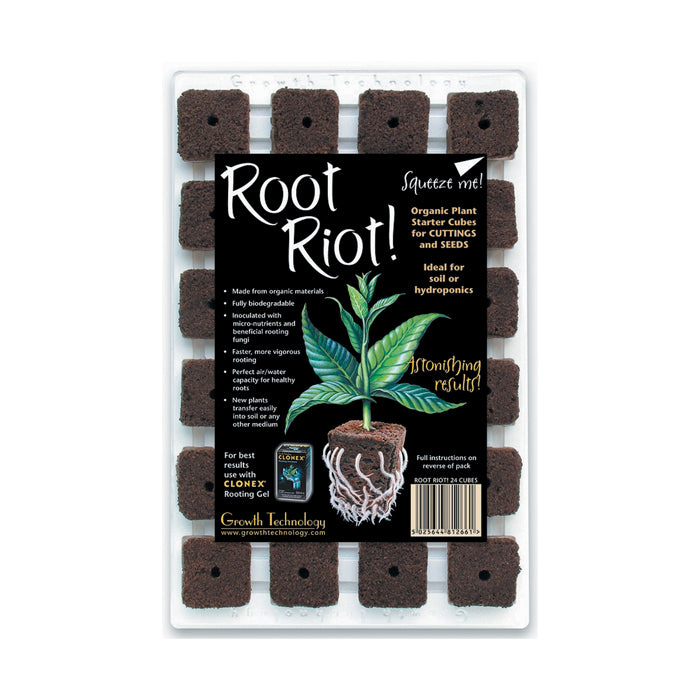
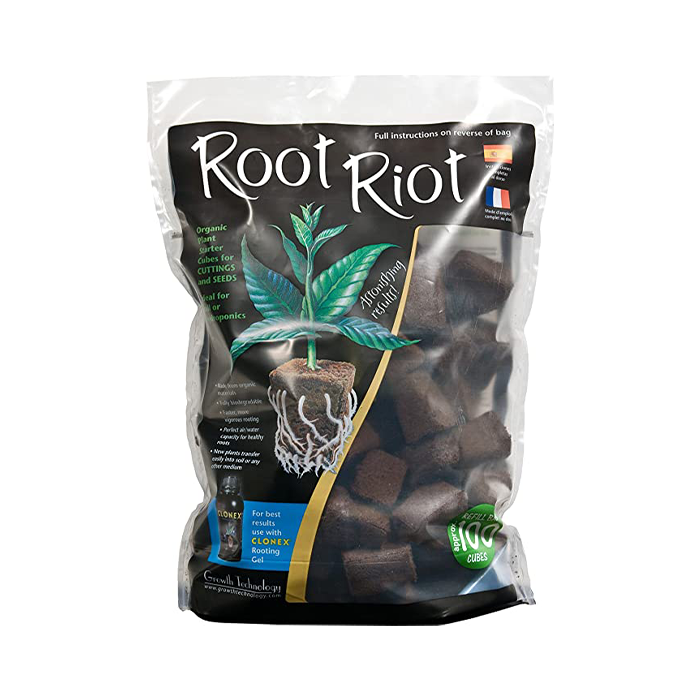
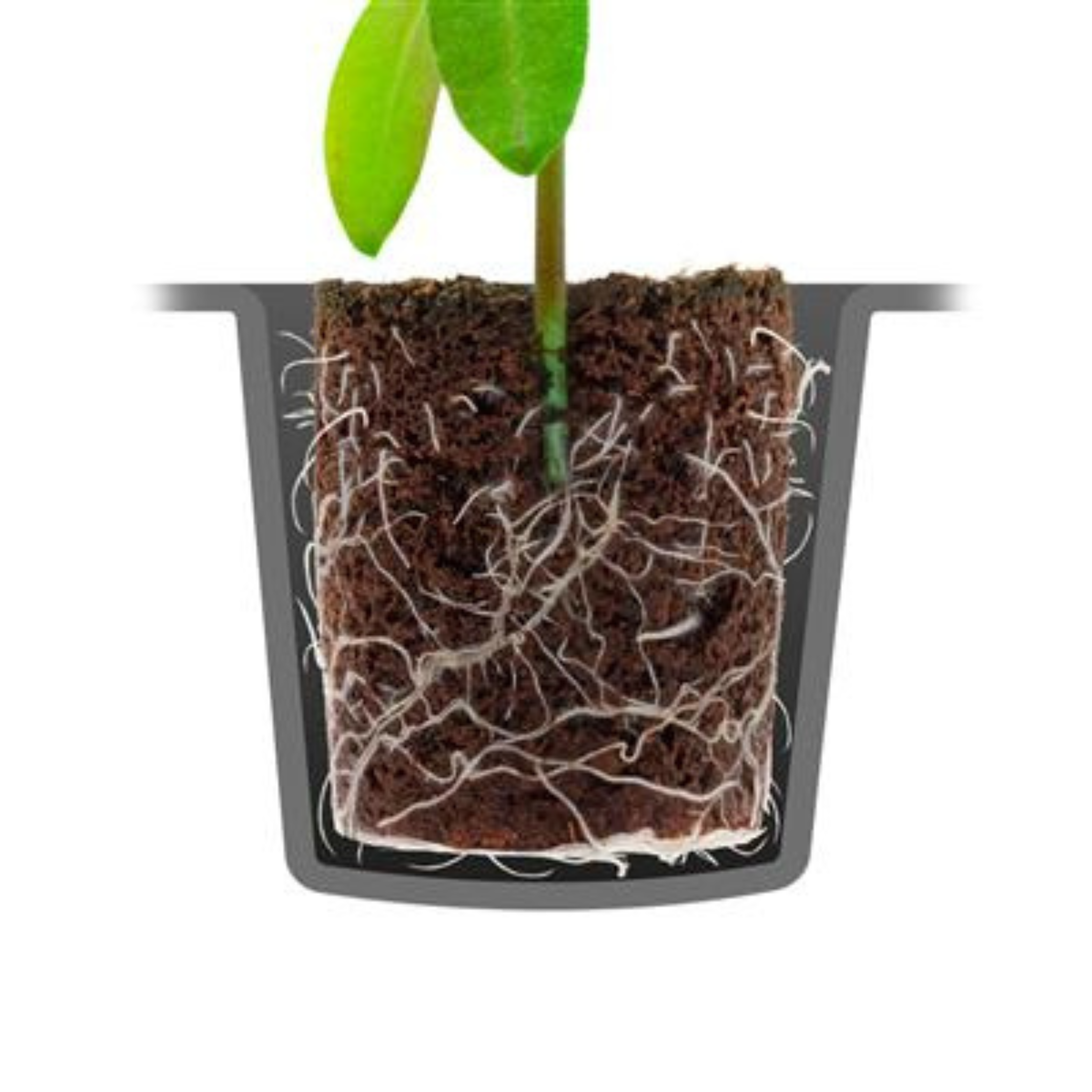
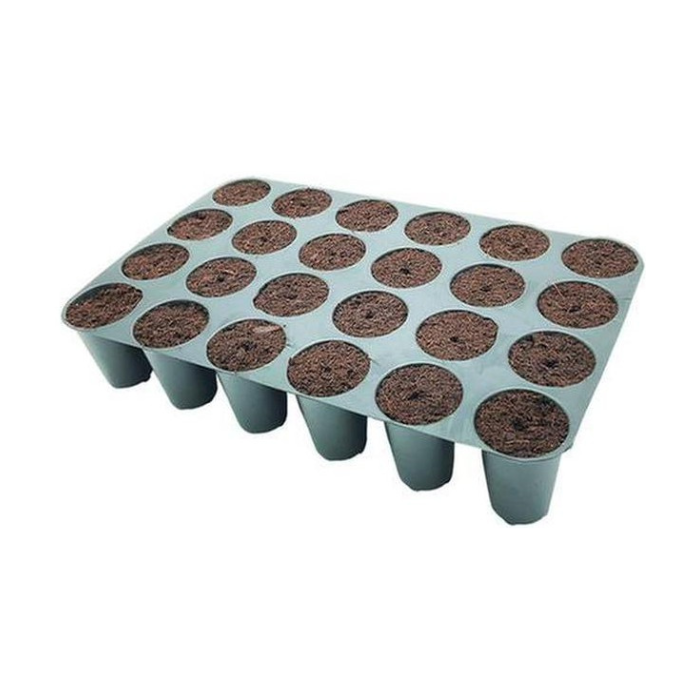
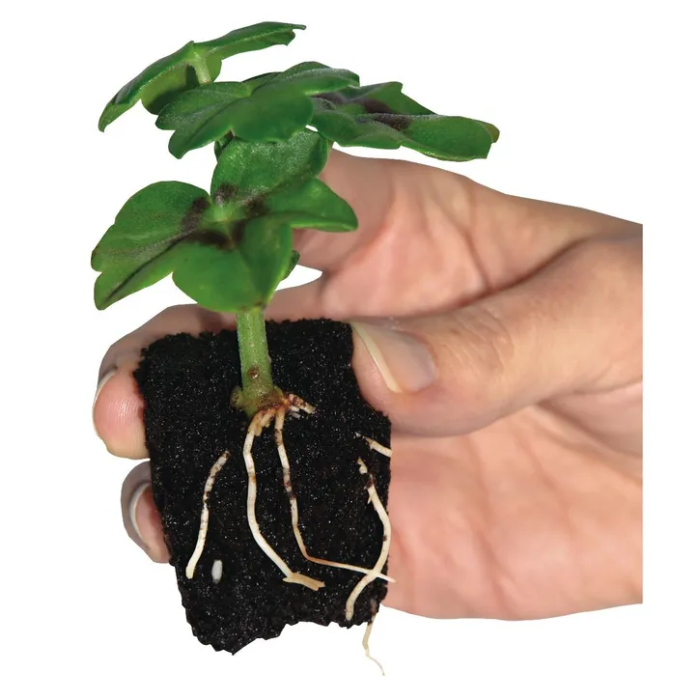
Products such as Root Riot and peat-free Root It plugs hold their shape when handled, making them convenient for trays, propagators and transplanting. The formed hole provides a consistent position for a seed or prepared cutting, while the bonded structure helps protect developing roots during transfer.
Coco propagation plugs and trays
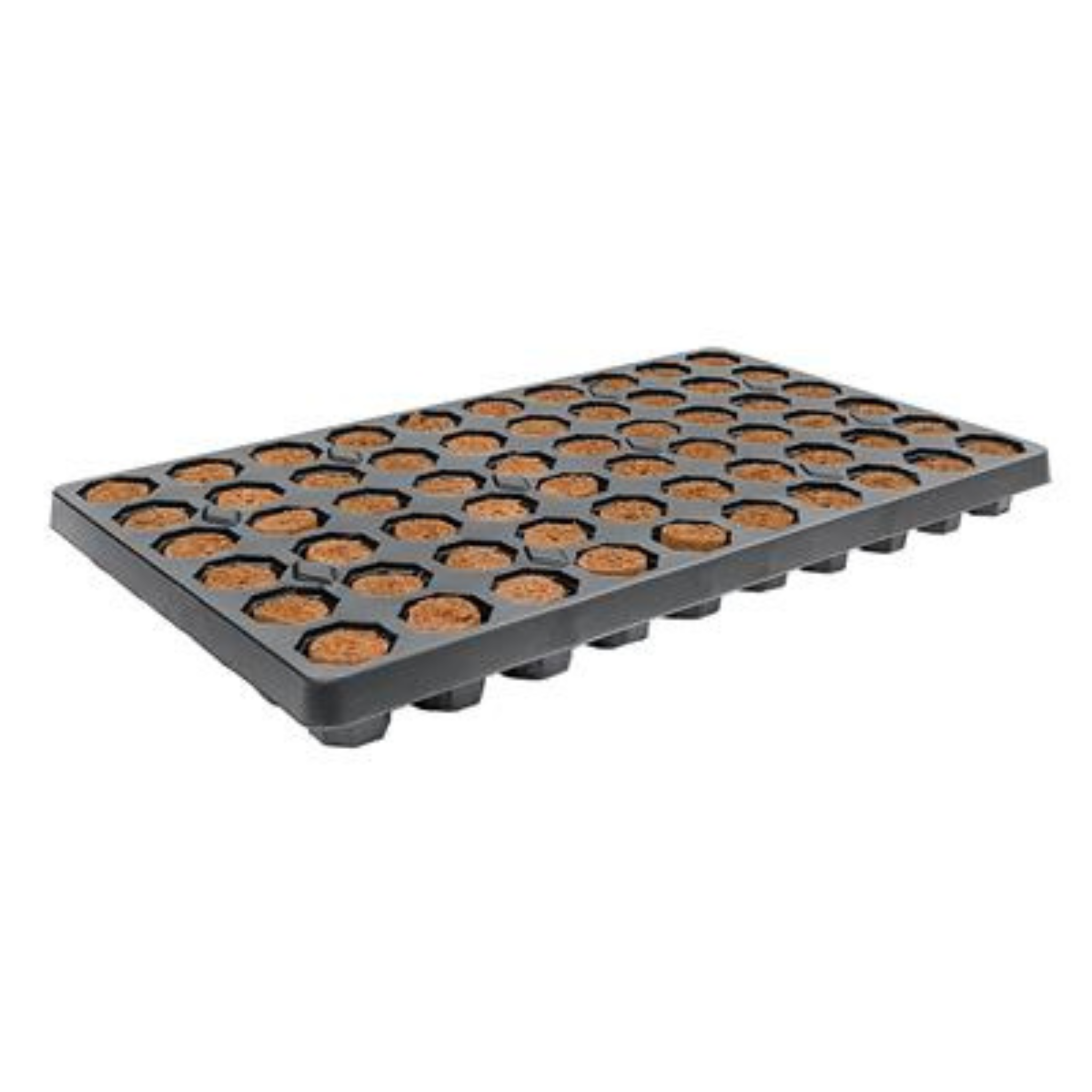
Coco-based plugs use processed coconut coir to retain moisture while maintaining an open structure. They can be a useful choice when plants will move into coco coir or another compatible soilless system. Check whether the plug contains added nutrients or requires a specific preparation method.
Jiffy pellets and compressed plugs
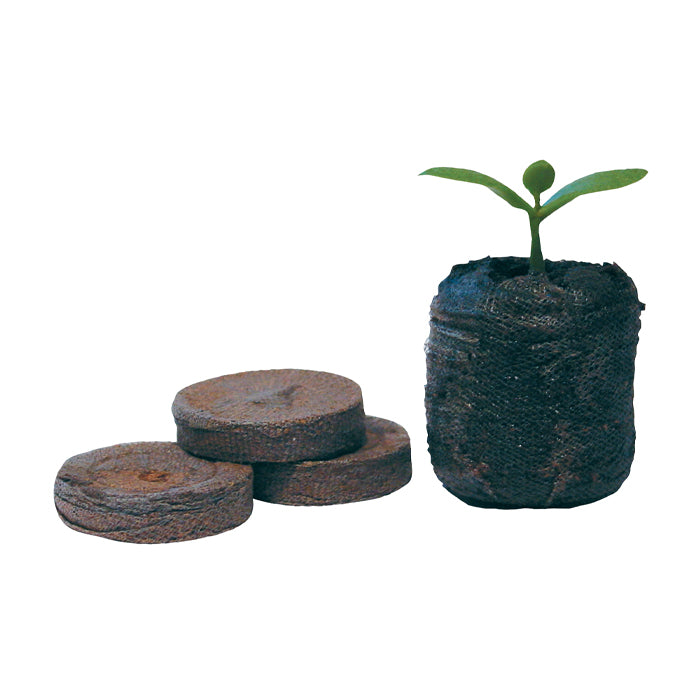
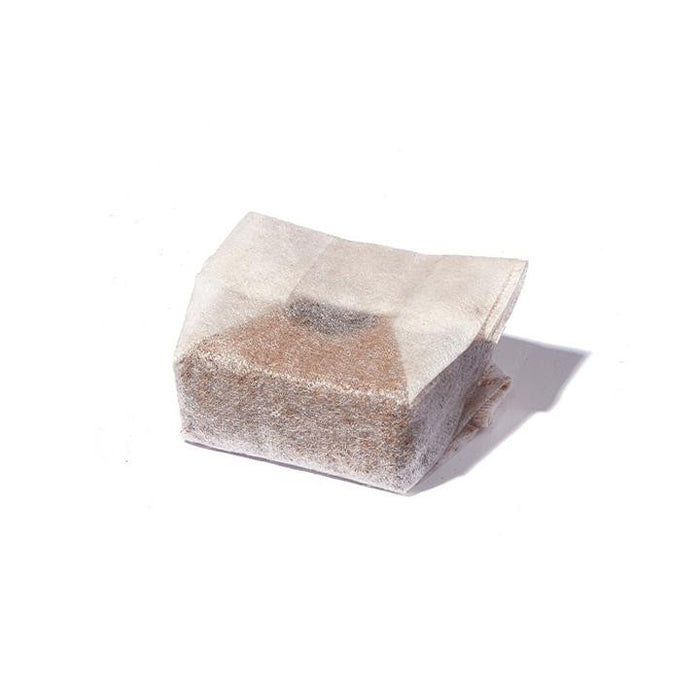
Compressed pellets expand when hydrated and are easy to store before use. Add clean water gradually, allow the pellet to expand completely and adjust the outer material only as directed. Do not plant into a dry centre or leave the expanded pellet standing in deep water.
Lightly fertilised seedling mixes
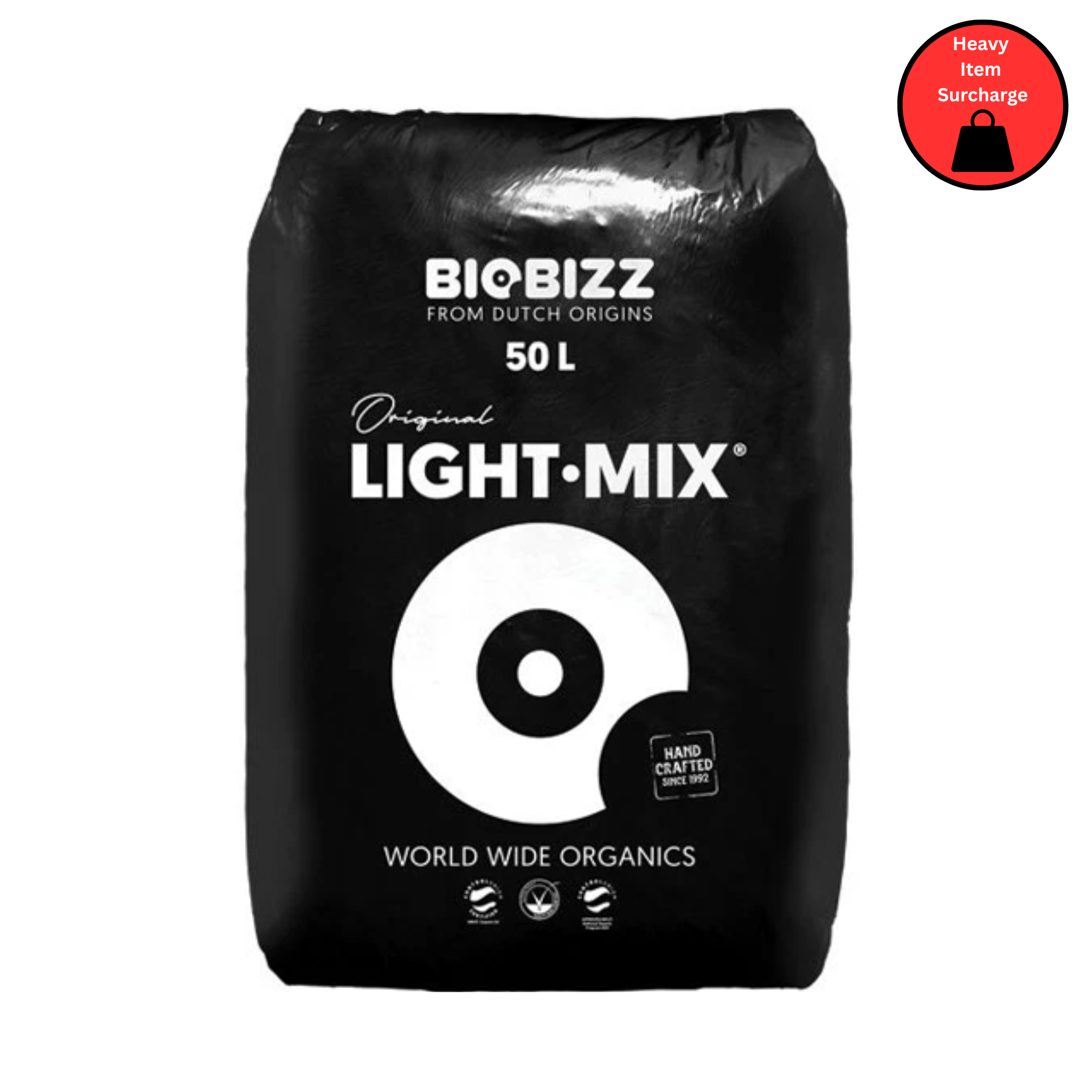
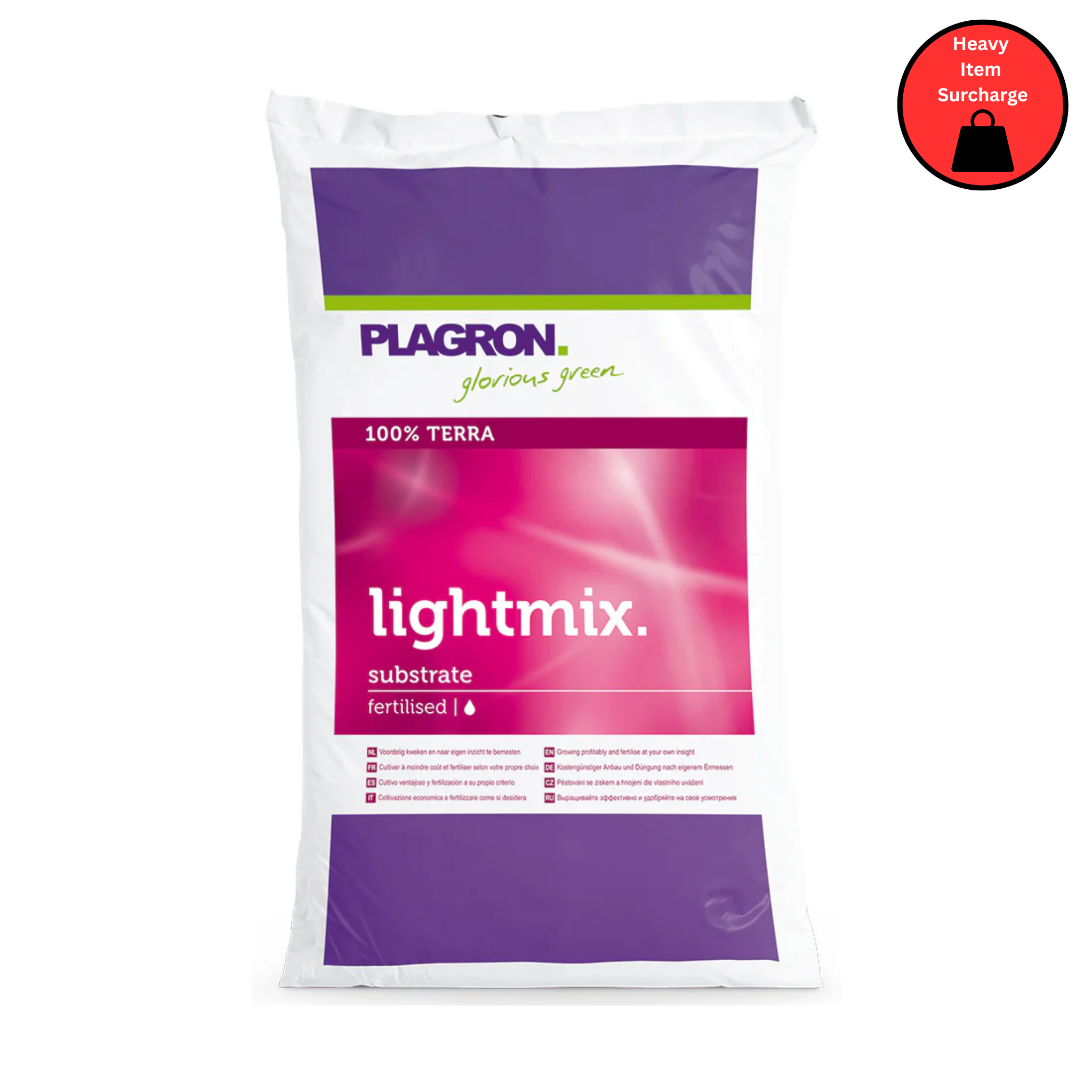
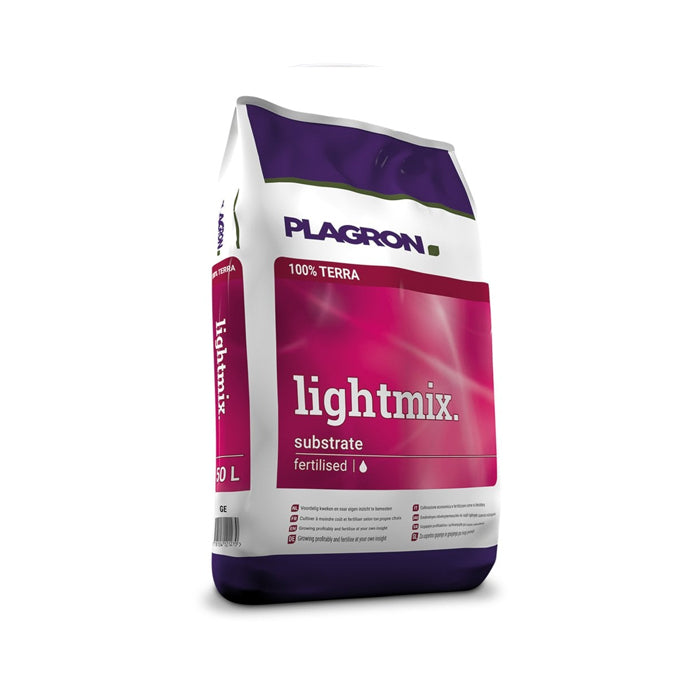
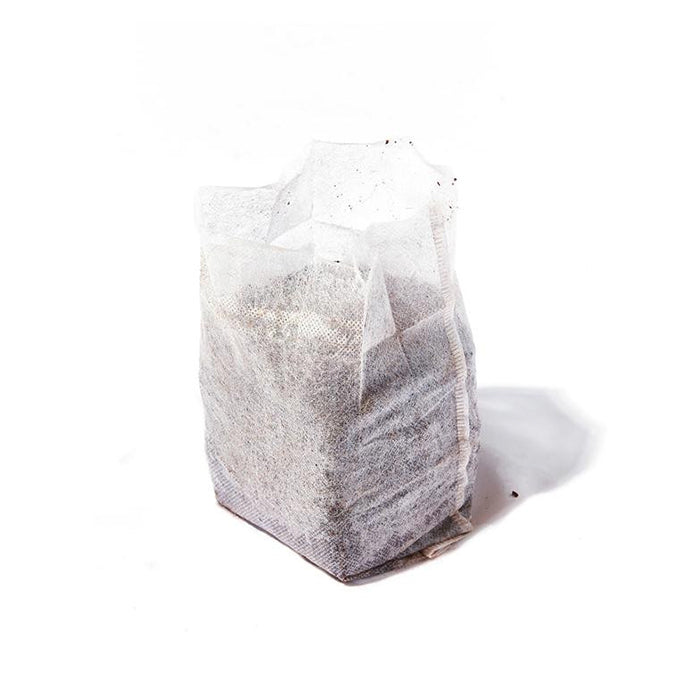
Light-mix substrates contain a relatively restrained nutrient charge compared with richer all-purpose or heavily fertilised soils. They suit seedlings and established cuttings intended for soil-based growing, but the exact formulation varies. Check when supplemental feeding should begin rather than assuming every light mix follows the same schedule.
Choosing a medium for seeds
Seeds generally need even moisture, oxygen and an appropriate temperature. Small plugs or fine, lightly fertilised seedling mixes help maintain close contact around the seed without using a large wet container. Select a hole or sowing depth suitable for the seed size and follow the crop supplier's germination guidance.
- Choose a clean medium with an even, repeatable structure.
- Avoid heavily fertilised substrates unless the crop instructions specifically require them.
- Match the plug size to the expected germination and transplant timescale.
- Maintain moisture without leaving the propagation tray waterlogged.
- Label varieties and sowing dates before placing trays in the propagator.
Choosing a medium for cuttings
A cutting has no established root system, so the medium must keep the stem supported while roots form. Bonded plugs and starter cubes are easy to handle and fit standard propagation trays. The preformed hole should grip the stem gently without crushing it or leaving a large air gap.
Use clean, sharp cutting tools and prepare plant material according to the species. If a rooting compound or stimulant is appropriate, follow its label exactly and avoid contaminating the main container by dipping used stems or tools into it.
Matching the plug to the next growing system
Think about transplanting before choosing a propagation medium. Rockwool starter cubes can fit larger Rockwool blocks or compatible hydroponic baskets. Coco plugs integrate naturally with coco pots, while bonded organic plugs can transfer into many soil, coco and hydroponic systems when the product manufacturer confirms compatibility.
Roots should be established enough to hold the plug together, but plants should not remain confined until they become severely root-bound. Transplant timing depends on species, root development, plug size and environment rather than a fixed number of days.
How to prepare propagation cubes and plugs
- Clean the tray, propagator, tools and working surface before opening the media.
- Read the product instructions for hydration, conditioning and recommended solution strength.
- Moisten the medium evenly without squeezing or compacting it.
- Allow excess water to drain so cubes are moist rather than saturated.
- Insert seeds or cuttings at the correct depth with minimal damage to the plug.
- Place each cube securely in a clean tray and record the variety and date.
Do not prepare more plugs than you can use hygienically. Store unopened media in a clean, dry location and keep opened bags sealed against pests, dust and cross-contamination.
Moisture management during propagation
Small propagation media can dry quickly, but repeated heavy watering can displace oxygen and slow root development. Check the actual moisture and weight of representative plugs rather than watering only by the clock. Apply water gently and evenly, then remove standing runoff unless the tray is designed to retain a controlled amount.
Cubes at the edge of a tray may dry at a different rate from those in the centre. Air movement, heat mats and direct light also affect moisture loss. Inspect the complete tray and correct the environment before compensating for every problem with more water.
Temperature, humidity and propagation lighting
A suitable propagator and tray can help protect young plants and manage humidity. Heated models or thermostatically controlled mats may support crops that require warmer root-zone conditions, but excessive heat can dry plugs quickly or damage roots. Measure the temperature at plant or media level rather than relying only on the room reading.
Seedlings and rooted cuttings also need appropriate light. Position a suitable propagation light according to its coverage and manufacturer guidance. Strong light, high temperature and low humidity increase water demand, while an excessively humid, stagnant environment can encourage weak growth and disease.
Feeding seedlings and cuttings
Some media are inert, while light mixes and amended plugs may contain a starter nutrient charge. Check the product specification before feeding. Applying a full-strength mature-plant programme to unrooted cuttings or newly emerged seedlings can damage young tissue and create unnecessary salt buildup.
Where feeding is required, choose a suitable propagation nutrient and follow its dosage, pH and water-quality guidance. Measure accurately and add concentrates to water separately. Never combine products simply because each is marketed for roots.
Transplanting without damaging young roots
- Transplant when roots are established but before they circle or mat heavily around the tray.
- Handle the plug or cube rather than pulling the plant by its stem.
- Prepare the receiving pot and growing medium before lifting the young plant.
- Keep the top of the plug at an appropriate depth rather than burying the stem unnecessarily.
- Water in according to the receiving medium and crop programme.
- Reduce abrupt changes in temperature, humidity and light intensity.
Why buy propagation media from Holland Horticulture?
Established in 1996, Holland Horticulture supplies cutting and seedling media, propagators, rooting products and hydroponic equipment to beginners, experienced indoor gardeners and commercial growers. Our range includes recognised propagation products from Growth Technology, Root It, Plug Life, BioBizz, Plagron and other established manufacturers, supported by experienced advice, UK delivery and Click & Collect.
Explore the complete Propagation hub for lights, propagators, heat mats, rooting products and accessories, or return to our Growing Media hub to compare later-stage substrates.
Cutting and seedling media FAQs
What is the best growing medium for seedlings?
The best option depends on the seed, environment and intended transplant system. Small propagation plugs, Rockwool starter cubes and lightly fertilised seedling mixes can all work when moisture, temperature and hygiene are managed correctly.
Can I use the same plugs for seeds and cuttings?
Many propagation plugs are suitable for both, but the planting depth, moisture level and environment may differ. Check the product instructions and the requirements of the plant being propagated.
Should Rockwool cubes be soaked before use?
Rockwool usually requires preparation with an appropriately adjusted solution, but the method and duration vary. Follow the cube manufacturer's directions and allow surplus solution to drain without squeezing the block.
Are Root Riot plugs peat free?
Formulations and ranges can change, so check the current product label rather than assuming from the product type. If peat-free construction is essential, choose a product explicitly identified as peat free.
When should I transplant a seedling plug?
Transplant when the plant is established and enough roots hold the medium together, before severe crowding or root binding develops. Timing varies with species, plug size and growing conditions.
Do propagation plugs need nutrients?
Inert plugs may require a mild, appropriate feed once the plant needs it, while amended media can already contain starter nutrition. Check the product and nutrient instructions before adding anything.
Why are my propagation cubes staying too wet?
Common causes include overwatering, poor tray drainage, low temperature, limited air movement or a small root system using little water. Correct the cause and avoid squeezing cubes, which can damage their structure.