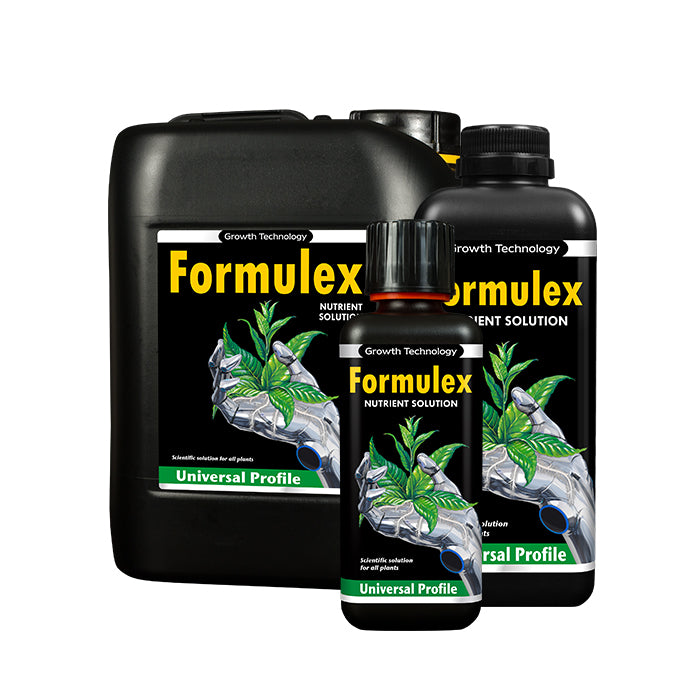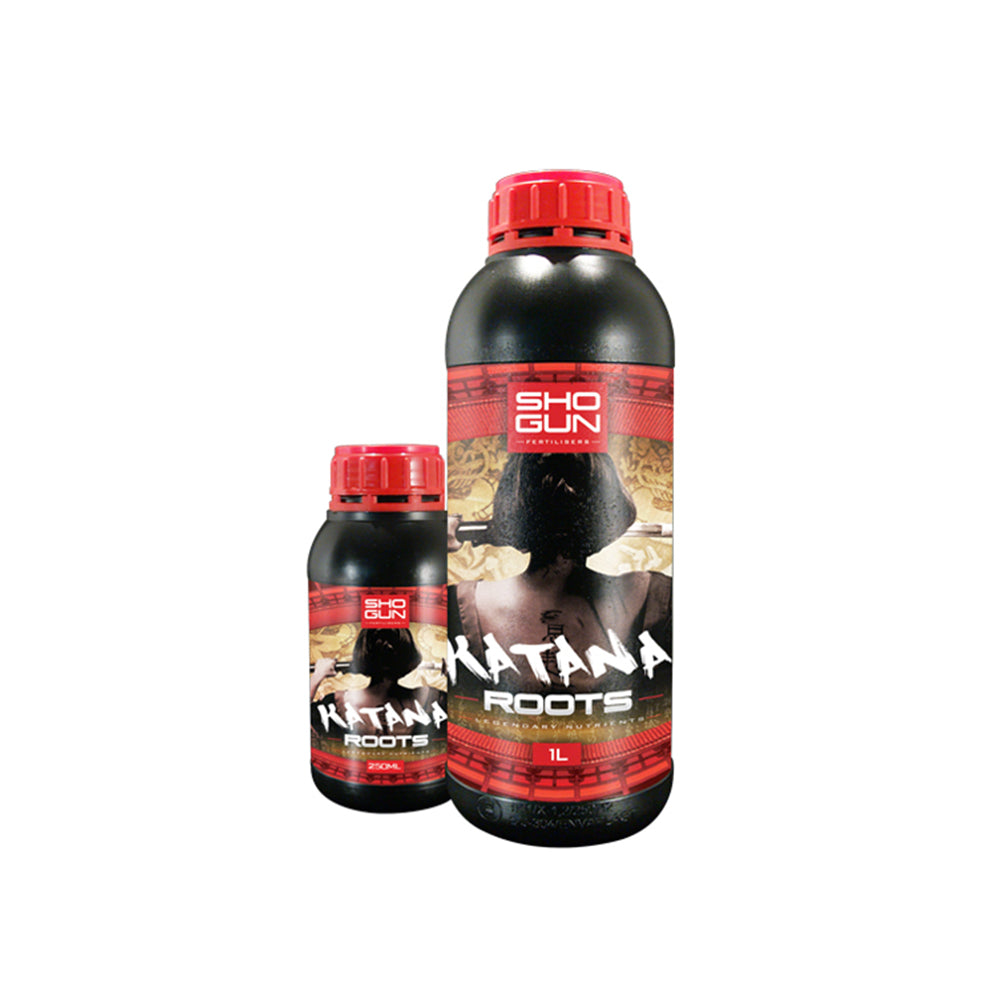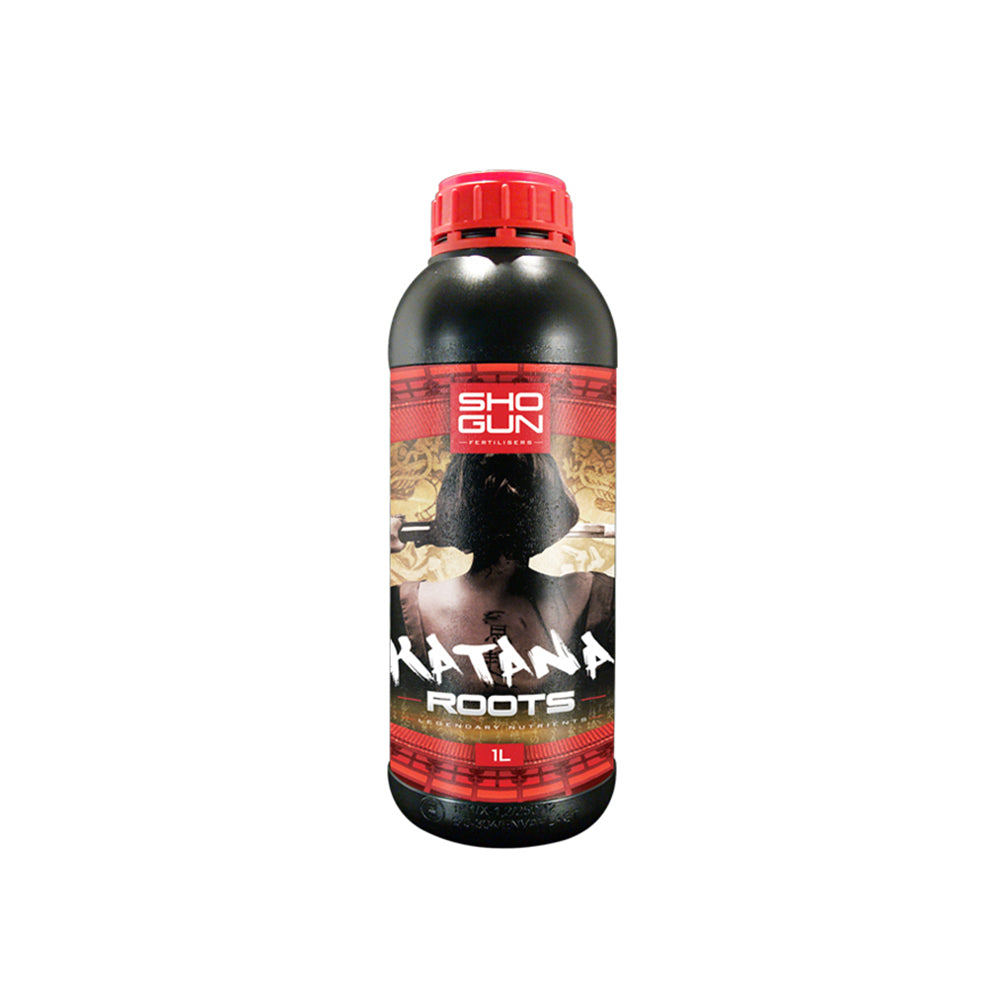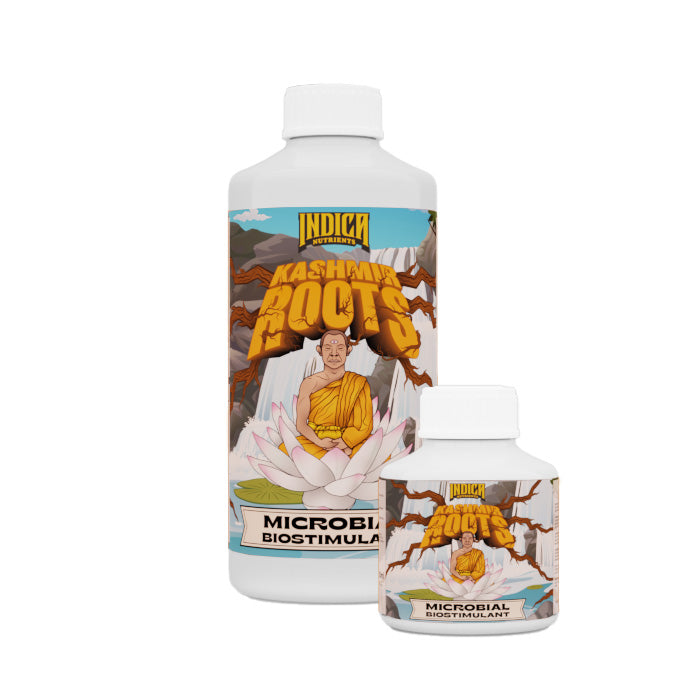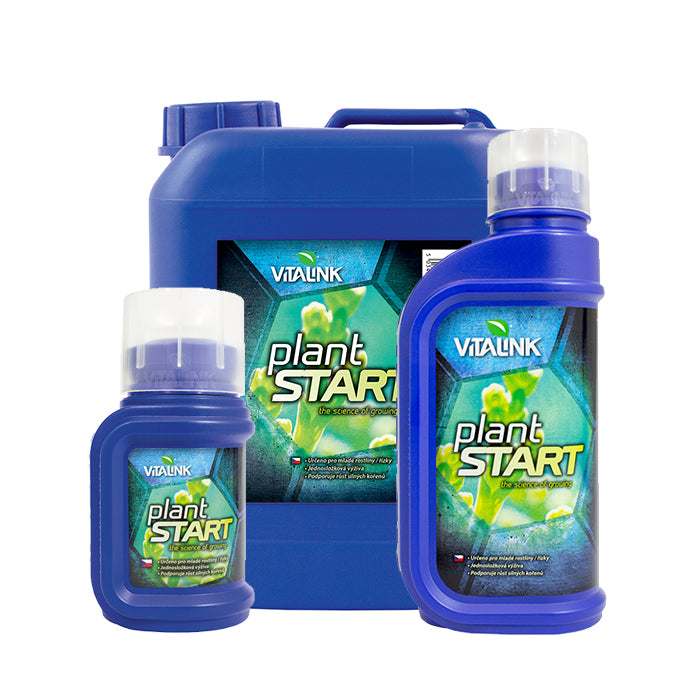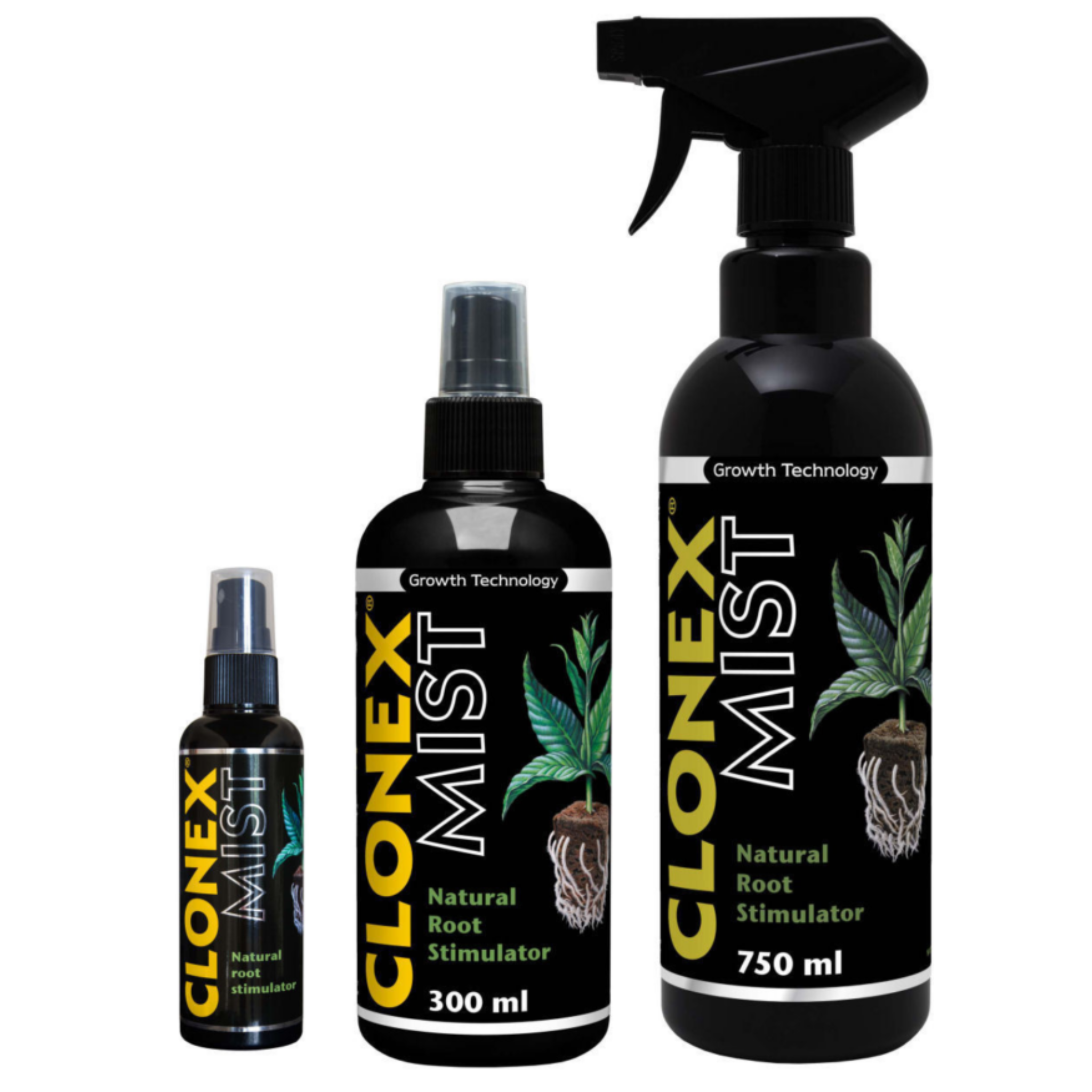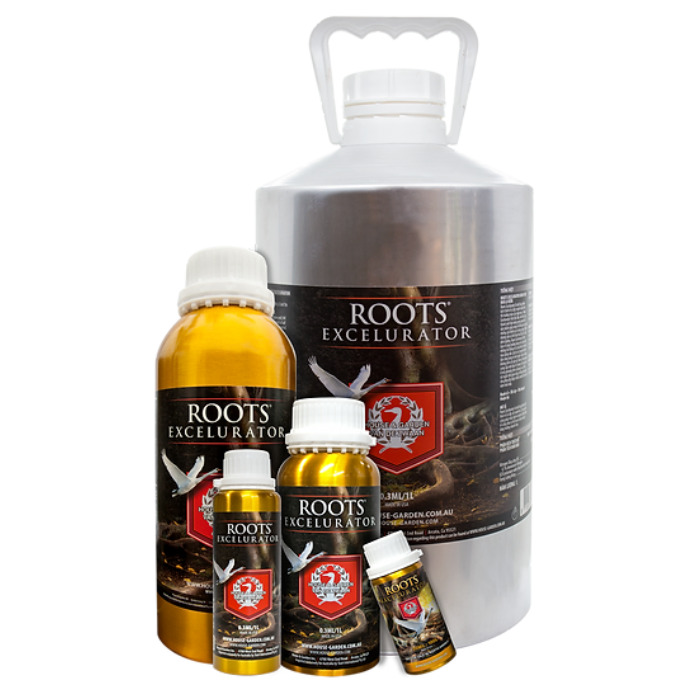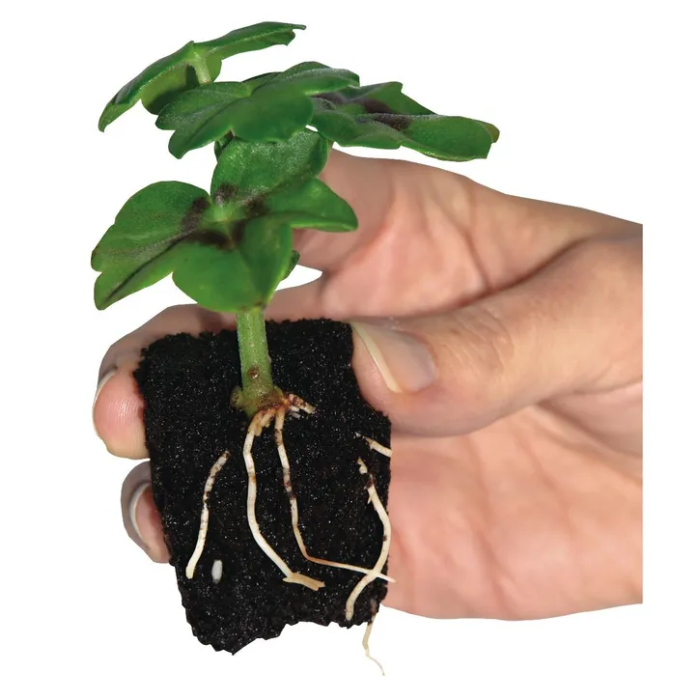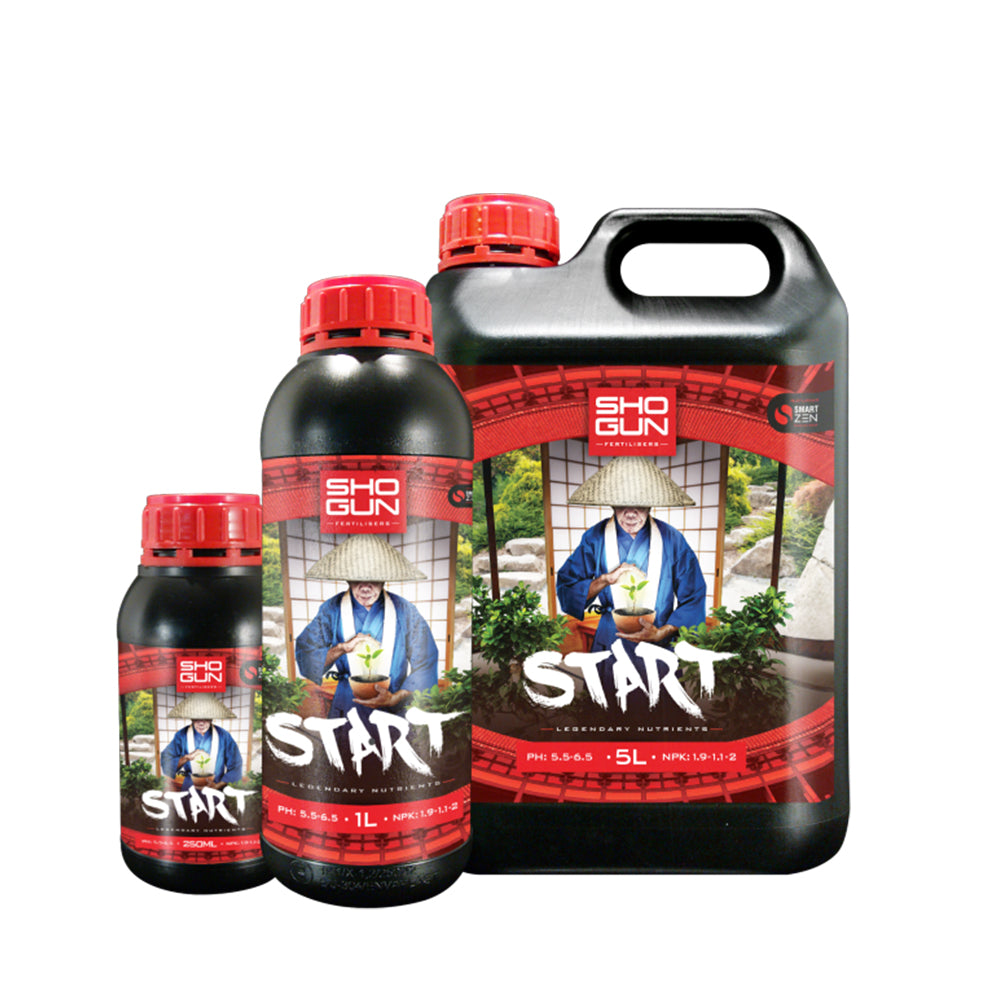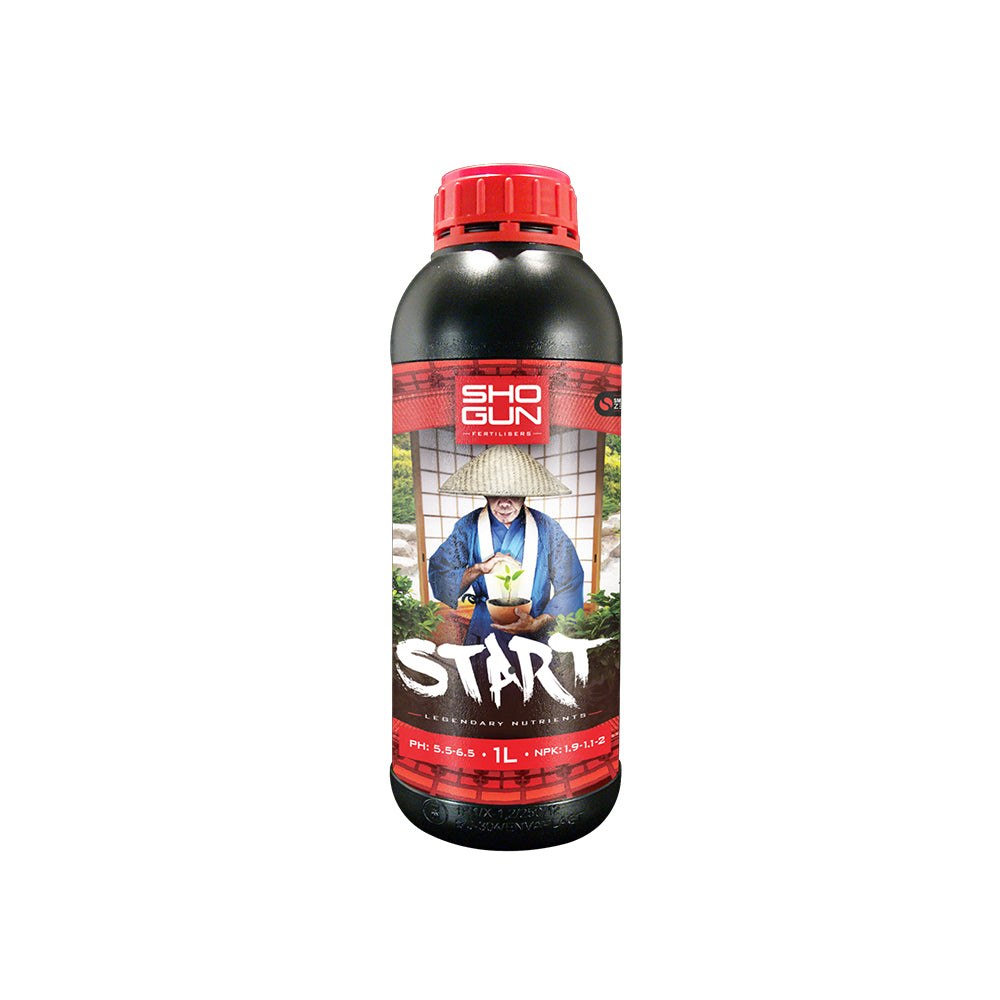
Shop rooting compounds and stimulants for plant cuttings and early root development. Compare rooting gels, cutting mists, root stimulators and concentrated boosters from ROOT!T, Clonex, Shogun, House & Garden, VitaLink and other established propagation brands.
Rooting products perform different jobs: a gel or compound is normally applied when a cutting is prepared, while a root stimulant is generally diluted into water or feed during establishment. Always follow the individual label for dosage, application method, crop suitability and system compatibility.
Rooting compounds and stimulants for successful propagation
Healthy root development depends on the full propagation environment, not one product alone. Clean cutting technique, suitable media, stable warmth, controlled humidity, gentle light and careful watering all influence how a cutting establishes. A correctly selected rooting product can support that process, but it cannot compensate for damaged plant material, saturated media or unsuitable conditions.
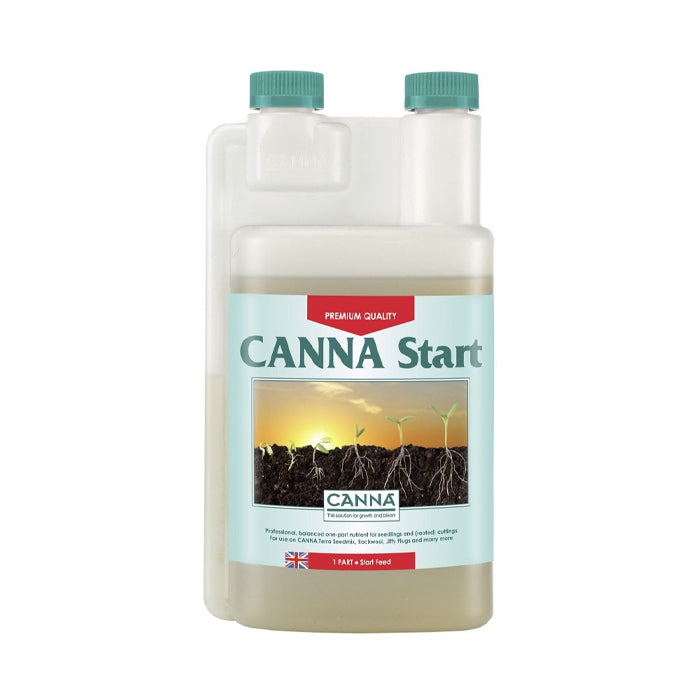
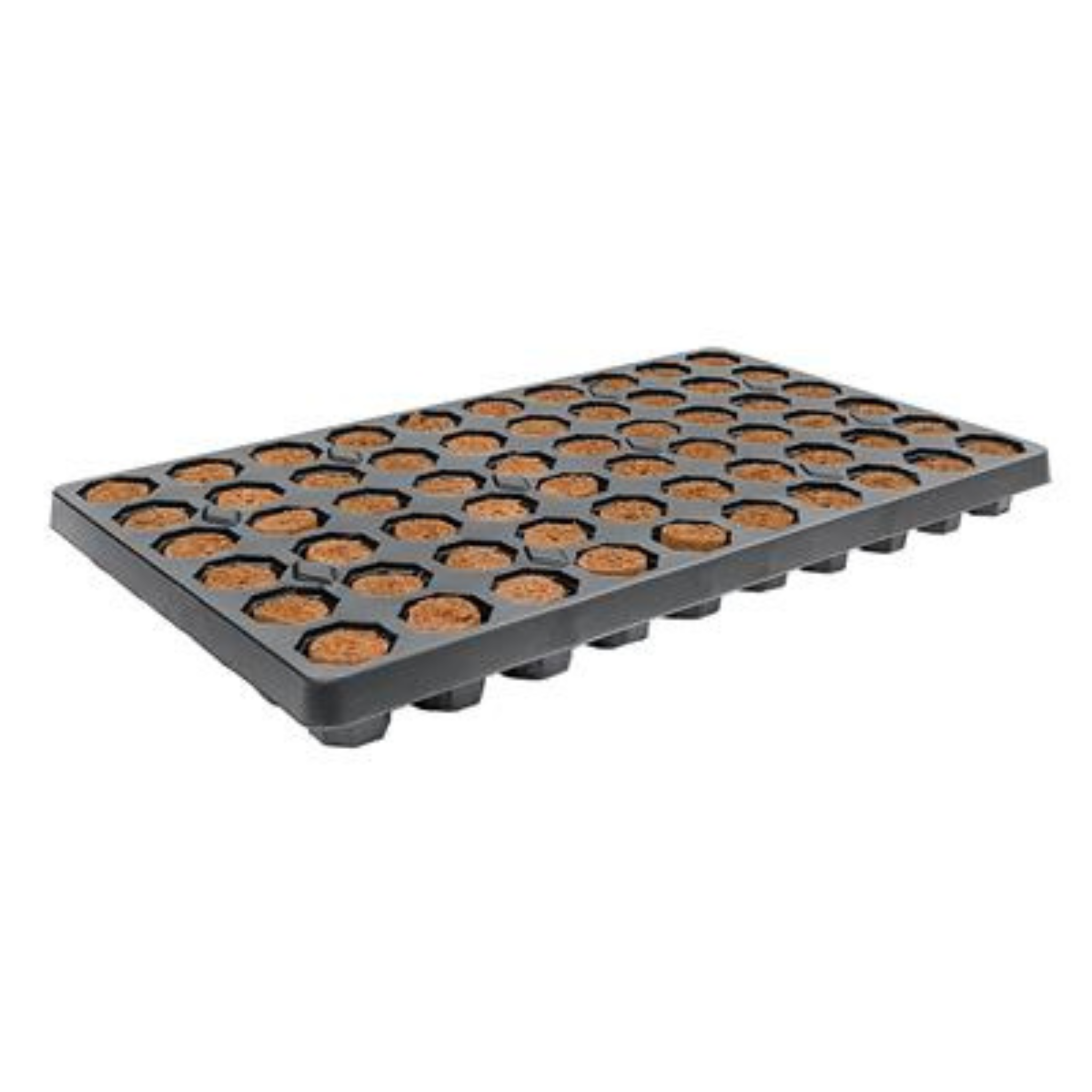
This collection is focused on products intended for fresh cuttings or early root establishment. General starter feeds belong in our Propagation Nutrients collection, while plugs, peat-free media and other substrates are grouped under Cutting & Seedling Mediums.
Types of rooting product
Rooting gels and compounds
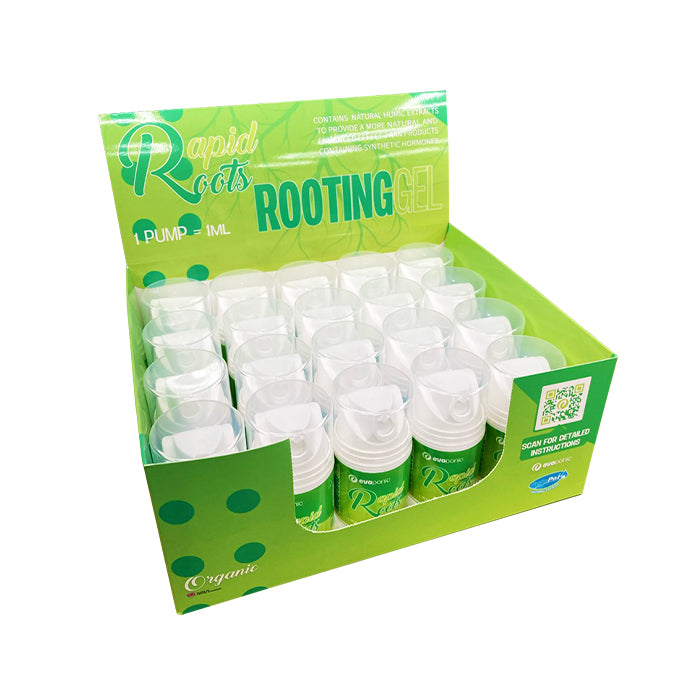
Rooting gels and other compounds are designed for use around the freshly prepared base of a cutting. A gel can coat the stem evenly and may help reduce direct handling before insertion into the media. Products differ in their formulation, permitted crops and directions, so use the amount and dipping method stated by the manufacturer rather than assuming every gel works identically.
Rooting powders
A powder is another format that may be applied to the prepared stem before planting. Application depth and the amount retained on the cutting matter: excess product should not be treated as an advantage. Check whether a powder is approved for the plant being propagated and follow its label precisely.
Cutting and cloning mists
A propagation mist is generally applied to stock plants, cuttings or foliage at the stage specified on its instructions. It is not automatically a substitute for a rooting gel or powder. Observe the stated dilution, spray interval and environmental precautions, and avoid leaving foliage persistently saturated beneath a closed humidity dome.
Root stimulants and boosters
Root stimulants are usually mixed into water or a nutrient solution during establishment or early growth. Concentrations and schedules vary considerably. Confirm that the product suits the media, irrigation method and base nutrient programme, then account for every additive in the final solution rather than stacking several root products without a clear reason.
Rooting compound or root stimulant?
- For a newly taken cutting: choose a gel, powder or other compound specifically labelled for application to fresh cuttings.
- For established plugs or young plants: consider a diluted root stimulant intended for early root-zone use.
- For foliar preparation or support: use a dedicated cutting mist only at the timing and rate stated on its label.
- For general nutrition: select a suitable propagation or starter nutrient instead of treating a rooting compound as a complete feed.
Some products may cover more than one stage, but this must be confirmed from the individual instructions. Rooting products do not all provide complete micro- and macronutrition, and compatibility should never be inferred from the words “root” or “stimulator” in the name.
Choosing a product for your propagation method
Check the intended plant and stage
Confirm that the product is intended for the species and propagation method you are using. Fresh unrooted cuttings, rooted plugs, seedlings and recently transplanted plants have different needs. Do not use a product on edible plants or other crops unless the label permits that use.
Match the product to the media
Rockwool cubes, bonded plugs, coco, soil and peat-free media hold different amounts of water and air. Choose a rooting product whose instructions support the selected substrate, and prepare that substrate before taking the cutting so the stem can be inserted without delay.
Confirm irrigation-system compatibility
Products applied directly to a stem do not have the same system requirements as additives placed in a reservoir. Before adding a stimulant to recirculating hydroponics, aeroponics, drip irrigation or hand-watered media, check the manufacturer’s compatibility guidance and any advice on reservoir maintenance.
Compare format and pack size
A small gel container can be practical for occasional batches, while larger or concentrated products may suit regular propagation. Select a realistic size that can be used within its stated shelf life after opening. Buying more than you can keep clean and fresh is rarely economical.
How to take cuttings cleanly
- Clean the work surface, propagator, tray and reusable equipment before starting.
- Prepare and label the plugs or media according to the manufacturer’s instructions.
- Select suitable healthy plant material and avoid damaged or stressed growth.
- Use a clean, sharp scalpel or pruning tool to make the required cut.
- Apply the chosen rooting gel, powder or compound exactly as its label directs.
- Insert the cutting promptly without scraping off the product or crushing the stem.
- Place the cutting into the prepared propagation environment and monitor warmth, moisture, humidity and light.
- Record the variety, product, concentration and start date for future reference.
Browse our Propagation Accessories for clean cutting tools, labels and supporting equipment. Always clean tools between batches and, where plant-health risks are present, between individual plants.
Preventing contamination
If the instructions allow decanting, pour only the quantity required into a separate clean container. Do not dip stems directly into the retail bottle when that could introduce plant material or contamination, and never pour unused decanted product back into the original pack.
Close containers immediately after use and keep caps, pipettes and measuring tools clean. Do not share a used applicator between products. Dispose of surplus solution in line with the label and local requirements rather than emptying concentrated products into drains or growing areas.
Preparing plugs and propagation media
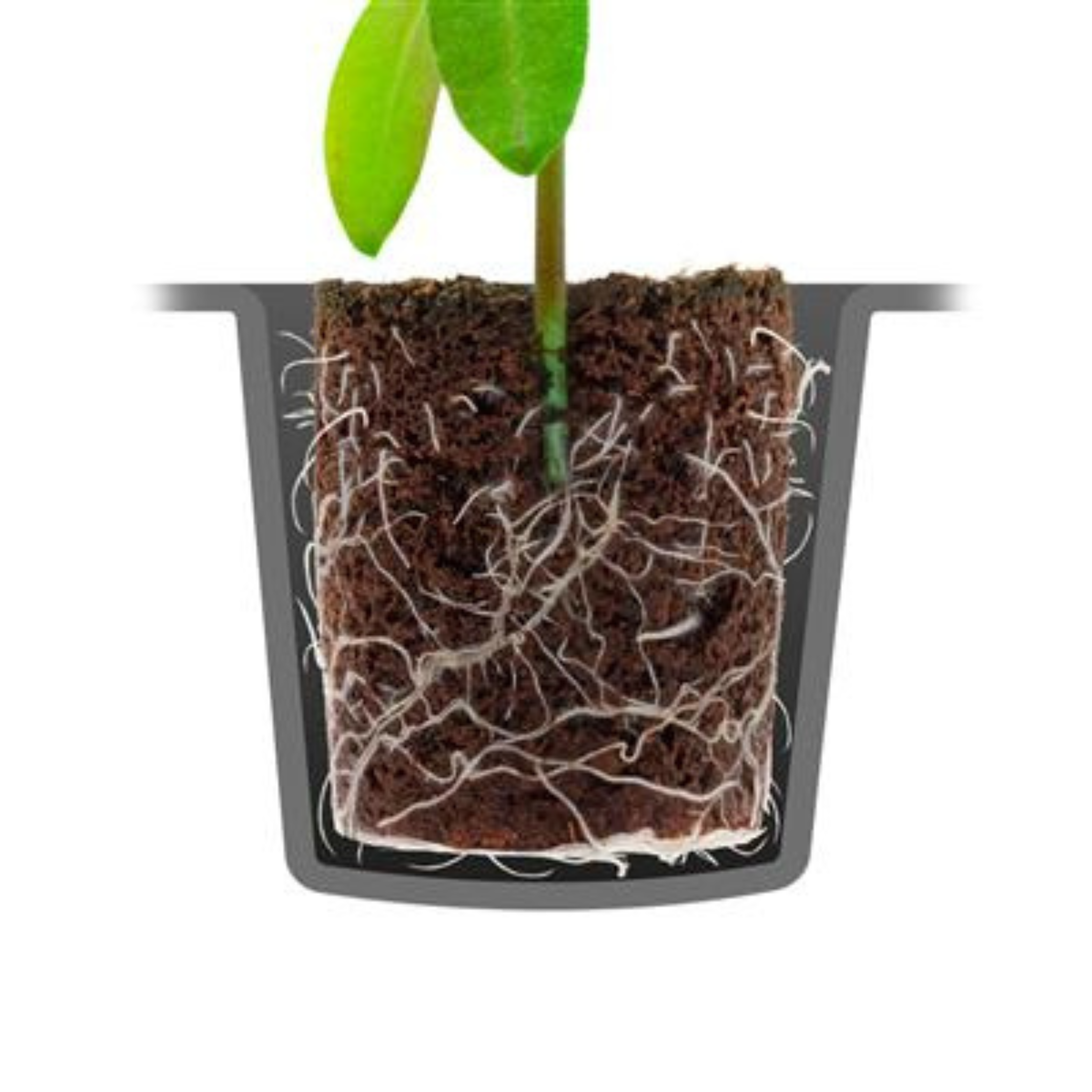
Prepare plugs before taking cuttings. Depending on the material, this may involve soaking, conditioning, draining or simply moistening it evenly. The media should normally be moist enough to support the stem without being waterlogged. Excess water can reduce air around the developing root zone.
Make the planting hole with a clean tool when necessary so the stem enters without force. If the hole is too narrow, the media can wipe compound from the cutting; if it is too loose, contact around the stem may be poor. Follow the plug supplier’s preparation guidance rather than applying one method to every substrate.
Managing the propagation environment
Humidity and ventilation
Fresh cuttings have limited ability to replace moisture, so a humidity dome can reduce rapid water loss. However, a permanently sealed, saturated environment is not the goal. Introduce ventilation progressively, watch plant response and avoid heavy condensation dripping continuously onto foliage or media.
Temperature
Root-zone and air temperature can differ. Use suitable equipment from our Temperature & Humidity collection to monitor conditions, and follow crop-specific guidance. More heat does not guarantee faster rooting and can dry small plugs quickly.
Propagation lighting
Provide even, appropriate light without placing delicate cuttings too close to a powerful fixture. Our Propagation Lights include compact options for trays, shelves and propagation tents. Follow the light manufacturer’s height and coverage recommendations and observe the plants after every adjustment.
Propagators and heat mats
Use a clean tray and suitable dome to manage the immediate environment. Where room conditions are cool, compare Propagators, Trays & Heat Mats, including thermostatically controlled options. Keep electrical connections away from irrigation water and condensation.
Using root stimulants in feed water
Measure concentrated stimulants accurately with a clean syringe, pipette or graduated jug. Add products in the order recommended by the nutrient manufacturer, mix thoroughly and check the final solution where appropriate. Never estimate a small dose by eye.
Do not combine several root stimulants simply because each is sold for early growth. Overlapping additives can make the programme unnecessarily complex and may alter the final solution. Begin with the product’s stated minimum programme and change one factor at a time.
Storage and handling
- Keep every product in its original labelled container with the cap closed.
- Store within the temperature and light conditions stated by the manufacturer.
- Keep rooting products away from children, pets, food and drink.
- Use gloves, eye protection or other personal protective equipment where the label or safety data requires it.
- Do not use a product that is out of date, contaminated or visibly changed unless the manufacturer confirms it remains suitable.
- Wash hands and clean measuring equipment after use.
Why buy rooting products from Holland Horticulture?
Established in 1996, Holland Horticulture supplies rooting gels, cutting mists, root stimulants, propagation media and environmental equipment for home and professional indoor growing. Our current range includes recognised products from ROOT!T, Clonex, Shogun, House & Garden, VitaLink and other specialist manufacturers, with experienced advice, UK delivery and Click & Collect.
Return to our Propagation hub to compare equipment for propagators, lighting, media, nutrients, tents and early plant care.
Rooting compounds and stimulants FAQs
Is rooting gel better than rooting powder?
Neither format is universally better. The correct choice depends on the plant, propagation method, preferred application and the product's approved instructions. A gel coats the stem, while a powder is applied dry; follow the exact directions for the chosen product.
Do cuttings need a rooting hormone?
Not every plant or method requires one, and not every rooting product contains the same active ingredients. Check suitable guidance for the species and use only a product labelled for the intended application.
Can I use rooting gel with rockwool, coco or soil?
Many products can be paired with more than one propagation medium, but compatibility should be confirmed on the product label. Prepare the media correctly and ensure the planting hole does not remove the compound from the stem.
Should I dip cuttings directly into the rooting-gel bottle?
Decant a small amount into a clean separate container when the instructions permit it. This reduces the risk of introducing plant material into the main bottle. Never return unused decanted gel to the original container.
Is a root stimulator the same as rooting gel?
Usually not. A gel is typically applied to the prepared base of a fresh cutting, while a root stimulator is normally diluted into water or feed during establishment. Check the individual product because application methods vary.
How long do cuttings take to develop roots?
Timing varies with species, plant health, temperature, humidity, light, media and technique. Inspect carefully at suitable intervals rather than disturbing cuttings repeatedly or relying on one fixed number of days.
Can rooting products be used on seedlings?
Only when the specific label includes that stage and crop. A propagation or starter nutrient may be more appropriate for seedlings than a compound intended for freshly cut stems.