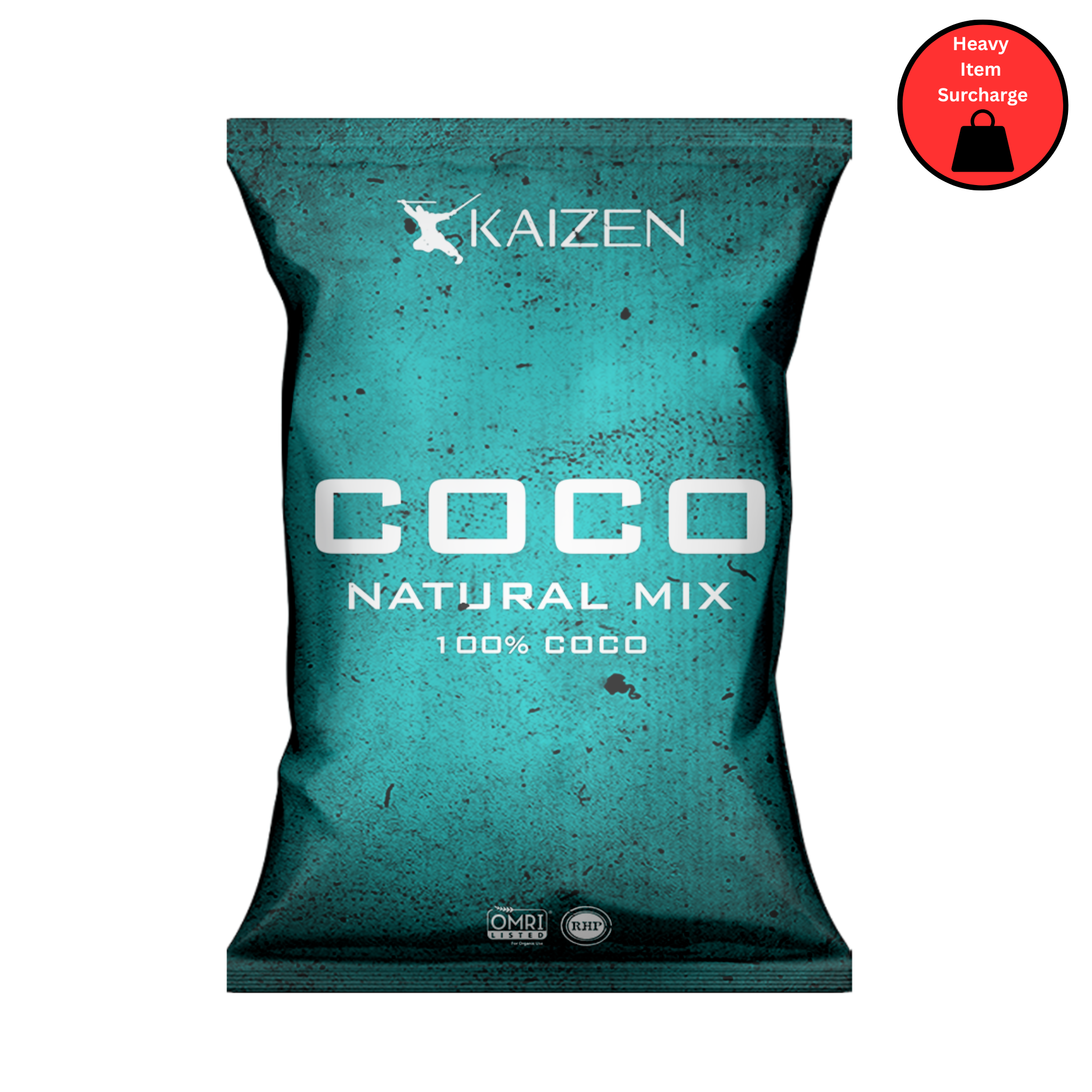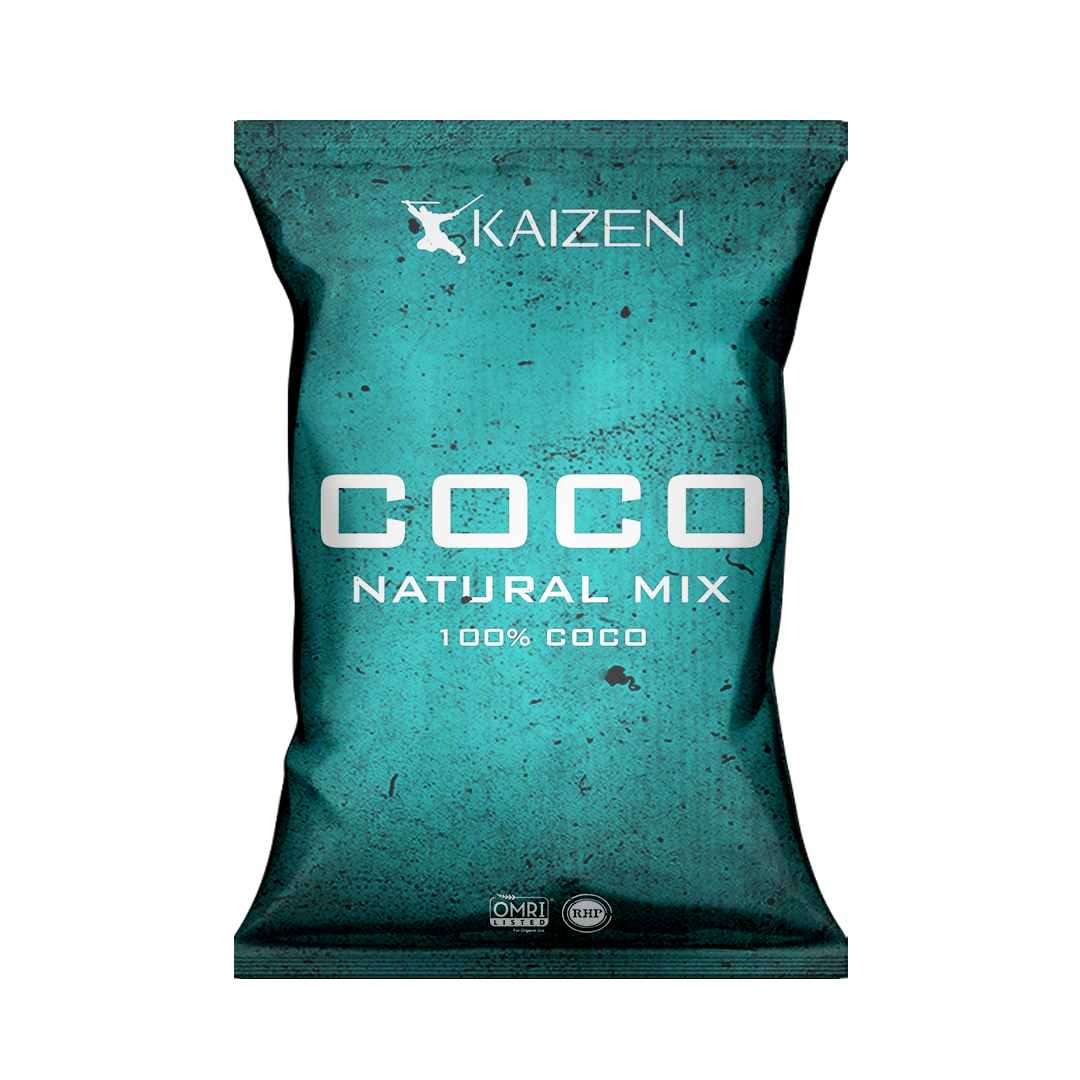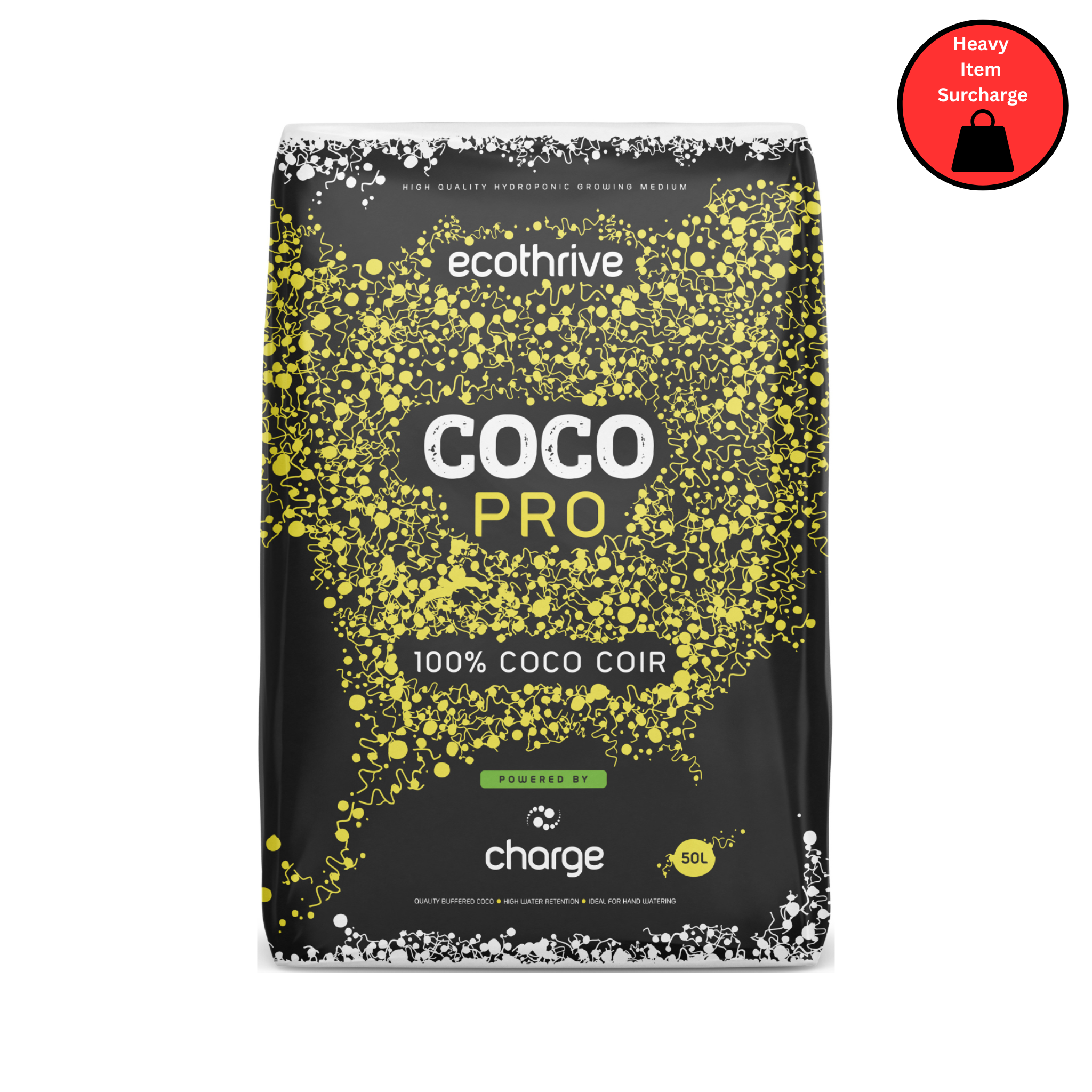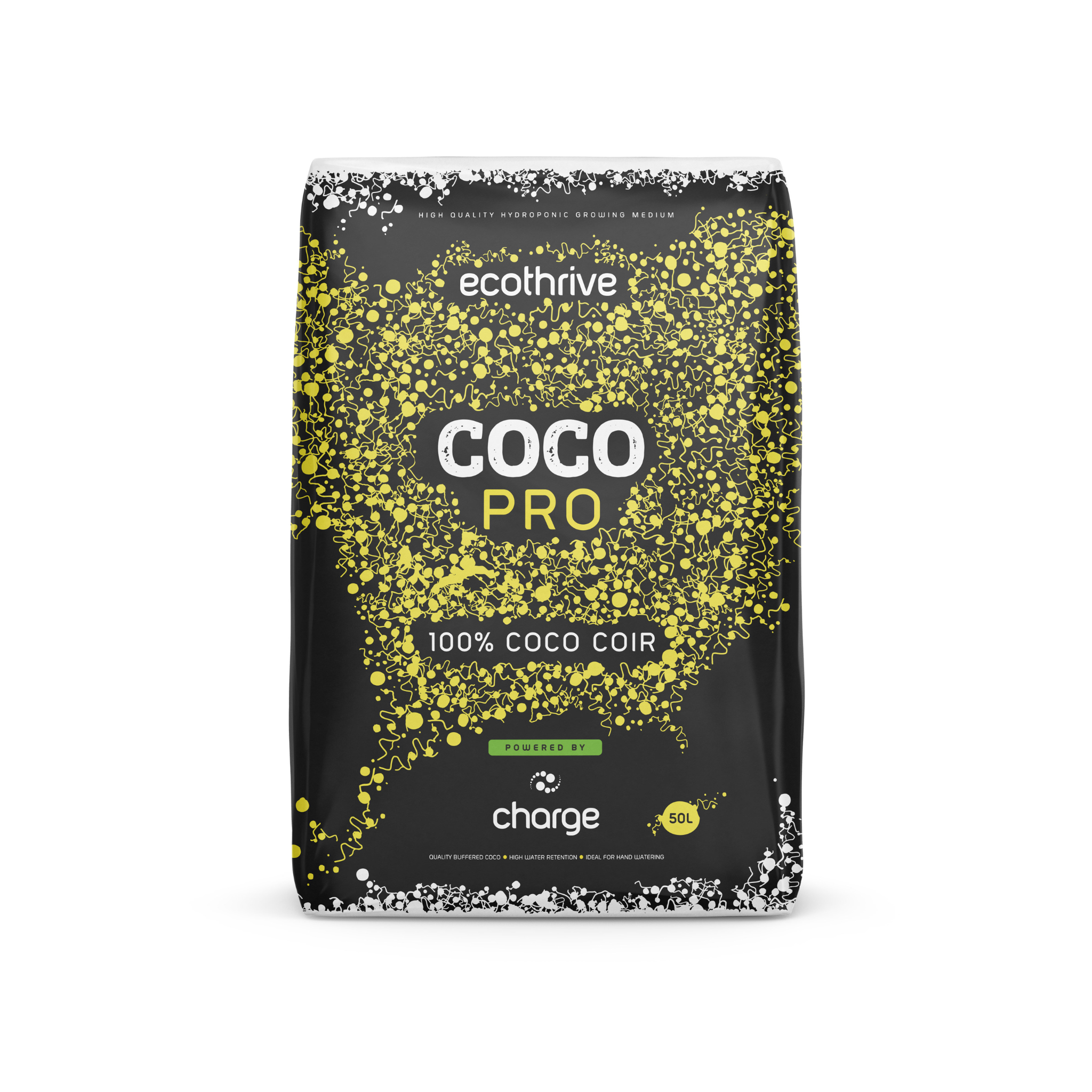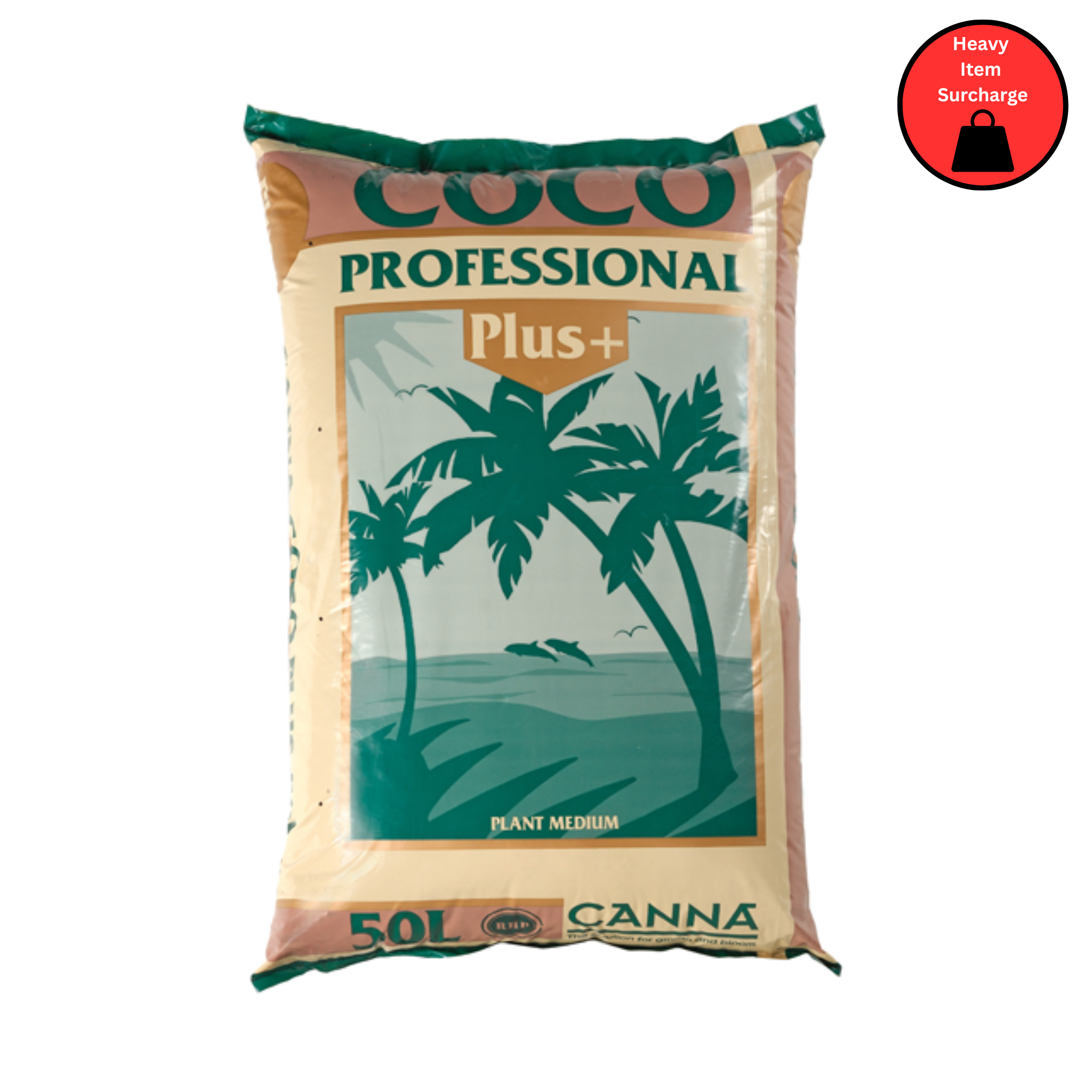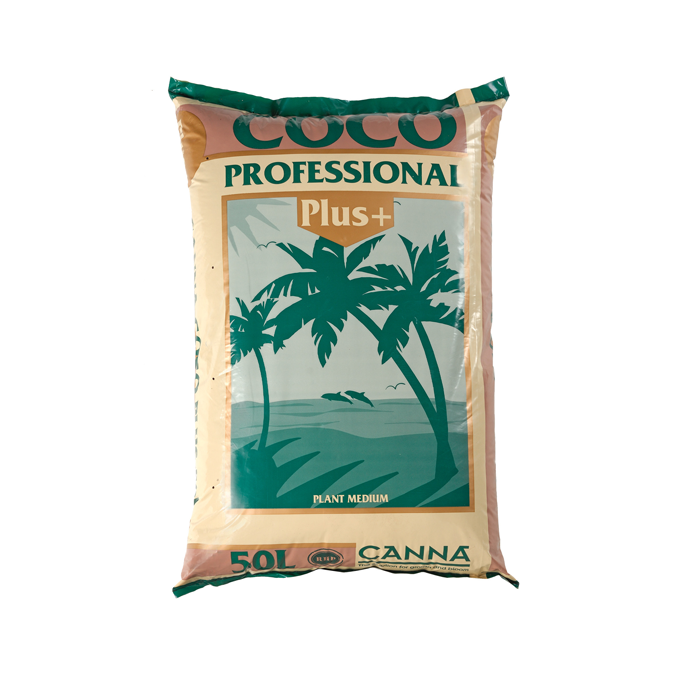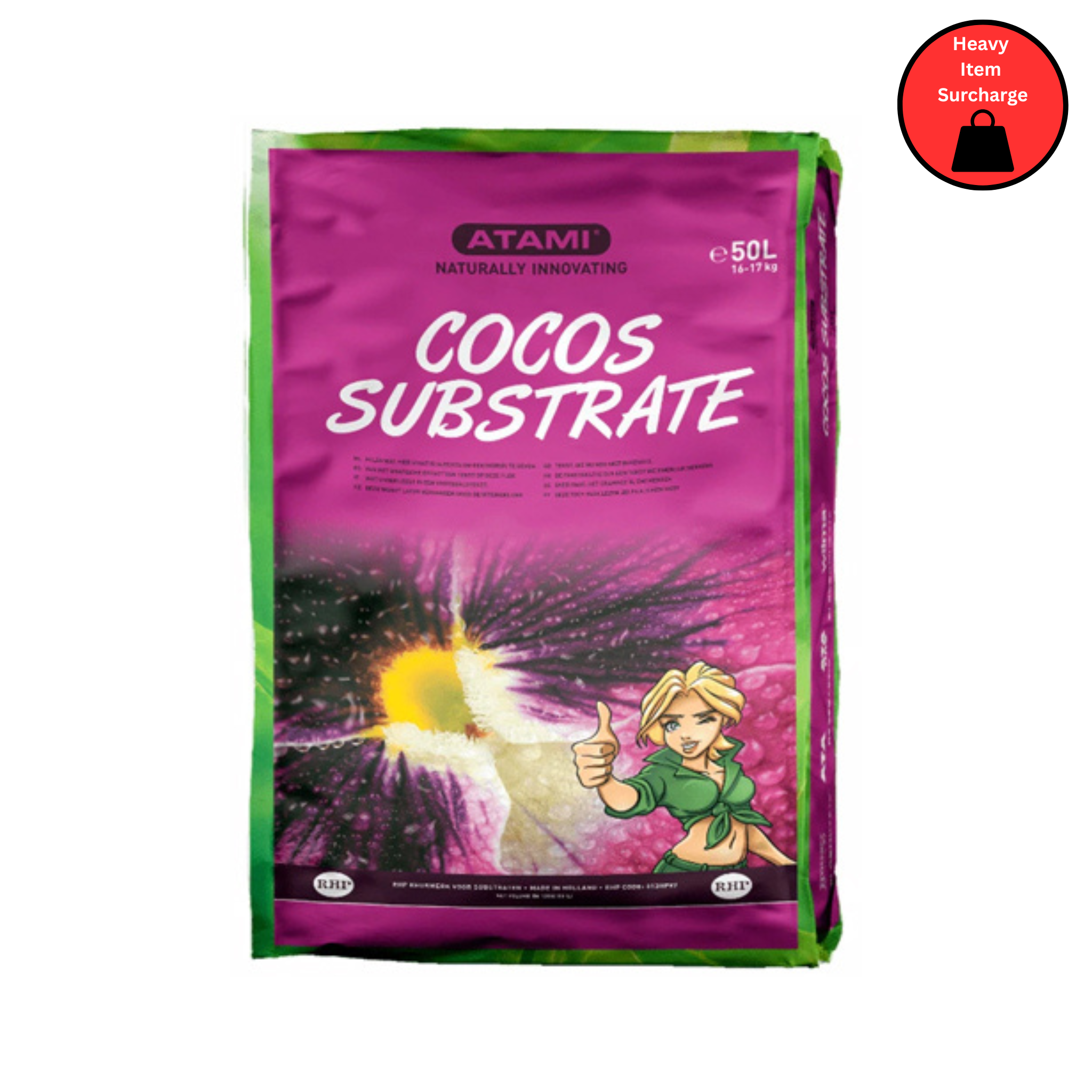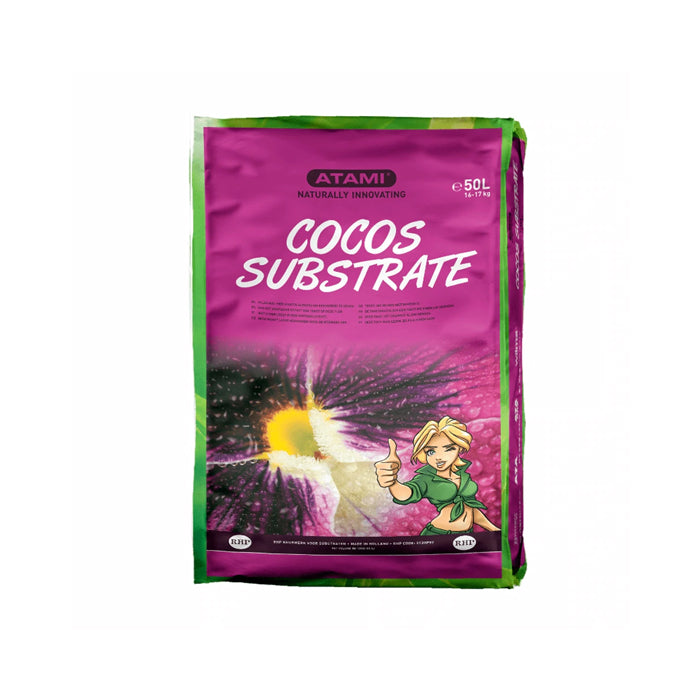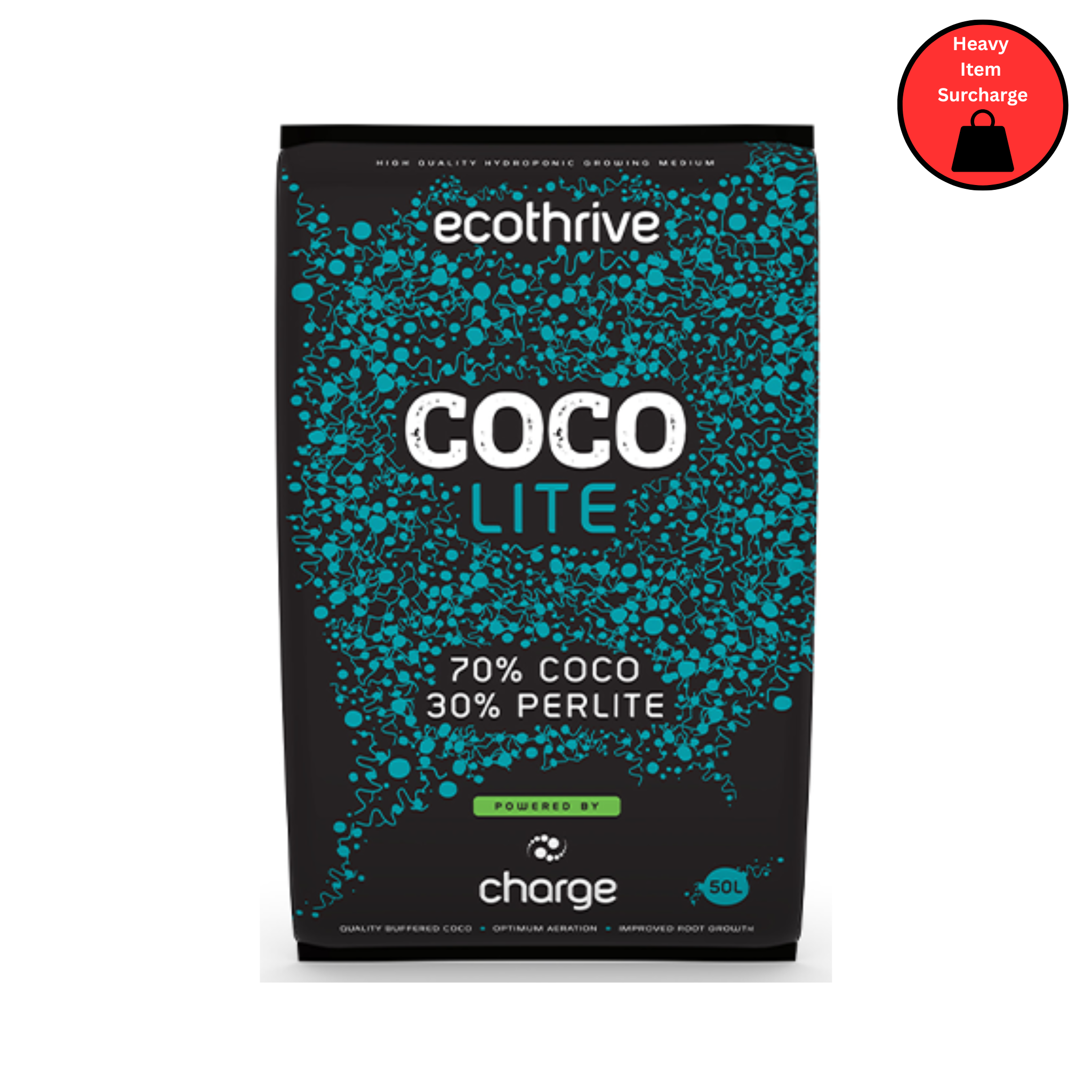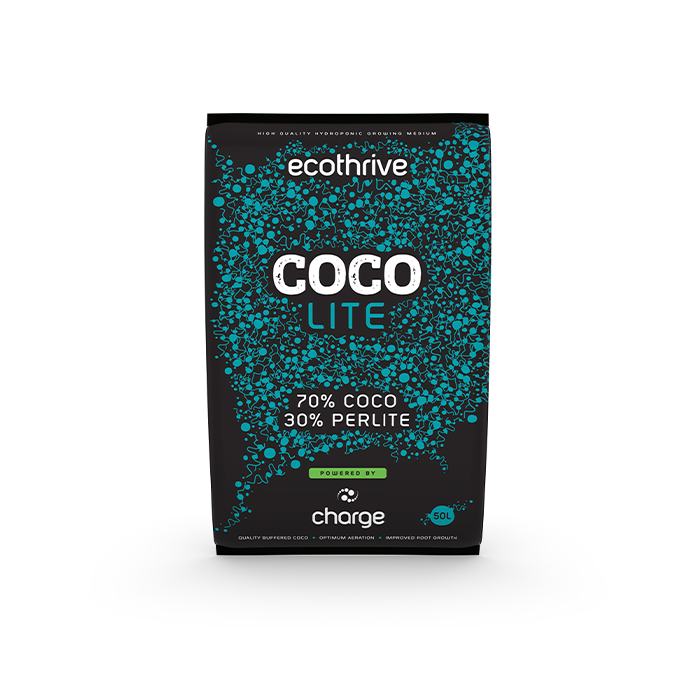
Shop coco coir growing media for hydroponics, including loose-fill coco substrates, washed and buffered formulations and convenient compressed coco bricks. Coco combines useful water retention with an open structure that supports oxygen around healthy roots when it is irrigated and drained correctly.
Choose pure coco products from recognised hydroponic brands in sizes suited to individual pots or complete grow-room setups. Compare preparation, buffering, particle structure and pack volume to find the right coco medium for your irrigation method and feeding programme.
Coco coir growing media for hydroponics
Coco coir is produced from material surrounding the coconut shell. After processing, washing and grading, its fibres and smaller particles form a lightweight soilless substrate capable of holding moisture while maintaining useful air capacity. This balance makes coco popular in hand-watered pots, drip irrigation and compatible run-to-waste or recirculating hydroponic systems.
Coco is not ordinary compost and should not automatically be treated like soil. Many hydroponic coco products contain little immediately available nutrition, so the grower supplies a complete feed through the irrigation water. Successful use depends on a suitable coco nutrient, correct pH and concentration, reliable drainage and irrigation matched to the plant and environment.
Why growers choose coco coir
- Balanced moisture and air: quality coco can retain water while preserving pore space around the roots.
- Consistent root-zone structure: graded coco provides a predictable alternative to variable garden soils.
- Responsive feeding: growers can control the nutrient solution supplied to a low-nutrient substrate.
- Practical handling: loose coco is lightweight and easy to fill into pots and fabric containers.
- Flexible irrigation: coco can suit hand watering or automated drip systems when drainage is adequate.
- Multiple formats: choose ready-to-use bags or compact bricks that expand after hydration.
Although coco is forgiving in many setups, it can still be overwatered if pots drain poorly, the medium becomes compacted or irrigation is excessive for the root mass. Pot size, temperature, humidity, plant uptake and the proportion of fine particles all influence how quickly it dries.
Washed, buffered and treated coco explained
Washed coco coir
Raw coconut material can contain naturally occurring salts left by its growing and processing environment. Washing reduces soluble residues and helps create a cleaner horticultural substrate. Product specifications differ, so do not assume every bag or brick has received the same treatment.
Buffered coco coir
Coco has exchange sites that can hold certain mineral ions. Buffering is a controlled treatment used by manufacturers to stabilise these sites, commonly with calcium and magnesium, before the substrate is sold. A properly buffered product can offer a more predictable starting point, but growers must still follow an appropriate feeding programme.
Pre-fertilised or amended coco
Some coco-based substrates contain fertiliser, beneficial biology, perlite or other amendments. Those products may require different feeding and belong more naturally in blended or organic-media categories. Read the ingredients carefully if you want pure coco with no added nutrition.
Loose coco bags versus compressed coco bricks
Loose-fill coco substrate
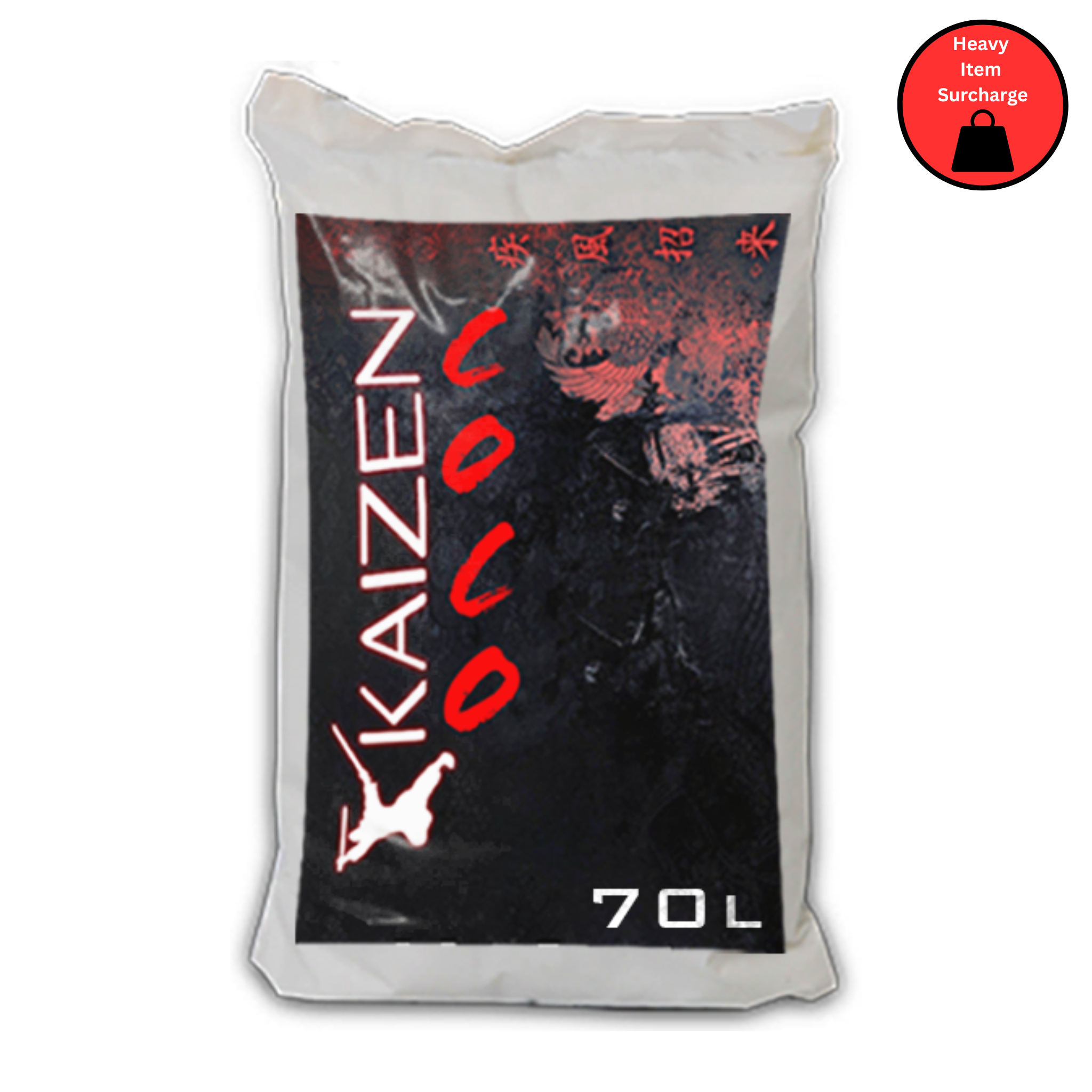
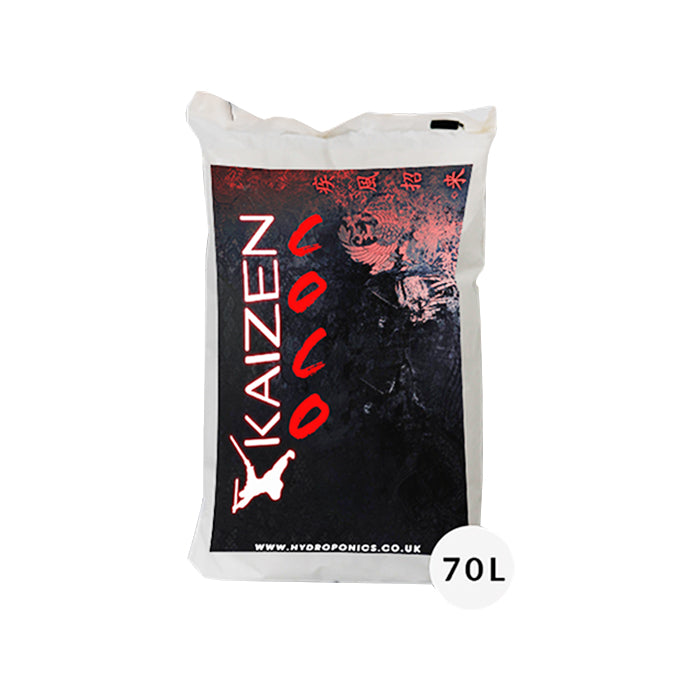
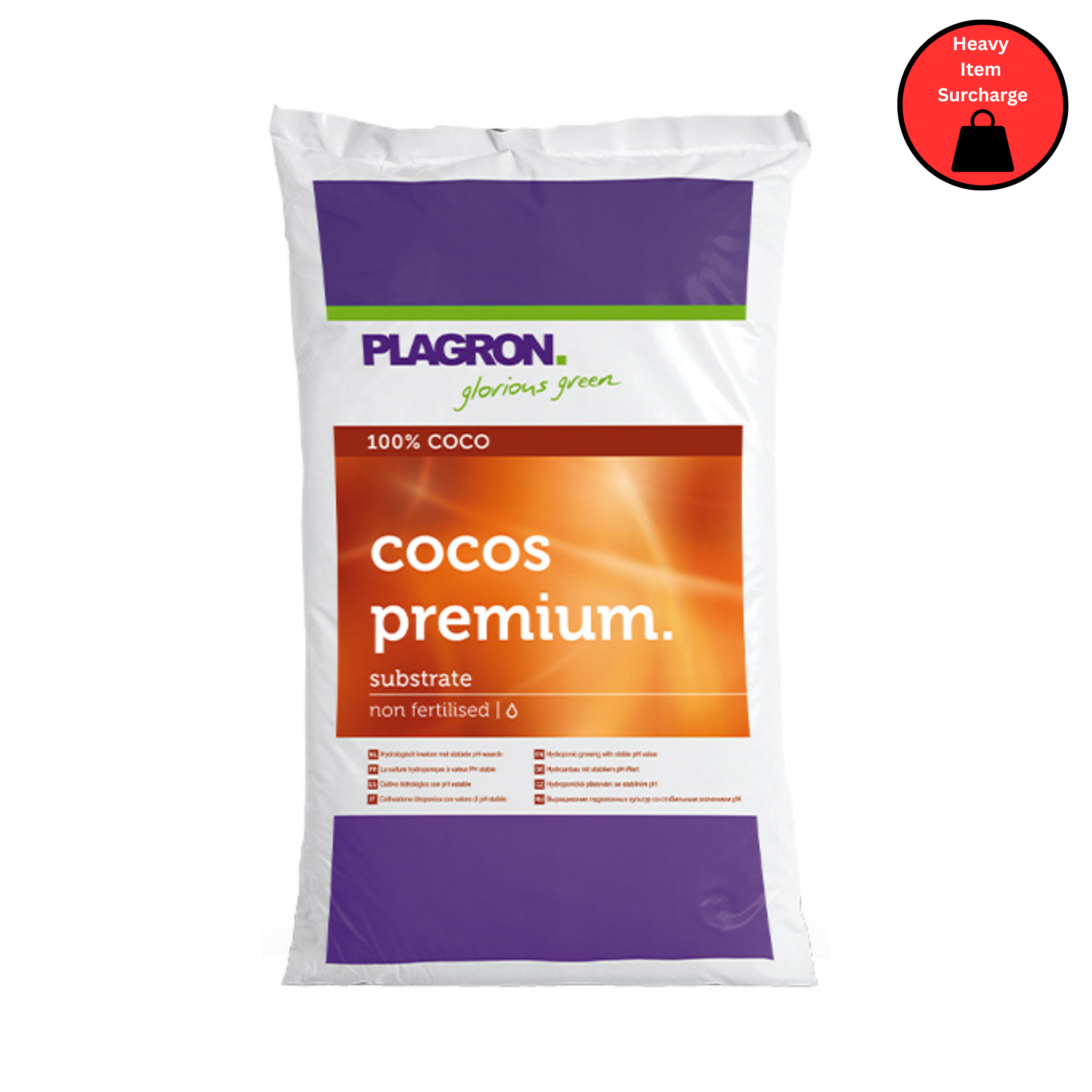
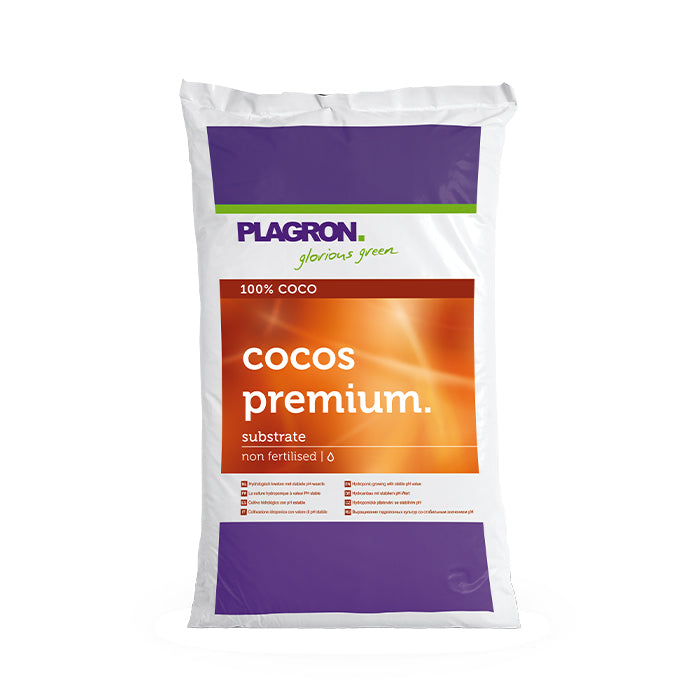
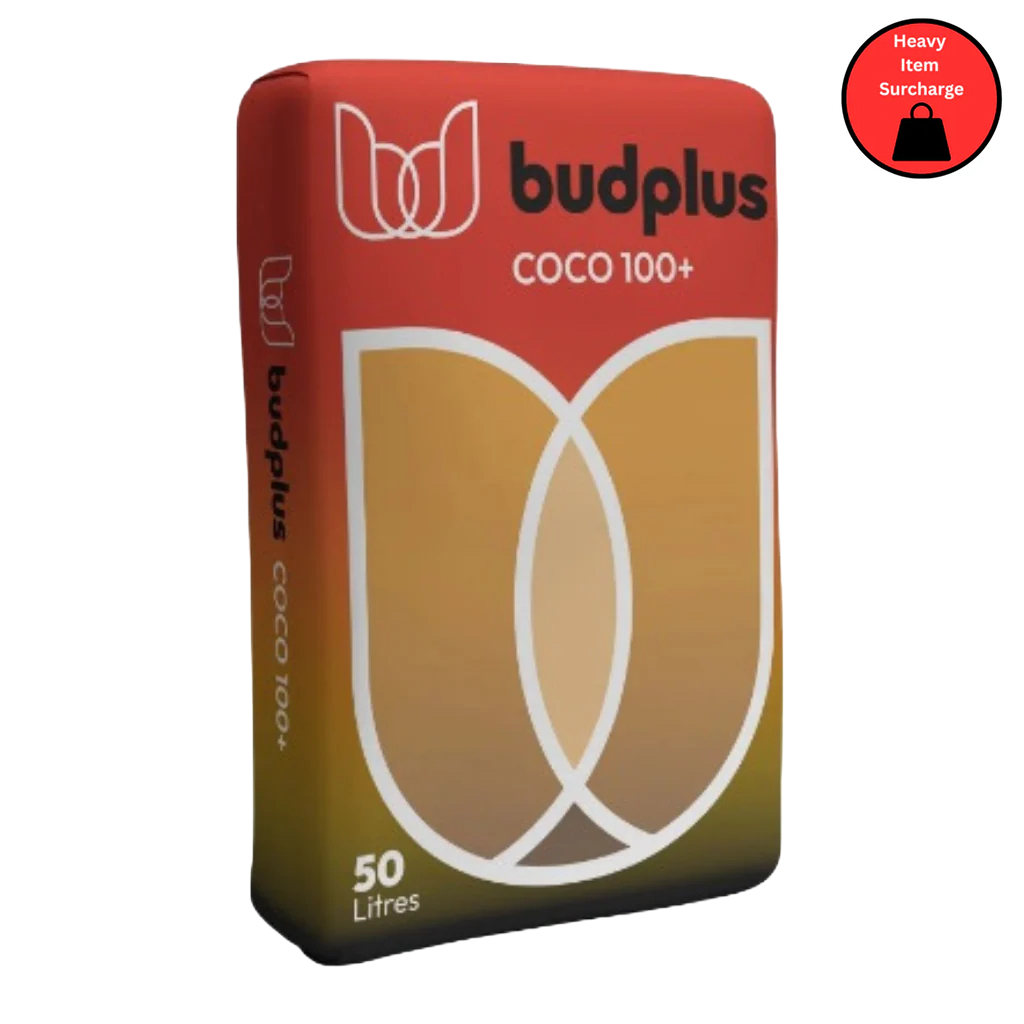
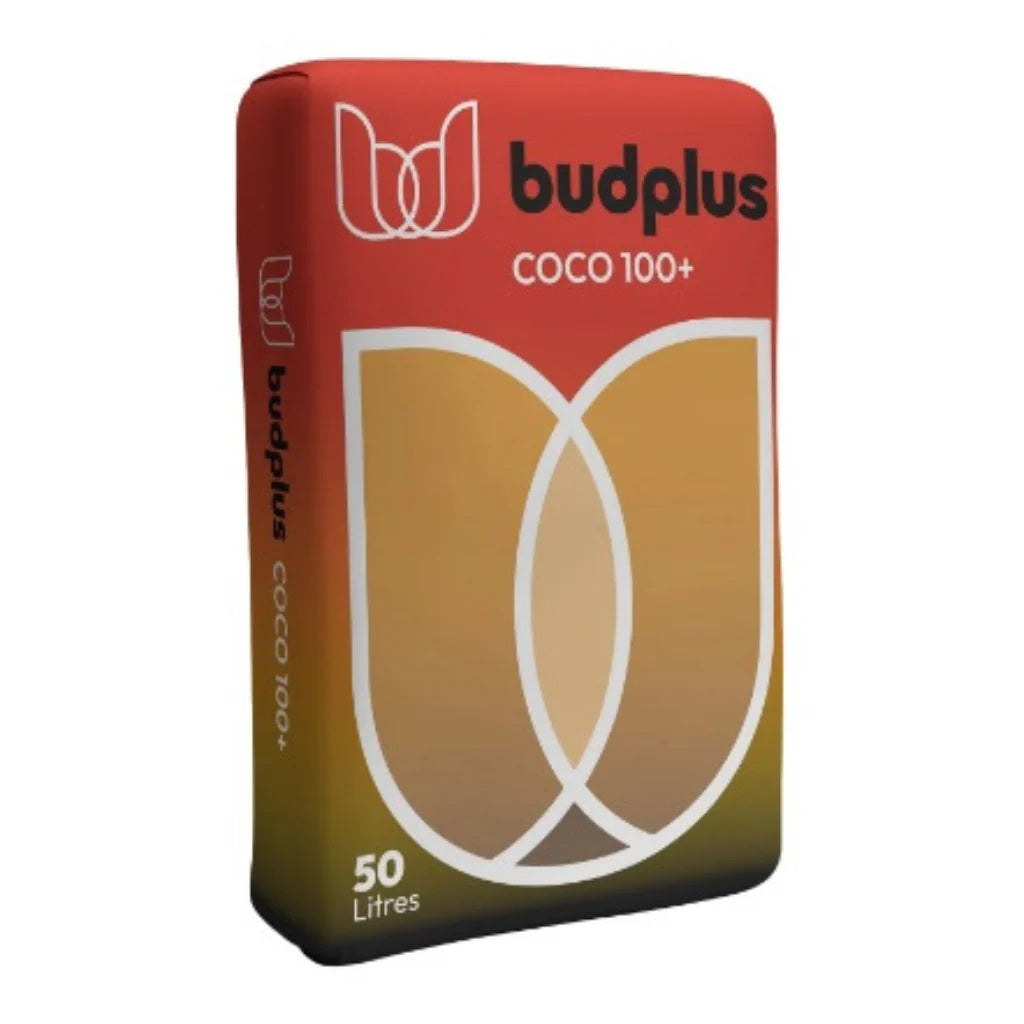
Bagged coco is convenient when you want a substrate that can be loosened and placed directly into pots, subject to the manufacturer's preparation instructions. The stated litre capacity makes planning easier, and the particle blend is normally consistent throughout the bag.
Compressed coco bricks and blocks
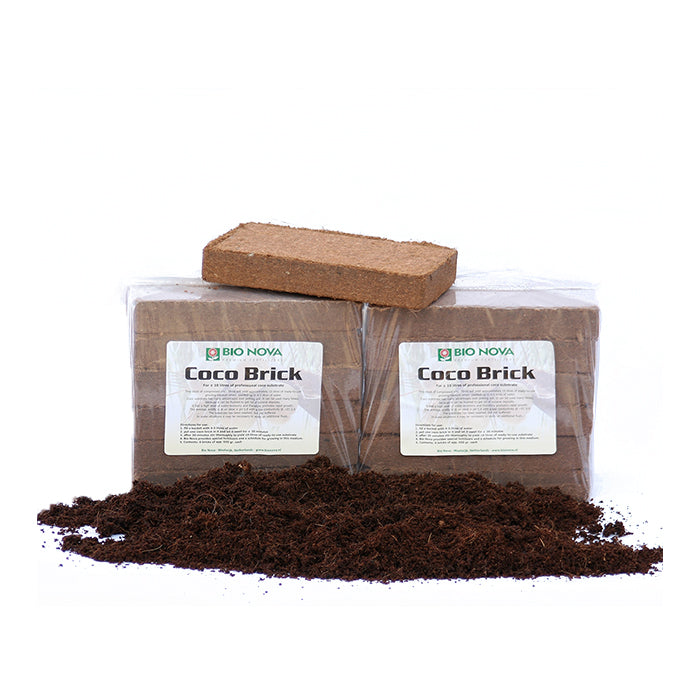
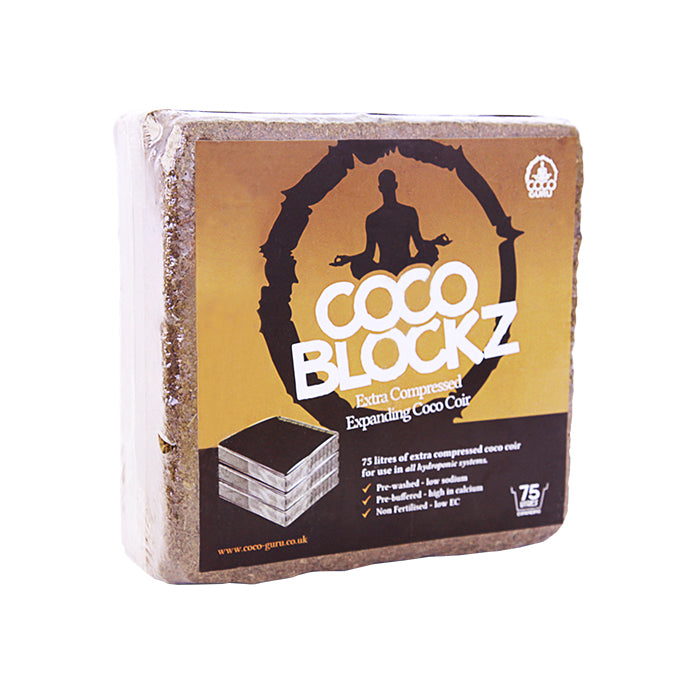
Compressed coco is compact for storage and transport, then expands when hydrated. Add water gradually in a clean container, allow the material to expand fully and break it apart gently. Confirm whether the block is washed, buffered or requires further preparation before planting.
The expanded volume can vary with compression, moisture and preparation, so use the manufacturer's stated yield rather than estimating from the dry brick size. Do not plant into a partly expanded centre or use water containing unmeasured nutrients unless the instructions specify it.
Choosing coco for your growing system
Hand-watered pots
Pure coco works well in pots with generous drainage holes and suitable runoff collection. Water evenly across the surface so the root zone receives a consistent solution, then allow surplus feed to leave the container. Empty standing runoff where the system is not designed to recirculate it.
Drip irrigation systems
Automated drip irrigation systems can deliver small, repeatable feeds to coco pots. Dripper placement, flow rate and scheduling should provide even coverage without leaving dry pockets or permanently saturated areas. Test every outlet before relying on automation.
Self-watering and compatible hydroponic systems
Coco can be used in some bottom-fed and self-watering systems when the equipment manufacturer approves it. Particle grade and root-zone moisture behave differently from clay pebbles or soil mixes, so use the recommended pot, drainage layer and irrigation setup for the particular system.
Pure coco compared with coco blends
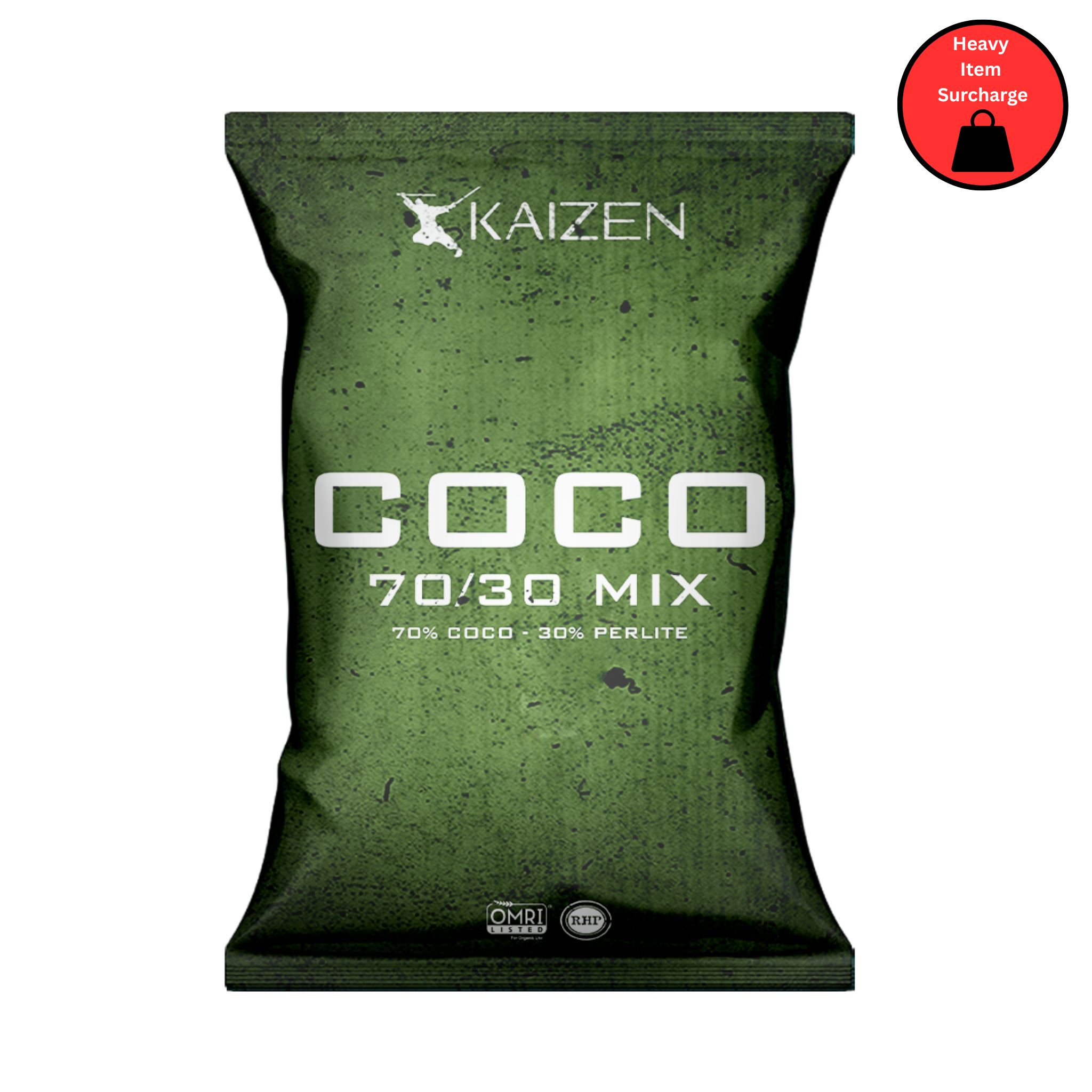
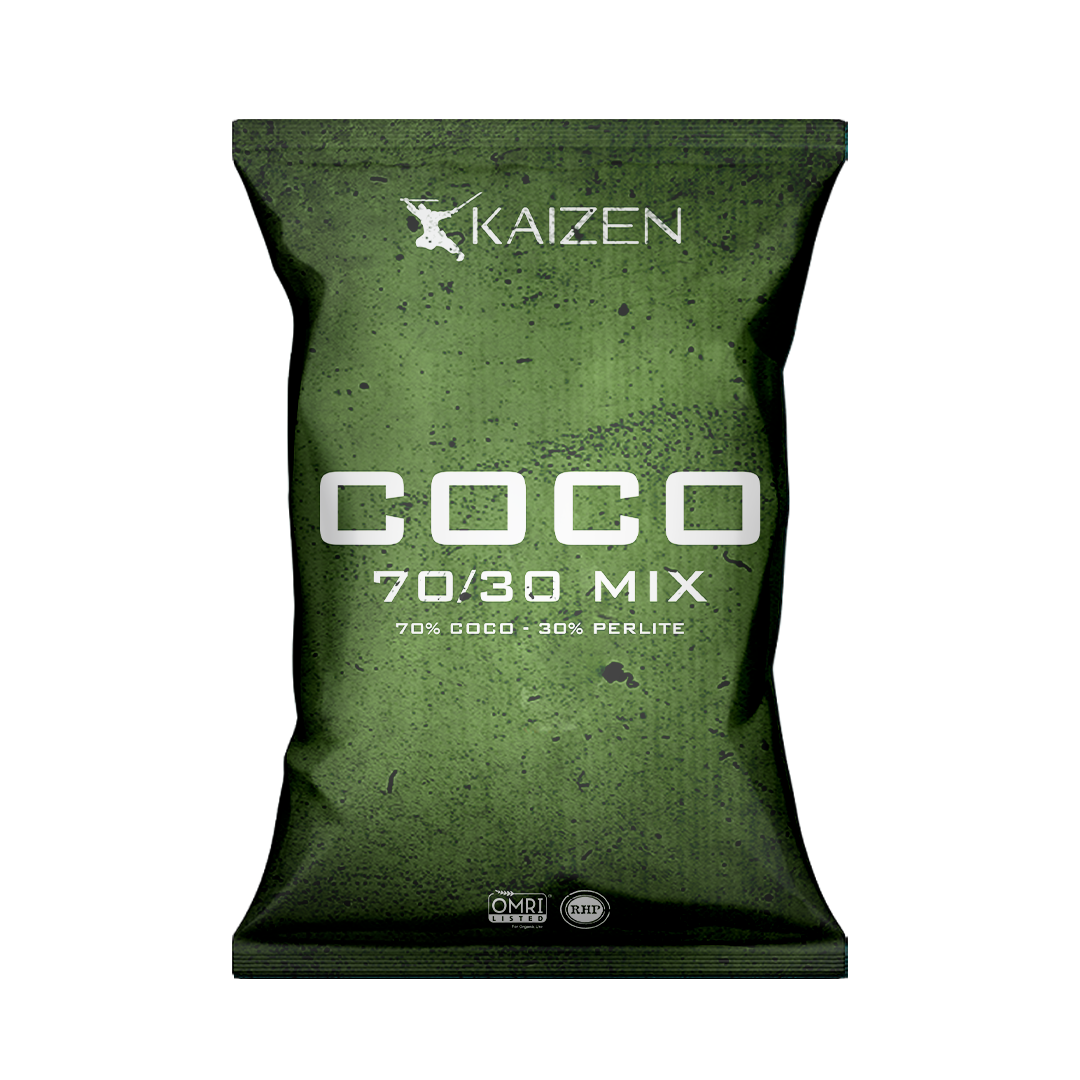
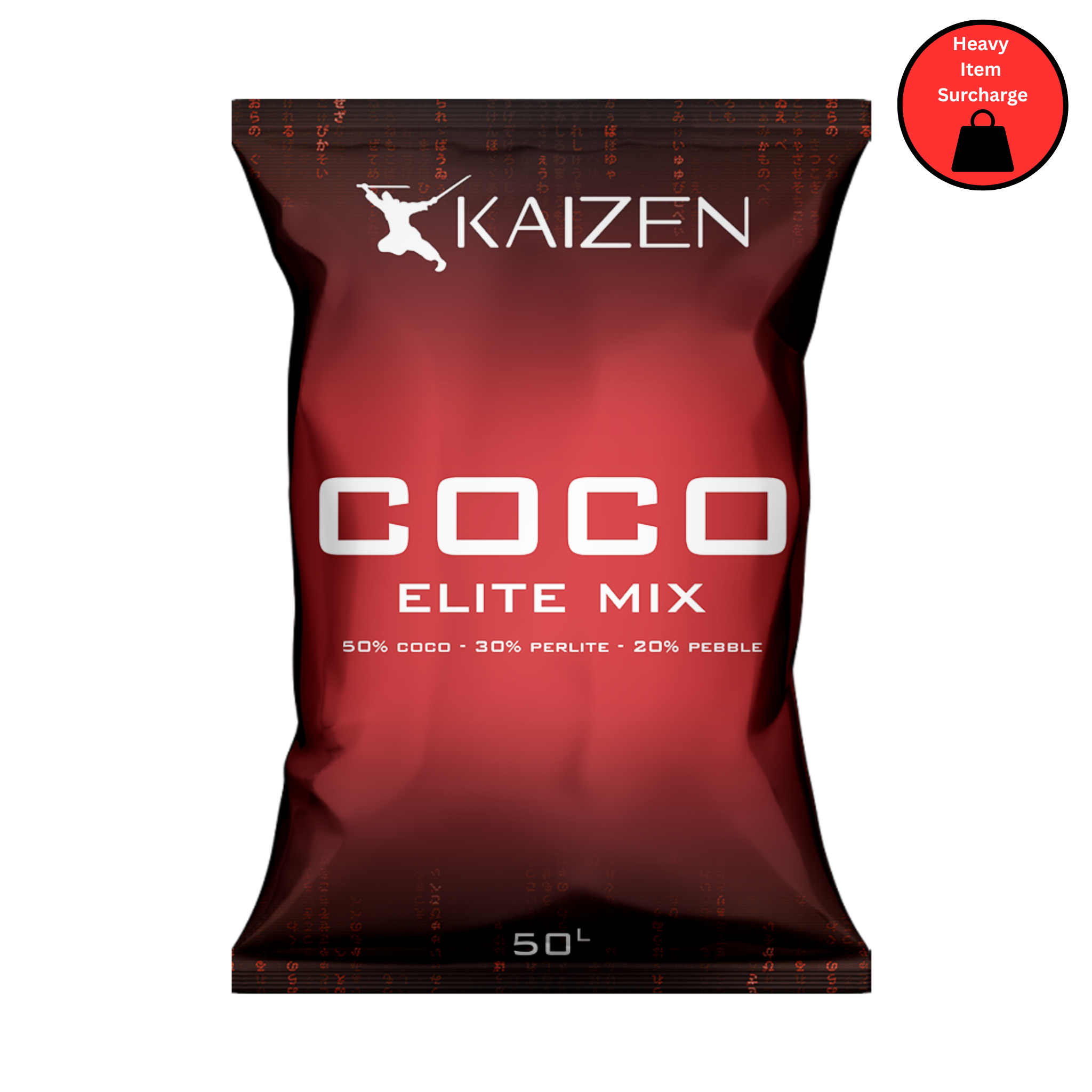
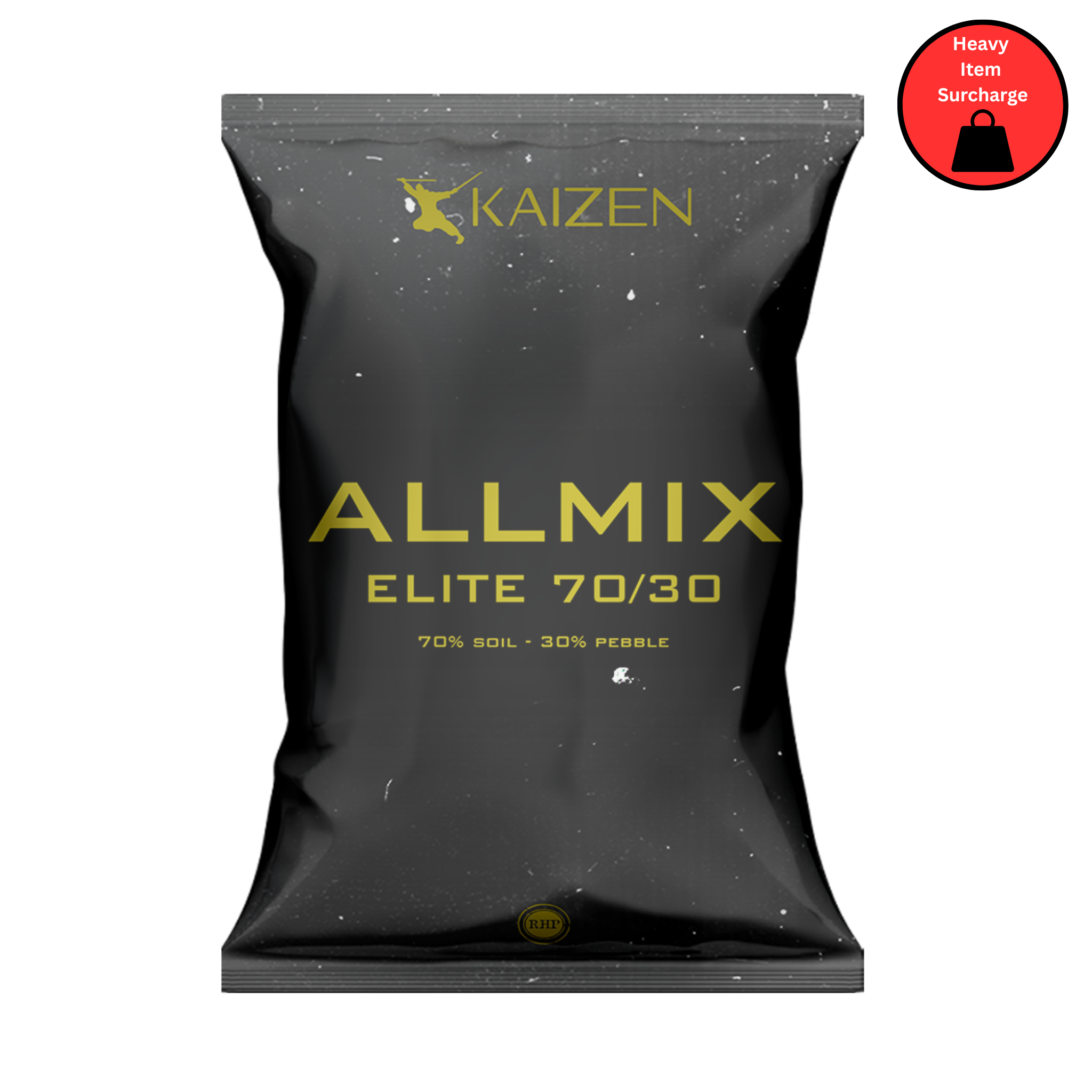
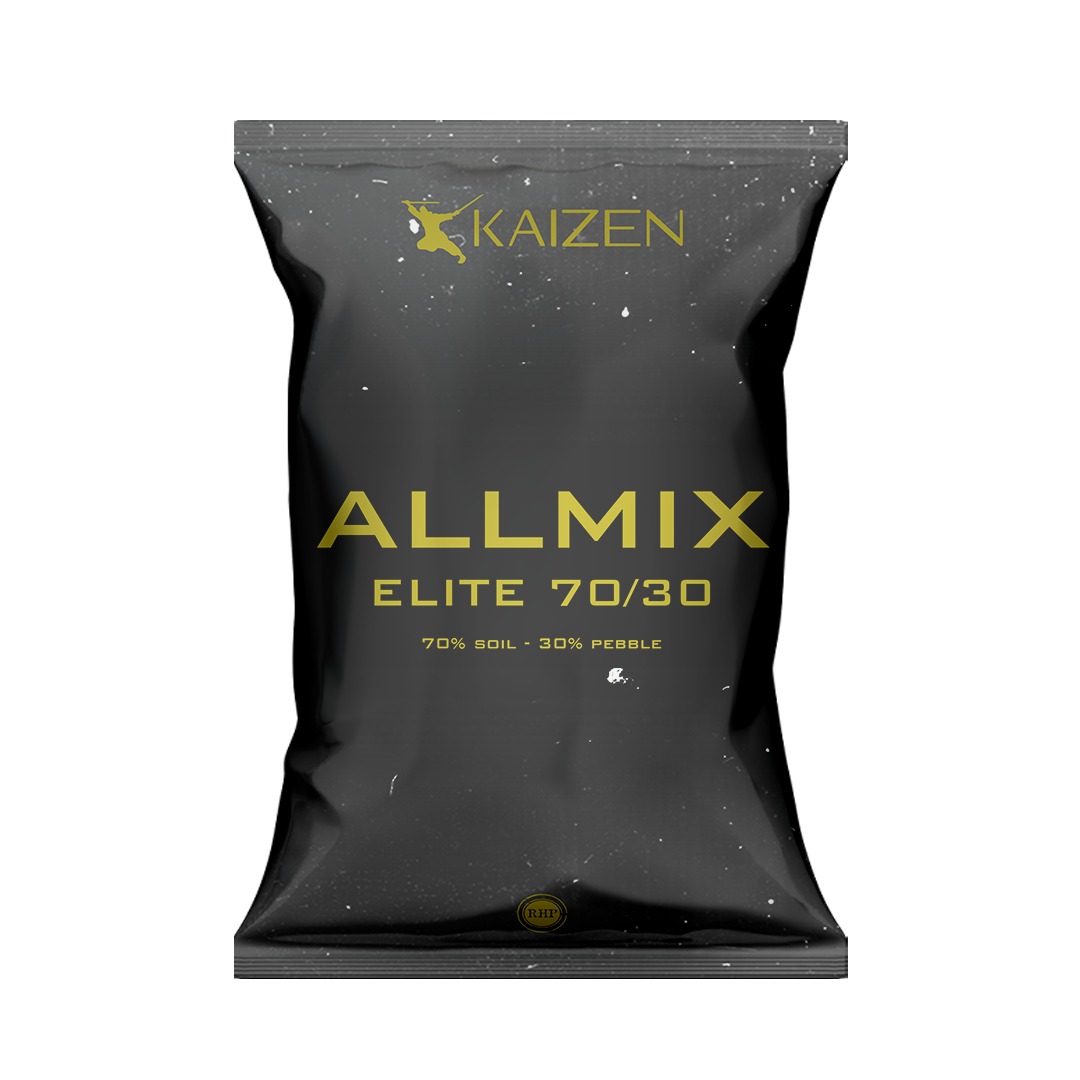
Pure coco gives growers a consistent coir-based substrate and allows them to choose whether to add another component. Ready-made coco blends and mixes combine coco with perlite, clay pebbles or both to create a more open and faster-draining structure.
Neither format is universally better. Pure coco generally holds more moisture than a blend containing a substantial proportion of coarse aggregate, while a mixed substrate can increase drainage and reduce weight or compaction. Select by system compatibility and irrigation routine rather than ratio alone.
How to prepare coco coir
- Read the product label to confirm whether the coco is loose, compressed, washed, buffered or amended.
- Hydrate compressed blocks fully using clean water and the recommended container size.
- Loosen the substrate gently without crushing fibres or compacting fine particles.
- Rinse, buffer or pre-charge only when directed by the product or nutrient manufacturer.
- Fill clean pots evenly and leave sufficient space for watering.
- Test drainage and irrigation coverage before placing the complete system into service.
Wear suitable protection when handling dry material and avoid inhaling dust. Store unused coco sealed in a clean, dry place away from pests, standing water and chemical contamination.
Feeding plants grown in coco
Use a complete base feed intended for coco unless the substrate or crop programme specifies otherwise. Our coco nutrients are formulated around the characteristics of coir and are available from recognised manufacturers. Follow the selected nutrient schedule rather than combining incompatible programmes.
Add each concentrate to water separately, mix thoroughly and measure accurately. Where required, check the finished solution using suitable pH and EC meters. Never pour concentrated nutrients or pH adjusters directly into the root zone.
Calcium and magnesium in coco
Coco feeding programmes often account for calcium and magnesium, but that does not mean every crop or water source needs an additional supplement. Check whether the base nutrient already contains sufficient levels, consider the starting water and follow manufacturer guidance before adding a separate product.
Irrigation, runoff and root-zone monitoring
Irrigation frequency should respond to plant size, pot volume, root development, temperature, humidity and substrate moisture. A newly rooted plant in a large pot normally uses water differently from an established plant with a dense root system. Avoid fixed schedules that ignore changing conditions.
Runoff can help confirm that pots are draining and may provide useful diagnostic information, but readings should be interpreted within the chosen feeding system rather than treated as a single universal target. Maintain clean trays, unobstructed outlets and a consistent sampling method.
Can coco coir be reused?
Coco may be reused when it remains structurally sound and can be cleaned safely, but old roots, accumulated salts, pests and disease risk must be considered. Remove root material, follow an appropriate cleaning or enzyme programme and confirm that reuse is suitable for the next crop.
Reused coco will not behave exactly like a fresh bag. Its particle structure, water-holding capacity and nutrient history can change over time. When hygiene or consistency is critical, replacing the substrate may be the safer choice.
Why buy coco coir from Holland Horticulture?
Established in 1996, Holland Horticulture supplies coco coir, hydroponic nutrients and irrigation equipment to beginners, experienced indoor gardeners and commercial growers. Our range includes recognised coco products from CANNA, Kaizen, BioBizz, Ecothrive, Plagron and other established manufacturers, supported by experienced advice, UK delivery and Click & Collect.
Compare coco with clay pebbles and lava rock, perlite and vermiculite, or return to our complete Growing Media hub for every substrate type.
Coco coir FAQs
Is coco coir the same as coco peat?
The terms overlap, but coco coir can describe the wider processed coconut-husk material, while coco peat or coir pith refers more specifically to its fine particles. Horticultural products often combine fibres and pith in a graded substrate.
Does coco coir contain nutrients?
Pure hydroponic coco generally supplies little immediately available plant nutrition. Some products are amended or pre-fertilised, so always check the label and use a feeding programme appropriate to the exact substrate.
Does coco coir need buffering?
Many premium coco products are already buffered during manufacture, while others may require preparation. Do not repeat a buffering treatment automatically; follow the product and nutrient manufacturer's directions.
Can coco coir be overwatered?
Yes. Coco maintains useful air capacity, but roots can still suffer if drainage is restricted, the medium is compacted or irrigation exceeds the needs of a small root system. Use suitable pots and adjust watering as roots develop.
What pH should I use for coco?
Use the target range specified by the selected coco nutrient and crop programme. Test with a calibrated meter where required and avoid applying a universal number without considering the full nutrient system and water source.
Is a coco brick as good as loose coco?
A well-manufactured brick can produce an effective substrate when it is fully hydrated and prepared correctly. Loose coco is more convenient, while compressed blocks save storage space. Washing, buffering and particle quality matter more than format alone.
Should I use pure coco or a 70/30 mix?
Pure coco normally retains more moisture, while a 70/30 coco-perlite mix has a lighter, more open structure. Choose according to irrigation frequency, drainage and system compatibility rather than assuming one ratio suits every setup.