Handle freshly harvested plants neatly and make better use of your drying space with our range of harvesting and drying equipment. Shop stackable drying racks, hanging multi-tier racks, trimming bags and heat-seal pouches for organised indoor horticulture setups.
Choose equipment to suit the size of your harvest, the space available and the airflow around the drying area. Modular racks work well when flexibility matters, while hanging racks provide several drying levels without occupying valuable floor space. Always follow crop-specific handling and drying guidance.
Harvesting and drying equipment for indoor growing
Good harvest handling helps keep work organised from the first cut through to drying and storage. Suitable racks spread plant material across breathable surfaces, while purpose-designed trimming and packaging accessories can reduce repetitive work and keep finished produce easier to manage.
Drying requirements vary between crops, plant varieties and intended uses. Check the relevant guidance for the material being processed and monitor the environment rather than relying on a fixed timetable. Clean equipment, suitable airflow and regular inspection are important throughout the process.
Which harvesting and drying equipment do you need?
Stackable drying racks
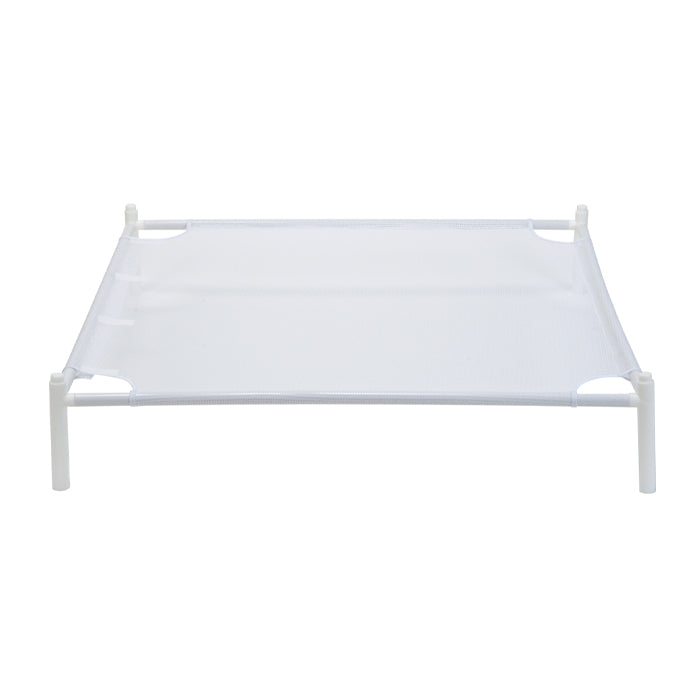
Stackable racks create separate drying layers that can be added or removed as requirements change. They are a practical option when you want individual trays, straightforward access and a modular footprint. Compare the tray dimensions, mesh size, frame construction and safe stacking guidance before deciding how many levels to use.
Hanging multi-tier drying racks
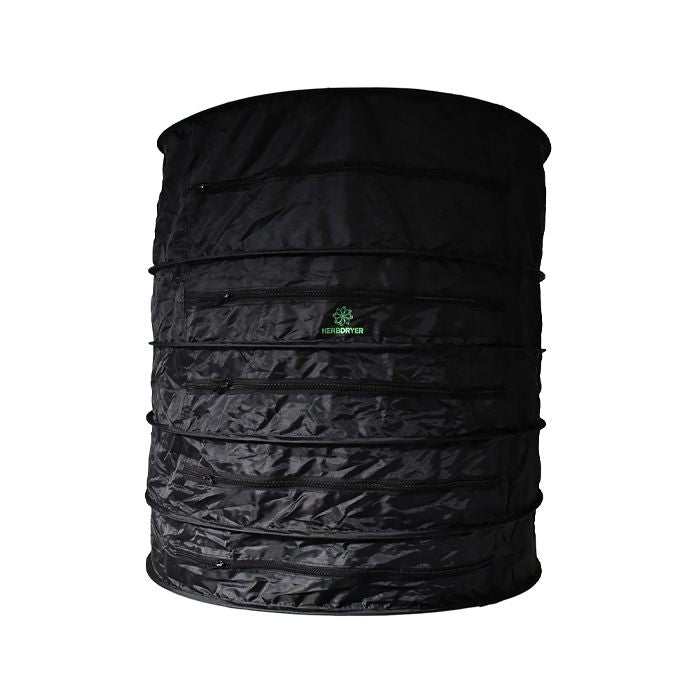
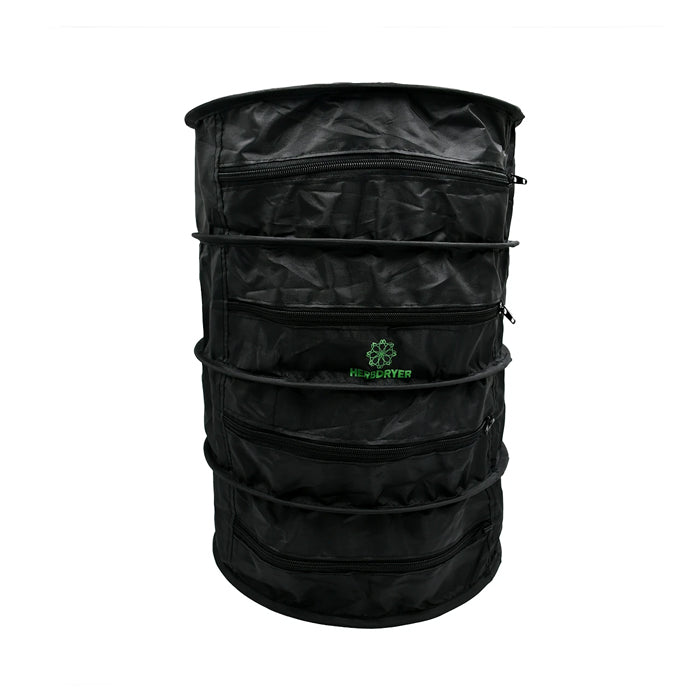
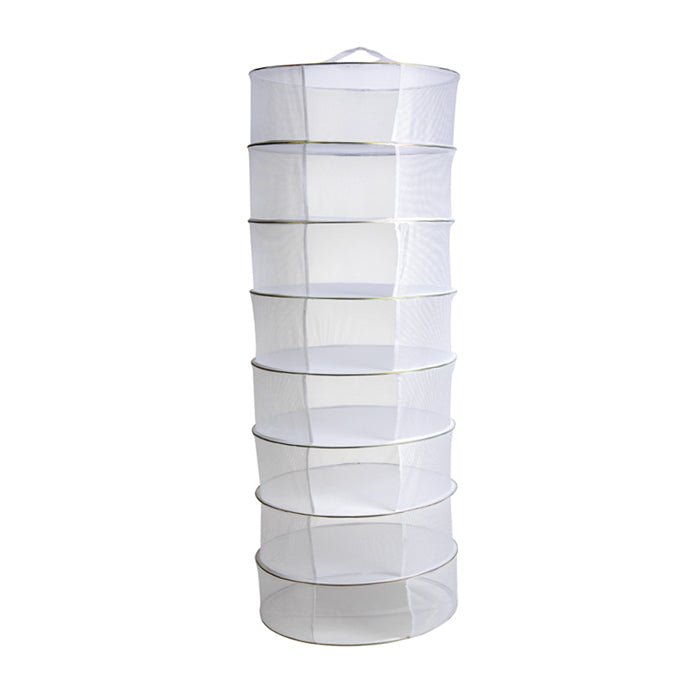
A hanging drying rack uses vertical space to provide several mesh levels in one unit. Six-tier and eight-tier designs can hold larger harvests without occupying shelving or floor space, provided there is a secure support point above. Check the overall height, tier diameter, rated load and clearance needed to access every level.
Trimming bags
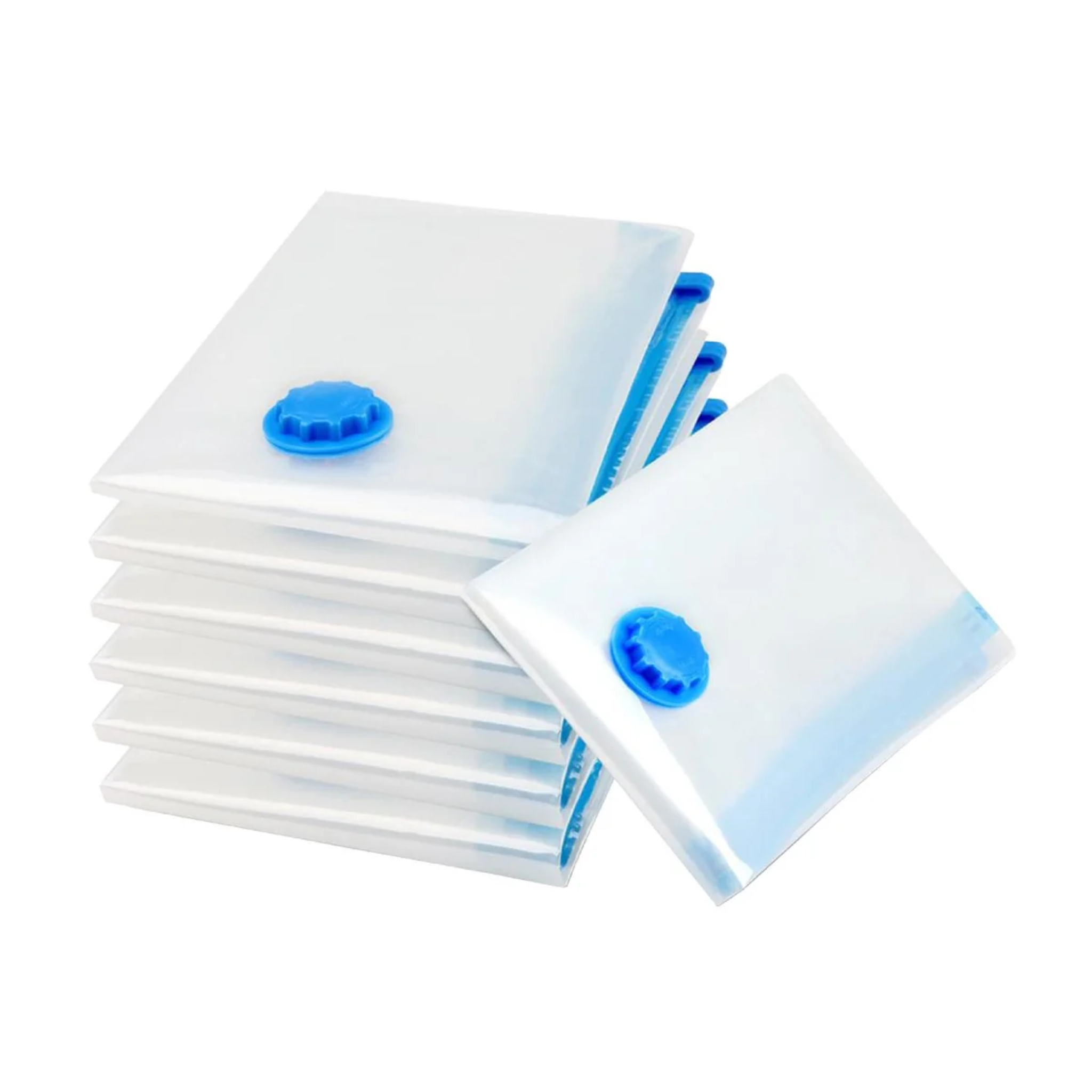
A trimming bag such as the Trim Buddy offers an enclosed, reusable way to separate loose plant material during suitable dry-trimming tasks. Follow the product instructions closely, work with an appropriate batch size and avoid forcing material that is too wet, too dry or otherwise unsuitable for the method.
Heat-seal pouches
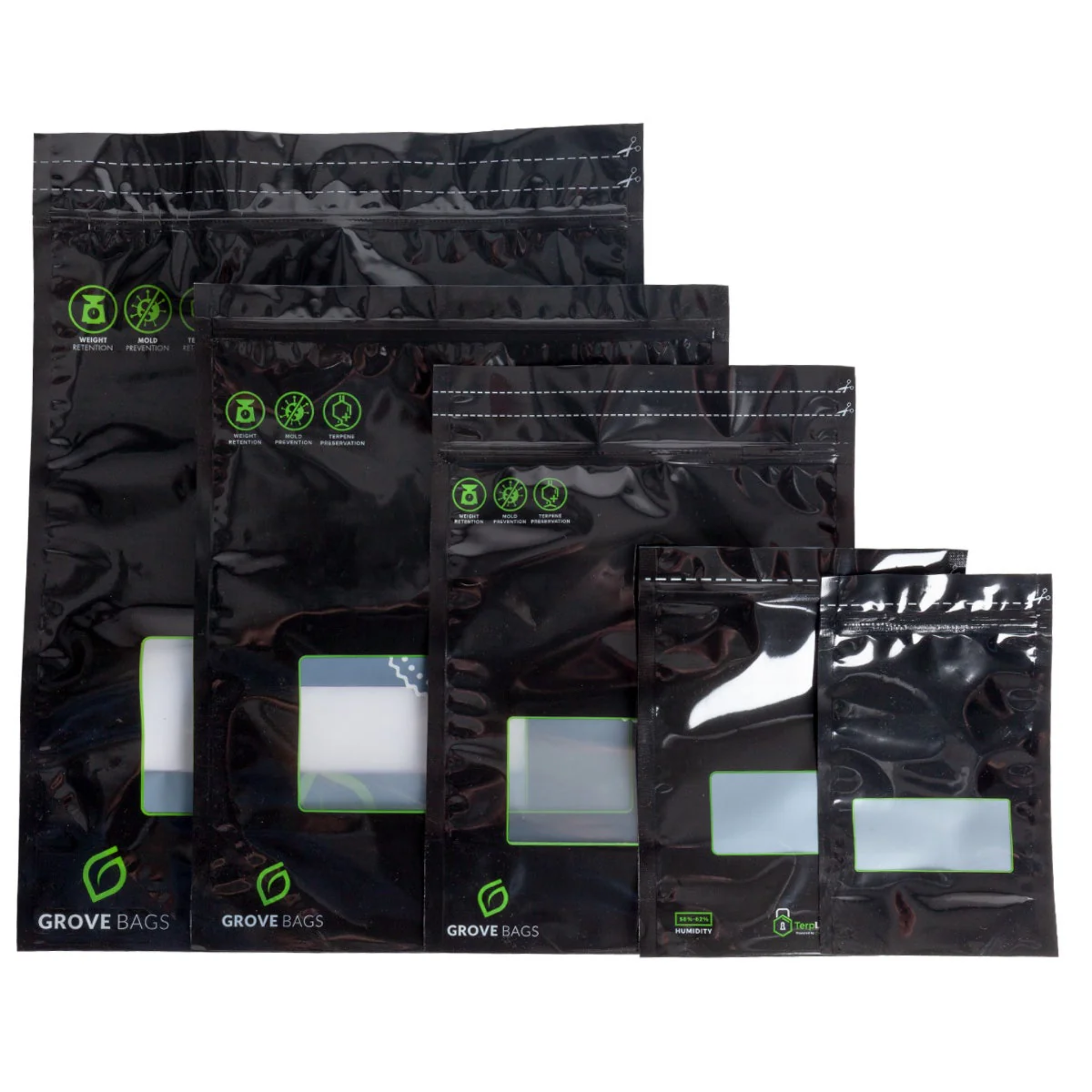
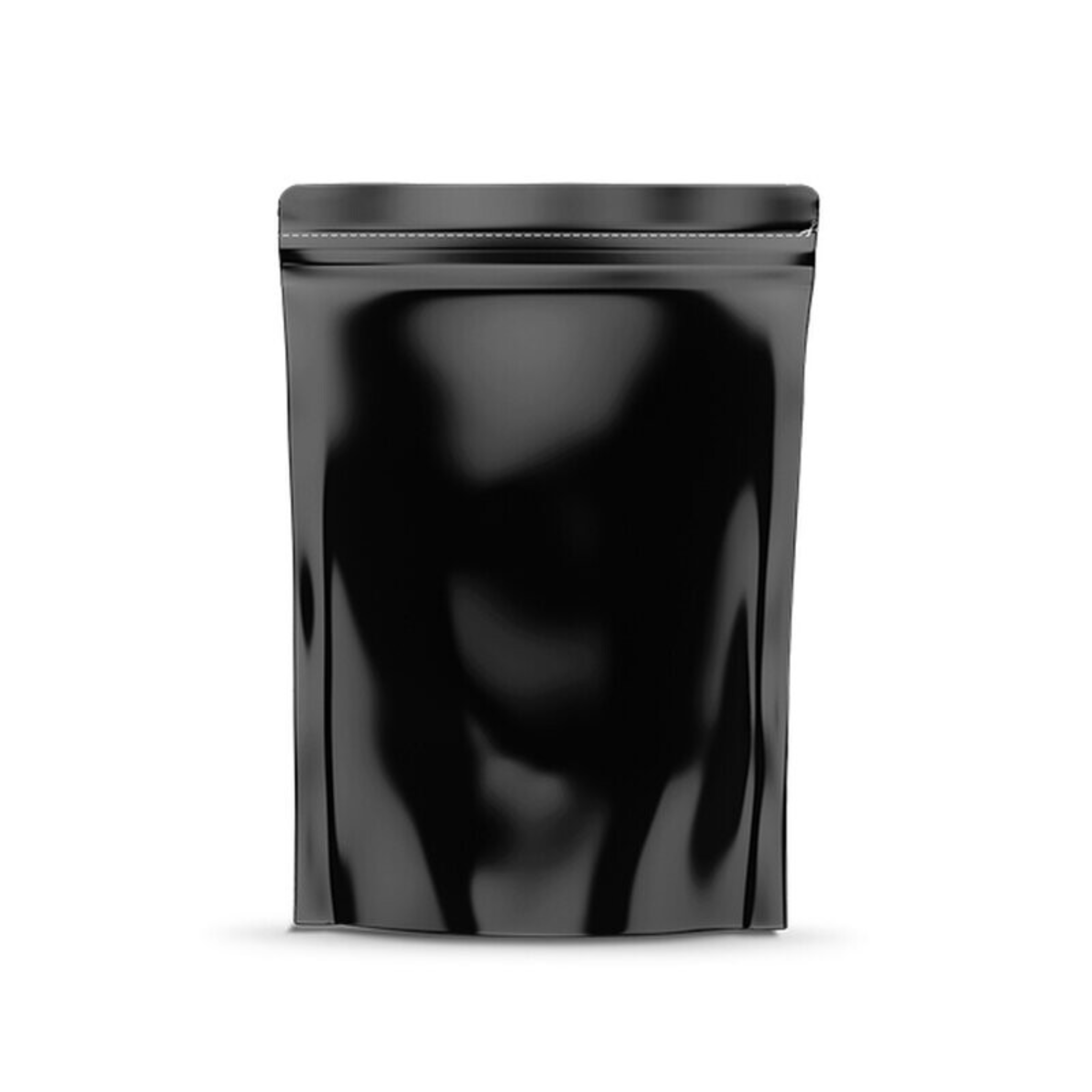
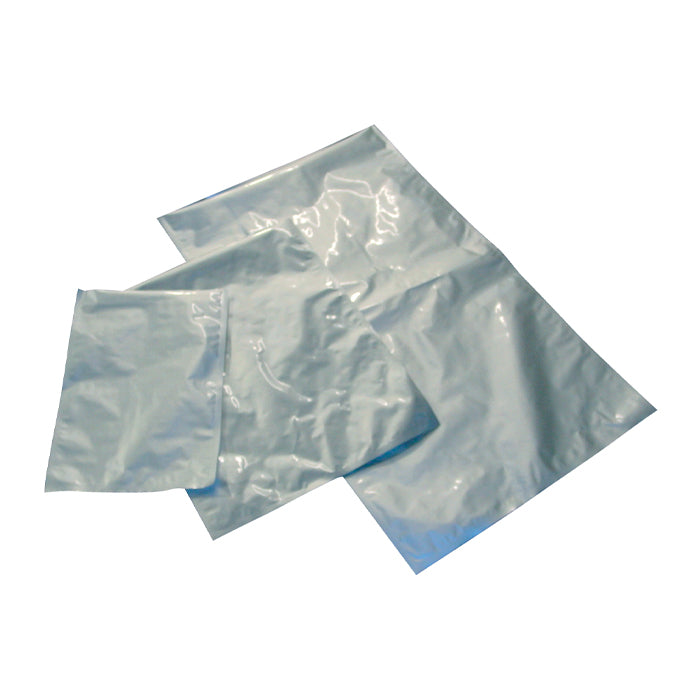
Heat-seal pouches can help divide and protect appropriately dried material after processing. Match the pouch size and barrier properties to the intended contents, confirm suitability with the packaging manufacturer and use a compatible sealer. Do not package plant material before it has reached the condition recommended for that crop.
How to choose drying racks and harvest accessories
- Harvest volume: allow enough surface area to spread material without piling or compressing it.
- Available space: compare floor-standing, stackable and hanging formats against the room dimensions.
- Air movement: select breathable surfaces and leave suitable clearance around every rack.
- Access: make sure each tray or tier can be loaded, checked and cleaned without disturbing the others.
- Capacity: stay within the manufacturer's maximum load and stacking or suspension guidance.
- Storage plan: prepare clean, suitable containers or pouches before the drying stage is complete.
Setting up an indoor drying area
Clean the room, racks and handling equipment before loading fresh material. Position racks away from dirty surfaces, damp walls and sources of heat. Hanging equipment must be attached to a support that can safely carry the combined weight of the rack and its contents.
- Distribute material evenly and avoid overloading trays or mesh tiers.
- Leave clearance around the rack so air can circulate through the room.
- Avoid harsh direct fan airflow that could dry exposed areas unevenly.
- Measure temperature and relative humidity with reliable monitoring equipment.
- Inspect the material and the room regularly for uneven drying or unwanted moisture.
- Follow crop-specific guidance for environmental conditions, handling and completion checks.
Gentle room circulation is generally more even than aiming a powerful fan directly at a loaded rack. Extraction, air circulation and climate equipment should be sized for the wider room and adjusted using measurements from the actual drying area.
Cleaning and storing drying equipment
Remove loose material after every use and clean racks, trays and accessories in accordance with the manufacturer's instructions. Let all surfaces dry fully before folding, stacking or placing them into storage. Moisture trapped in mesh, fabric or joints can create hygiene problems before the next harvest.
Inspect mesh for tears, frames for damage and hanging straps or fixings for wear. Replace any component that can no longer support its intended load. Store trimming bags and unused pouches in a clean, dry place away from sharp tools and direct heat.
Complete your harvest setup
Prepare plants with our pruners, scissors and cutting tools, then monitor the drying area with temperature and humidity equipment. Browse air circulation fans for suitable room movement, or return to the Grow Room Essentials hub for measuring, maintenance and plant-support equipment.
Why buy harvesting equipment from Holland Horticulture?
Established in 1996, Holland Horticulture supplies dependable equipment for indoor gardens, grow tents and hydroponic systems. Our harvesting range includes space-efficient drying racks and practical processing accessories, supported by experienced advice, UK delivery and Click & Collect.
Harvesting and drying equipment FAQs
Are stackable or hanging drying racks better?
Stackable racks provide removable individual trays and can be built up to suit the batch, while hanging racks make efficient use of vertical space. The better choice depends on the available floor area, safe support points, harvest volume and how often you need to access each level.
How many drying-rack tiers do I need?
Estimate the surface area required to arrange the expected harvest without crowding. A larger number of tiers increases capacity only when the rack remains within its rated load and there is enough room and airflow around every level.
Should a circulation fan point directly at a drying rack?
Strong direct airflow can produce uneven results across exposed and sheltered areas. Position circulation equipment to move air gently around the room and follow the drying guidance for the particular crop instead of directing a powerful stream onto the rack.
When should dried material be placed in a storage pouch?
Only package material once it has reached the condition recommended for that crop and intended use. Packaging too early may trap unwanted moisture. Confirm that the pouch and sealing method are suitable for the contents before use.