Measure plant nutrients and additives accurately with our range of hydroponic measuring and dosing equipment. Shop syringes, pipettes, graduated measuring jugs and measuring cups for preparing nutrient solutions in propagation areas, grow tents and larger indoor gardens.
Choose a tool that suits the quantity you need to measure: pipettes and syringes help with smaller doses, while graduated cups and jugs make larger volumes easier to prepare. Clear markings and consistent measuring help you follow the product manufacturer's instructions and repeat your mixing routine more reliably.
Accurate measuring and dosing for hydroponics
Hydroponic nutrients and additives are often concentrated, so small measuring differences can become significant when preparing a reservoir. Suitable dosing equipment makes it easier to follow the manufacturer's feed chart, calculate the required quantity for your water volume and add each product separately.
Always use the instructions supplied with the nutrient or additive rather than assuming that every product uses the same millilitres-per-litre rate. If you change the reservoir size, recalculate the complete dose before mixing.
Which measuring tool should you choose?
Syringes for controlled liquid dosing
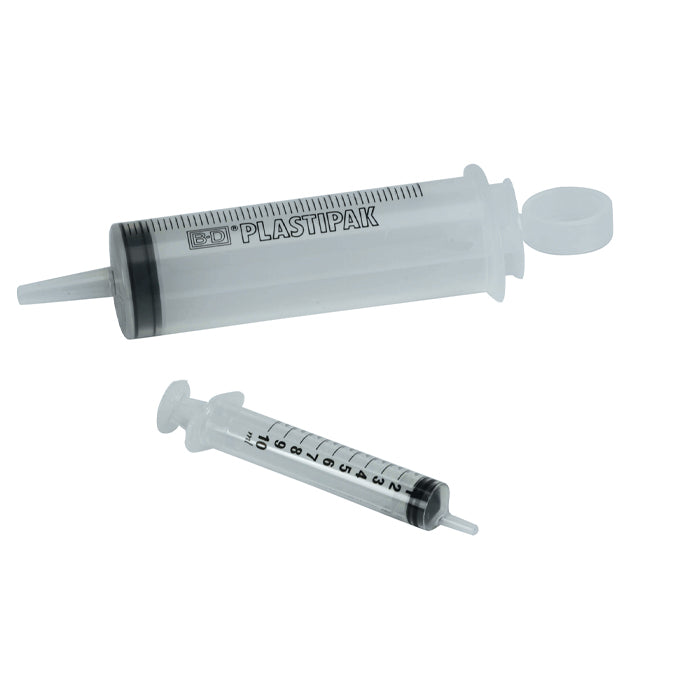
A graduated syringe is useful for drawing and dispensing relatively small quantities of liquid. Choose a capacity that keeps the intended dose comfortably within the printed scale, as repeatedly filling a very small syringe can introduce unnecessary variation. These products are intended as needle-free measuring tools for horticultural liquids.
Pipettes for small additions
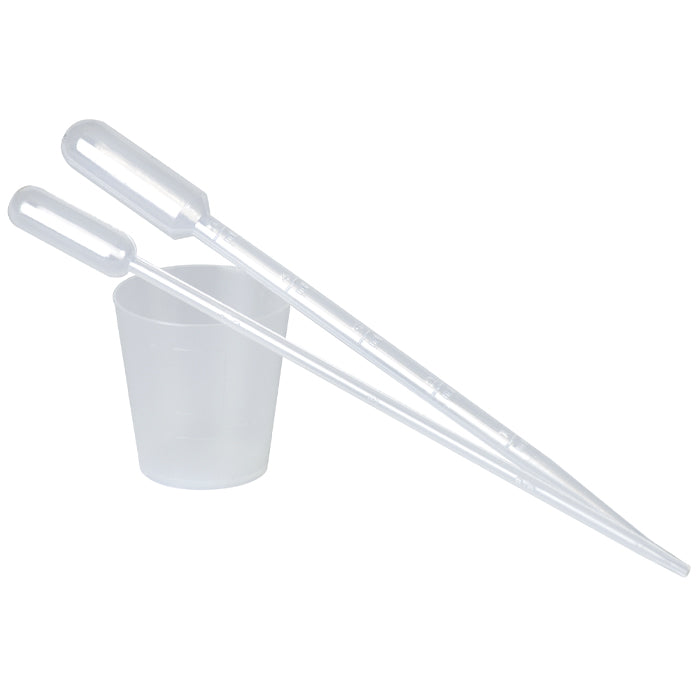
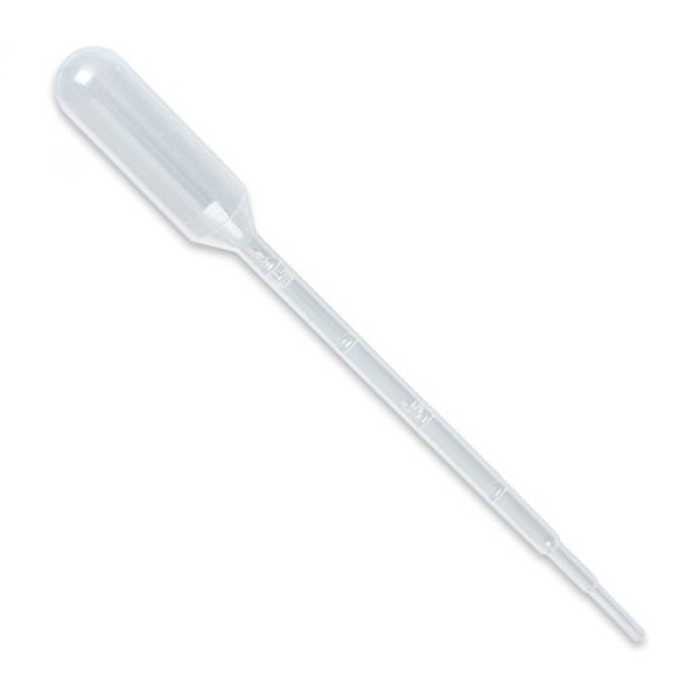
Pipettes suit small-volume additions where pouring directly from a bottle would be difficult to control. They can be particularly convenient for concentrated additives, test solutions and other products used in modest quantities. Check whether the pipette is graduated or intended only for transferring drops and small amounts.
Measuring jugs for larger volumes
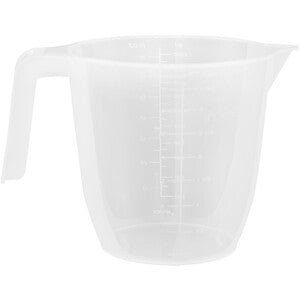
Graduated jugs provide greater capacity and a practical pouring spout for preparing larger nutrient tanks. A clear scale makes it easier to measure water or diluted products, while a stable base and comfortable handle help reduce spills during mixing.
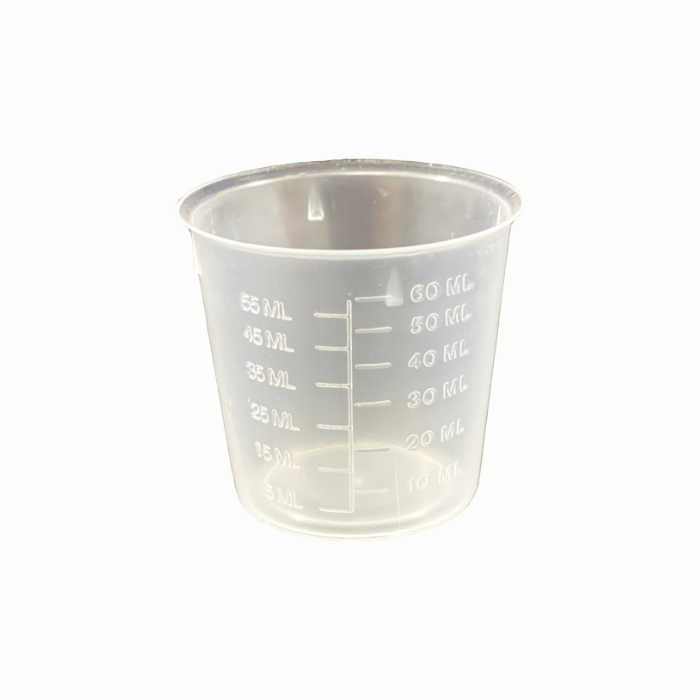
Measuring cups for everyday mixing
Compact measuring cups are convenient for medium-sized doses and general grow-room use. They take up little storage space and can bridge the gap between a small syringe and a larger jug. Select a cup with markings that are easy to read at the volumes you normally use.
How to choose measuring and dosing equipment
- Match the capacity to the dose: select a scale that makes your normal measurement easy to read.
- Check the graduations: smaller increments provide more control when working with concentrated liquids.
- Consider the container opening: a syringe or pipette can reach bottles that are awkward to pour from.
- Choose a suitable pouring format: use a stable jug or cup for larger quantities and reservoir work.
- Keep different products separate: dedicated tools can help prevent residues from being transferred between concentrates.
Using nutrient measuring tools correctly
Place jugs and cups on a level surface and read liquid graduations at eye level. Measure one product at a time, add it to the water and mix thoroughly before introducing the next component. Two-part base nutrients should not be combined together in concentrated form; add each part separately according to the manufacturer's directions.
- Check the feed schedule and calculate the dose before opening bottles.
- Use clean equipment with clear, undamaged measurement markings.
- Do not return surplus measured liquid to the original container.
- Rinse reusable equipment promptly and allow it to dry before storage.
- Wear any protective equipment specified on the product label.
- Store measuring tools away from food preparation and household utensils.
Replace equipment that becomes stained, cracked, difficult to clean or too worn to read accurately. Where a product has specific handling or disposal instructions, follow its label and safety information.
Complete your nutrient-mixing setup
Pair your measuring equipment with the appropriate hydroponic nutrients and additives, then use suitable pH and EC meters to check the finished solution where required. You can also return to our Grow Room Essentials hub for plant-support products, cutting tools, sprayers and other everyday equipment.
Why buy measuring and dosing equipment from Holland Horticulture?
Established in 1996, Holland Horticulture supplies practical hydroponic equipment for beginners, experienced indoor gardeners and commercial growers. Our measuring range covers simple everyday tools for small doses through to larger graduated jugs, supported by experienced advice, UK delivery and Click & Collect.
Measuring and dosing equipment FAQs
Should I use a syringe, pipette or measuring jug?
Use syringes and graduated pipettes for smaller doses and a cup or jug for larger quantities. The best option is the one whose scale allows the required amount to be measured clearly without repeated filling.
Can I use the same syringe for different nutrients?
It is better to keep separate, clearly identified tools for different concentrates where practical. This reduces the possibility of transferring residue from one container to another. Clean reusable equipment after every mixing session.
How do I calculate a nutrient dose?
Multiply the manufacturer's stated dose per litre by the number of litres of water being prepared. For example, a label rate of 2 ml per litre requires 20 ml for 10 litres of water. Follow the specific product instructions and do not exceed the recommended rate without appropriate guidance.
Should nutrients be mixed together before adding them to water?
Concentrated nutrients should generally be measured and added to the water separately, mixing between additions. This is especially important for two-part base nutrients. Always follow the mixing order and directions supplied by the manufacturer.